Archive for July, 2026

SFA to Convene Landmark Programme at UNCCD COP17 Mongolia

Posted by Katy Edwards

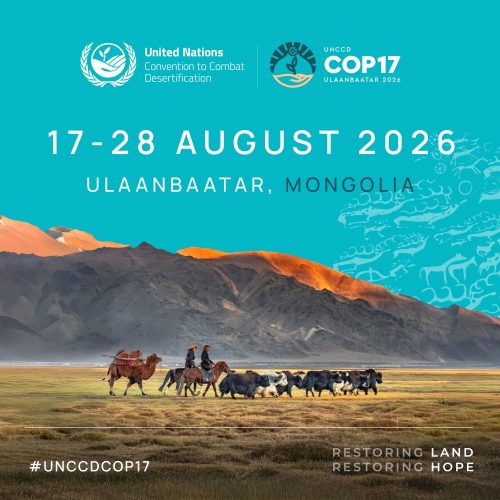
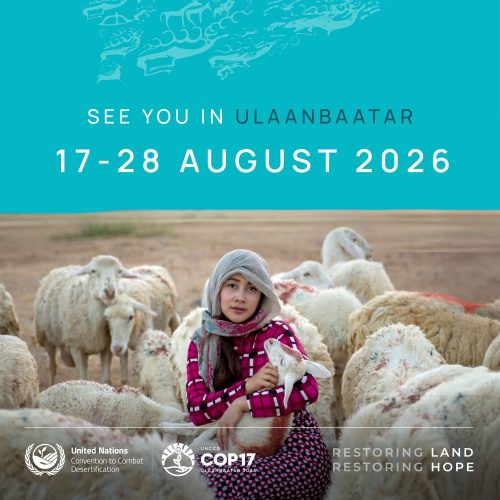
UNCCD COP17

17 – 28 August 2026

Ulaanbaatar, Mongolia

SFA to Convene Landmark Programme at UNCCD COP17 to Champion Sustainable Rangelands, Herder Livelihoods & Responsible Fibre Systems

Ulaanbaatar, Mongolia – This August, the Sustainable Fibre Alliance (SFA) will deliver our most ambitious international programme to date as part of the United Nations Convention to Combat Desertification (UNCCD) COP17 in Ulaanbaatar, Mongolia.

Bringing together herders, governments, brands, researchers, investors, policymakers and civil society organisations, our programme has been designed to demonstrate how sustainable rangeland management, responsible fibre production and community-led action can help address some of today’s most pressing global challenges, from land degradation and biodiversity loss to climate resilience and sustainable livelihoods.

Taking place during both UNCCD COP17 and the International Year of Rangelands and Pastoralists (IYRP 2026), the programme represents a unique opportunity to connect local experience with international policy, ensuring the voices of Mongolia’s fibre-producing communities and supply chains are reflected in discussions shaping the future of sustainable landscapes worldwide.

Article Contents

Why COP17 Matters

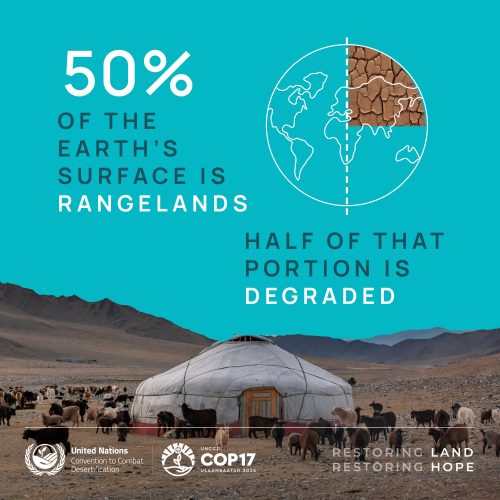
More than half of the Earth’s terrestrial surface is covered by grasslands, savannahs and rangelands. These landscapes support biodiversity, regulate climate systems, safeguard water resources and sustain the livelihoods of billions of people.

Yet despite their importance, rangelands remain significantly underrepresented in global environmental policy and investment.

As host of UNCCD COP17, Mongolia provides an exceptional setting to demonstrate how pastoral communities are responding to climate change and land degradation through practical, locally led solutions. Across its vast grasslands, generations of herders have developed deep, traditional knowledge and management practices that offer valuable insights into building resilient landscapes and sustainable production systems.

For us at the SFA, COP17 presents an opportunity not only to showcase Mongolia’s herding communities and supply chains – from fibre to finished product – but also to strengthen the connection between responsible sourcing, sustainable fibre systems and global efforts to restore land and improve livelihoods.

A Week of Dialogue, Learning & Action

Running throughout COP17’s second week, the SFA’s programme has been carefully designed to connect field experience with international dialogue, creating opportunities for participants to engage directly with the people, landscapes and partnerships driving sustainable change.

Working alongside a wide range of collaborators, including WWF, the Rangeland Stewardship Council (RSC)*, UNCCD and numerous international organisations, the programme brings together discussion on policy, finance, science and responsible business with the lived experience of pastoral communities.

Together, these events demonstrate how collaboration across sectors can accelerate action on sustainable rangeland management while supporting resilient livelihoods and responsible global supply chains.

Connecting Local Solutions with Global Action

Our programme of activities begins with a mid-COP17 field trip and conference, titled Landscapes of Life: A Nature-Positive Agenda to Protect, Manage and Restore Grasslands, Savannahs and Rangelands, taking place on 22-23 August in Gorkhi-Terelj National Park.

Developed in partnership with WWF and an international coalition of organisations, this invitation-only event is designed to bridge local experience with global dialogue by bringing delegates out of the city and conference venue and into Mongolia’s iconic rangelands.

Participants will hear directly from herders, community leaders, restoration practitioners and technical experts working on the frontline of land restoration, while exploring practical examples of community-led approaches to combating desertification, restoring degraded landscapes and strengthening climate resilience.

Alongside field visits and cultural experiences, the programme will feature high-level discussions focused on protecting, managing and restoring grassland, savannahs and rangelands, helping shape recommendations that will feed into COP17 and beyond.

Celebrating Leadership Through the SFA Herder Sustainability Awards

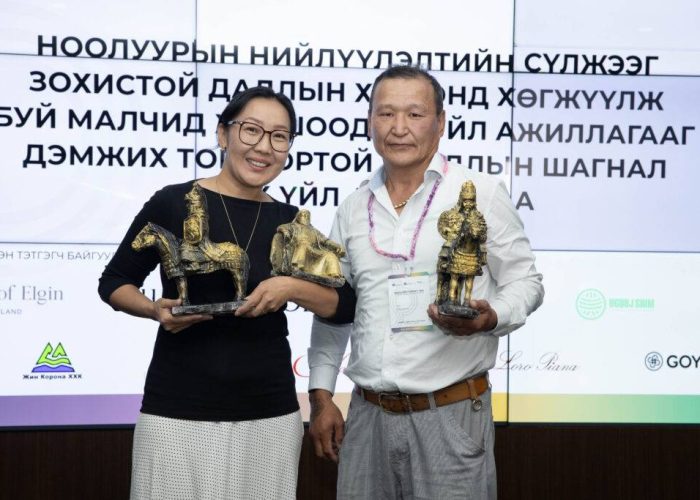
A highlight of the mid-COP17 programme will be the SFA Herder Sustainability Awards, which usually take place during our annual SFA Mongolia Conference.

Now firmly established as one of the SFA’s flagship initiatives, the awards celebrate outstanding herders and producer organisations demonstrating leadership in sustainable land management, animal welfare, fibre quality, community development and cooperative leadership.

By recognising these achievements within the wider COP17 programme, the awards provide an international platform to celebrate the people whose knowledge, innovation and commitment underpin sustainable cashmere and natural fibre production.

Importantly, the awards are only possible through the support of brands, manufacturers and organisations across the fibre sector. Through their continued commitment, award supporters help ensure that herder achievements are recognised on a global stage while inspiring best practice throughout international fibre value chains.

Fashion4Land: Exploring the Future of Fashion & Land Restoration

On 24 August, the SFA will co-host the Fashion4Land Forum, an official UNCCD COP17 event held within the Blue Zone under the Business4Land platform.

The forum will bring together fashion brands, policymakers, designers, sustainability experts and innovators to explore how regenerative fashion systems can contribute to land restoration, biodiversity conservation and resilient livelihoods.

Across three interactive sessions, participants will explore:

  • Designing Tomorrow: Youth Innovation in Sustainable Fashion
  • Wool at the Crossroads: Rediscovering a Natural Fibre in a Synthetic Age
  • Navigating Fashion Standards: Policy Dialogue on Sustainable Regulations

Together, these discussions will examine the growing role of natural fibres within sustainable fashion, the opportunities presented by regenerative value chains and the importance of greater alignment across international sustainability standards and policies.

By bringing together creative industries, supply chain leaders and policymakers, Fashion4Land aims to move beyond conservation and inspire practical collaboration capable of delivering lasting environmental and social impact.

Strengthening Resilient Cashmere Supply Chains Through Partnership

Alongside these events, the SFA is also proud to be a collaborative partner of the Resilient Threads Project, working alongside LVMH, Loro Piana, the Odyssey Conservation Trust (OCT) and UNCCD to demonstrate how public-private partnerships can strengthen sustainable cashmere production while supporting healthier rangelands, healthier animals and more resilient communities.

As part of COP17, the partnership will contribute to the official side-event Resilient Threads: How to Strengthen Cashmere Supply Chains Through Public-Private Partnerships and the Operationalisation of One Health, highlighting how collaborative approaches can help address the interconnected challenges of land degradation, biodiversity loss, climate change and livelihoods through the practical application of One Health principles.

Drawing on experiences from Mongolia’s Eastern Steppe, the discussion will explore how partnerships between governments, communities, civil society and the private sector can create scalable models for sustainable land management and resilient cashmere supply chains, while demonstrating the importance of integrating environmental, animal and human health into future land restoration efforts.

Driving International Dialogue Through Official COP17 Side Events

The SFA and the Rangeland Stewardship Council (RSC)* are also proud to have secured three official UNCCD COP17 side-events, each addressing a critical aspect of sustainable rangeland management and demonstrating how collaboration across policy, science and markets can accelerate positive change.

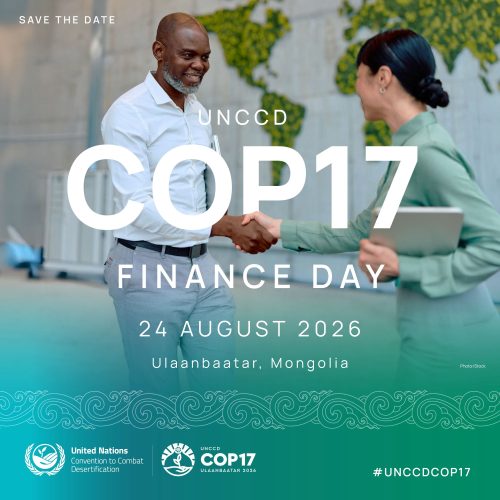
During Finance Day (24 August), the SFA and partners will convene Financing Land Restoration at Scale: Business for Land and Investment Pathways for Rangelands, exploring how public and private finance can work together to unlock investment in sustainable rangelands. Discussions will examine funding mechanisms, science-based monitoring systems and the Global Rangeland Fund in scaling land restoration and supporting resilient pastoral communities.

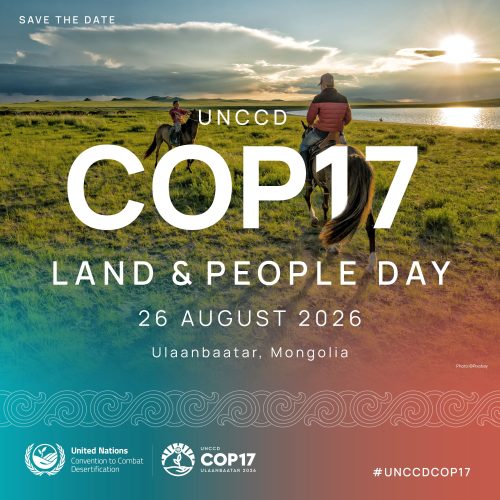
On Land & People Day (26 August), the RSC will hold the High-Level Launch of the RSC Standard (Foundation Standard) session. Bringing together governments, technical experts, pastoral representatives and private sector leaders, the event will introduce a globally relevant framework designed to support sustainable rangeland stewardship and build momentum for implementation across diverse landscapes.

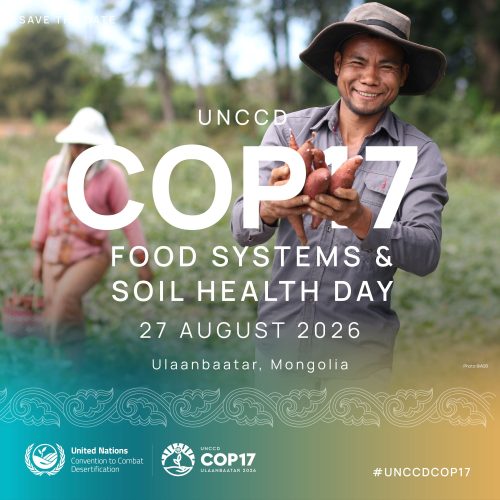
The programme concludes on Food Systems & Soil Health Day (27 August) with Value Addition for Sustainable Commodities: Linking Soil Health, Rangelands and Global Markets. This session will explore how healthy soils, voluntary sustainability systems and responsible markets can strengthen global commodity value chains while recognising the essential role of ecosystem services in sustainable production.

Together, these discussions demonstrate how effective collaboration between government, business, producers and civil society can help create resilient landscapes, strengthen livelihoods and build more sustainable global fibre systems.

Bringing Together Policy, Finance & Practice

Across every event, one consistent theme emerges: meaningful progress can only be achieved through collaboration.

Whether exploring innovative finance mechanisms, launching new international standards, celebrating herder leadership or bringing together the fashion sector with policymakers, the SFA’s COP17 programme demonstrates the value of partnerships that bridge local knowledge with global ambition.

By creating spaces where governments, brands, researchers, investors, civil society organisations and herders can work together, the programme aims to accelerate practical solutions that benefit landscapes, biodiversity, climate resilience and rural livelihoods alike.

Join the Conversation

UNCCD COP17 represents a defining moment for sustainable land management and responsible fibre systems.

Throughout the programme, we welcome SFA Members, partners and stakeholders from across the world to contribute to these important discussions, whether by participating in events, supporting the Herder Sustainability Awards, collaborating through partnership opportunities or engaging in dialogue that helps shape future policy and practice.

As a membership organisation, many of these activities are only possible through the continued support and engagement of our SFA Members and partners. Together, we can ensure that the experiences of herders, the importance of sustainable rangelands and the value of responsible natural fibre systems remain central to global conversations on climate resilience, biodiversity conservation and land restoration.

We look forward to welcoming the international community to Mongolia this August and to working together to help shape a more resilient future for people, landscapes and sustainable fibre systems.

For further information about any of the events listed above, including participation opportunities, please contact the SFA team at marketing@sustainablefibre.org to join the conversation.

SFA Programme at a Glance

Below is an overview of the SFA’s programme and activities during UNCCD COP17:

22-23 August (Mid-COP17)
Gorkhi-Terelj National Park
Landscapes of Life: A Nature-Positive Global Agenda to Protect, Manage and Restore Grasslands, Savannahs and Rangelands

22 August (Mid-COP17)
Gorkhi-Terelj National Park
SFA Herder Sustainability Awards 2026 Ceremony

24 August (Finance Day), 10:30-12:00
Blue Zone, MET-03
Financing Land Restoration at Scale: Business for Land and Investment Pathways for Rangelands

24 August (Finance Day), 13:00-14:30
Blue Zone, MET-06
Resilient Threads: How to Strengthen Cashmere Supply Chains Through Public-Private Partnership and the Operationalisation of One Health

24 August (Finance Day), 15:00-19:30
Blue Zone, MET-23 & Action Dome
Fashion4Land Forum

26 August (Land & People Day), 10:30-12:00
Blue Zone, MET-03
High-Level Launch of the RSC Standard (Foundation Standard)

27 August (Food Systems & Soil Health Day), 08:30-10:00
Blue Zone, MET-05
Value Addition for Sustainable Commodities: Linking Soil Health, Rangelands and Global Markets

Katy Edwards

SFA MARKETING & COMMUNICATIONS MANAGER

17 July 2026

*The RSC operates through international collaboration with partners including the United Nations Convention to Combat Desertification (UNCCD), the Sustainable Fibre Alliance (SFA), Landscape Alliance (ICRAF), Natural Fibre Connect (NFC), and the Global Environment Facility (GEF)-funded STELARR project, implemented by IUCN and executed by the International Livestock Research Institute (ILRI) and partners, with additional support from the European Commission.

Shaping the Future of the SFA Standards System | Stakeholder Consultations Now Underway

Posted by Katy Edwards

The Sustainable Fibre Alliance (SFA) has launched the next phase in the ongoing development of our Standards System, with several important reviews now underway that will help shape the future of responsible animal fibre production.

As sustainability expectations continue to evolve across global supply chains, regular review of the SFA Standards System ensures that our requirements remain practical, credible and aligned with international best practice, while continuing to support producers, processors, brands and retailers in delivering positive outcomes for people, animals and the environment.

Throughout 2026, the SFA is undertaking reviews across several key areas of its Standards System, including the SFA Assurance & Certification Manual (ACM), the SFA Clean Fibre Processing Standard (CFPS), and the continued development of multi-species certification through the SFA Animal Fibre Standard (AFS).

Each review is being delivered through the SFA’s transparent, multi-stakeholder standards development process, with consultation playing a central role in ensuring that a wide range of perspectives help shape the future direction of the Standards System.

A Commitment to Continuous Improvement

The SFA Standards System has evolved significantly over the past decade since the organisation was established, growing from its original Codes of Practice into a comprehensive suite of internationally recognised standards covering cashmere production, primary processing, chain of custody and assurance.

Maintaining the credibility of this system requires continual review and improvement. Through regular stakeholder consultation, the SFA seeks to ensure its standards remain fit for purpose, reflect emerging sustainability priorities and continue to support responsible production across increasingly complex global supply chains.

As an organisation committed to internationally recognised good practice, the SFA aligns our standards development process with the ISEAL Code of Good Practice for Sustainability Systems. The code recognises that sustainability standards should be reviewed on a regular cycle to ensure they remain relevant, credible and responsive to changing environmental, social and market expectations. These reviews form part of the SFA’s ongoing commitment to maintaining a robust and trusted Standards System.

Our approach is founded in inclusivity and collaboration. We encourage participation from producers, processors, brands, Conformity Assessment Bodies (CABs), civil society organisations, researchers and all other interested stakeholders to help strengthen the future of the Standards System.

Review of the Assurance & Certification Manual

The SFA has now commenced a comprehensive review of our Assurance & Certification Manual (ACM).

The ACM defines the rules that SFA-approved Conformity Assessment Bodies (CABs) must follow when delivering assurance and certification services across the SFA Standards System. By providing a clear and consistent framework for certification, the ACM helps ensure that claims relating to SFA-Certified fibre remain robust, transparent and trusted throughout the supply chain.

The current version of the ACM was updated during the review of the SFA Animal Fibre Standard, which concluded in 2025. Since then, the publication of Derogation D1 in January 2026 has temporarily modified several certification requirements while allowing the updated Animal Fibre Standard to be implemented in practice.

This review will evaluate whether those temporary measures should become permanent, identify opportunities to improve existing certification requirements, and consider any additional changes required as other standards within the SFA system continue to evolve.

To support this process, we have published a Statement of Intent, outlining the scope of the review, the proposed development process and the key areas under consideration.

Stakeholders are invited to provide feedback on the Statement of Intent through the SFA Open Consultation Portal until 24 July 2026.

Following this initial consultation, a draft revised Assurance & Certification Manual will be developed and released for a 60-day public consultation later in 2026. Particular emphasis will be placed on engaging Conformity Assessment Bodies (CABs) to ensure that any revised requirements remain practical, effective and credible in real-world implementation. The SFA will also continue working to overcome language barriers and encourage participation from stakeholders who have traditionally been underrepresented within standards development.

Review of the Clean Fibre Processing Standard

Alongside the Assurance & Certification Manual review, the SFA is continuing the scheduled review of our Clean Fibre Processing Standard (CFPS).

Originally published in 2019 and reviewed in 2021, the CFPS establishes environmental, social and operational requirements for initial industrial processing of cashmere fibre, helping minimise environmental impacts while promoting responsible workplace practices.

As industry expectations continue to evolve, the current review aims to strengthen the standard while ensuring it remains practical and accessible for organisations of different sizes and levels of complexity.

Several key areas are being explored throughout the review, including:

  • Expanding the standard to include selected additional animal fibre species.
  • Extending certification to cover additional secondary processing activities.
  • Introducing enhanced due diligence and internal audit requirements to strengthen governance and management systems.
  • Continuing to improve environmental performance across processing facilities.
  • Ensuring that new requirements remain proportionate and inclusive, allowing organisations at different stages of maturity to participate within the SFA Standards System.

An updated Statement of Intent has now been published, with stakeholders invited to submit comments as part of the current consultation process.

The SFA is also inviting experts and stakeholders to participate in dedicated working groups, providing opportunities for early collaboration during the development of the revised standard. Please contact standards@sustainablefibre.org if interested in participating in these working groups.

Expanding Towards Multi-Species Certification

The SFA is also progressing work to expand the scope of its Standards System beyond cashmere.

Following research and stakeholder engagement undertaken over recent years, development is now underway to incorporate selected camelid species and yak into relevant SFA Standards, beginning with the Animal Fibre Standard (AFS).

Many pastoral communities manage mixed-species herds, yet existing certification systems have historically focused on individual fibre types. Expanding the SFA Standards System will enable producers managing these systems to access certification across a broader range of fibres while maintaining consistent expectations for responsible production.

The work builds upon the original Statement of Intent published in 2025 and represents an important step towards creating a more inclusive Standards System capable of supporting responsible animal fibre production across diverse pastoral landscapes.

The first phase of this work, expanding the SFA Animal Fibre Standard, is expected to conclude by the end of 2027.

Help Shape the Future of the SFA Standards System

The strength of the SFA Standards System depends upon meaningful collaboration.

By participating in consultation, joining working groups and sharing practical experience, stakeholders play an important role in ensuring that our standards remain credible, practical and capable of delivering positive outcomes across global supply chains.

We welcome feedback from all interested stakeholders throughout these review processes and encourage participation regardless of organisation size, geographic location or previous involvement with the SFA programme.

Together, we can continue building a Standards System that supports responsible animal fibre production, resilient livelihoods and healthy rangelands for generations to come.

Current Opportunities to Get Involved

Katy Edwards

SFA MARKETING & COMMUNICATIONS MANAGER

2 July 2026