From the Steppes of Khentii: Mr Tangad's Journey Towards Stronger Cooperatives and Healthier Rangelands
“Being part of the cooperative has helped me realise just how powerful working together can be.”
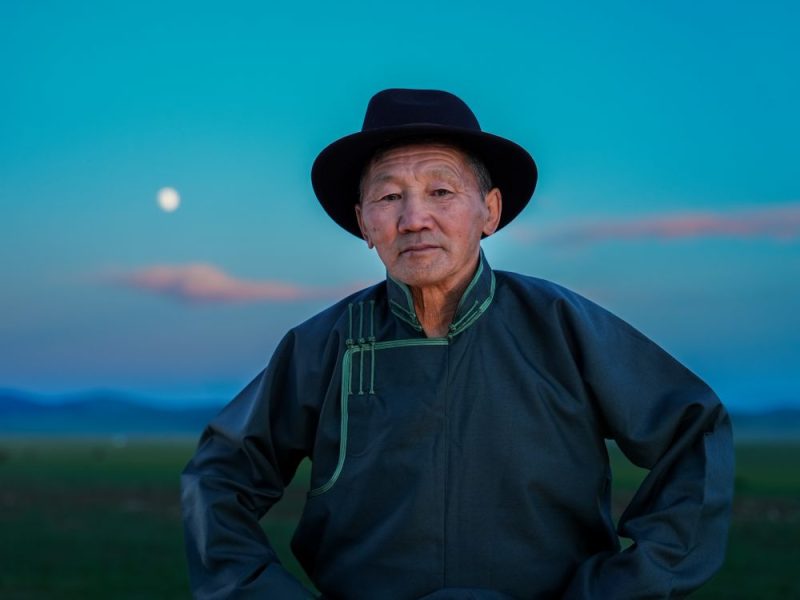
As the world celebrates the International Year of Rangelands and Pastoralists (IYRP) 2026, attention turns to the people who have cared for grasslands for generations. Across Mongolia’s vast steppe, pastoralist families are more than livestock keepers – they are custodians of landscapes, biodiversity and a way of life that has evolved alongside nature for centuries.
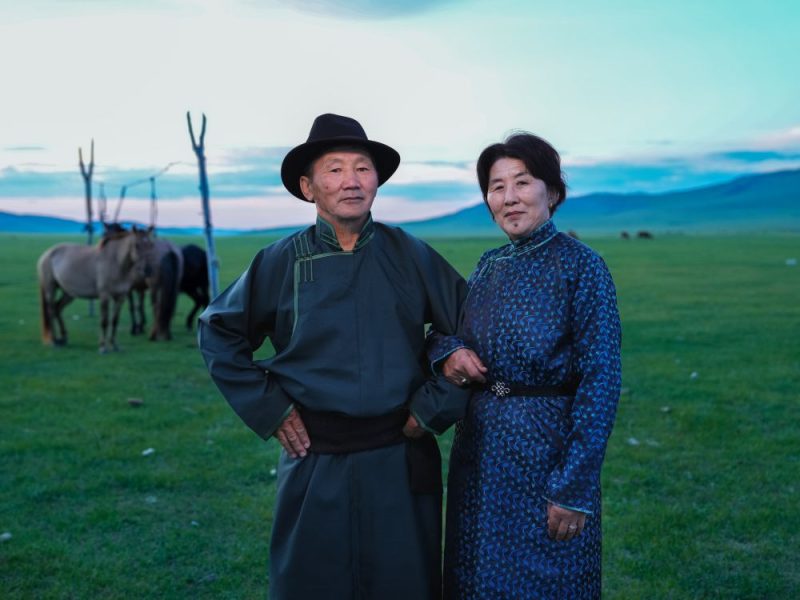
One of those pastoralists is Mr Tangad Damban, a herder from Mongolia’s Khentii Province and a member of the Ömniin Delger Süreg Cooperative. Together with his wife, he cares for goats, sheep, cattle and horses on the open rangelands that have supported their family for generations. Their livelihood depends on healthy pastures, healthy animals and high-quality cashmere.
For the Sustainable Fibre Alliance (SFA), stories like Mr Tangad’s illustrate how strengthening pastoral communities goes hand in hand with protecting Mongolia’s rangelands. Through responsible cashmere production, practical training and strong producer cooperatives, herders are building more resilient livelihoods while caring for the landscapes on which they depend.
A Changing Cashmere Market
When Mr Tangad first began producing cashmere, selling it was often one of the hardest parts of the year. “Before I joined the cooperative, selling our cashmere was quite difficult. We often faced challenges when it came to finding buyers and getting paid.”
In those days, reaching the market required significant time and effort. “We had to take our cashmere to the city or local markets ourselves. That was really difficult.”
Later, traders began travelling directly to the soum to buy cashmere from herders. Although that made selling easier, it still offered little certainty.
Today, Mr Tangad chooses a different path. “Compared to those days, things are much easier now. We simply deliver our cashmere to the cooperative and receive payment straight away. If we need it, we can even receive an advance payment. There were also times when cashmere traders would come to our soum to buy directly from herders. They still do occasionally. But these days, I sell all of my cashmere through the cooperative.”
Reliable market access and prompt payment provide more than convenience – they offer greater confidence for pastoral households planning for the year ahead.
Choosing Cooperation
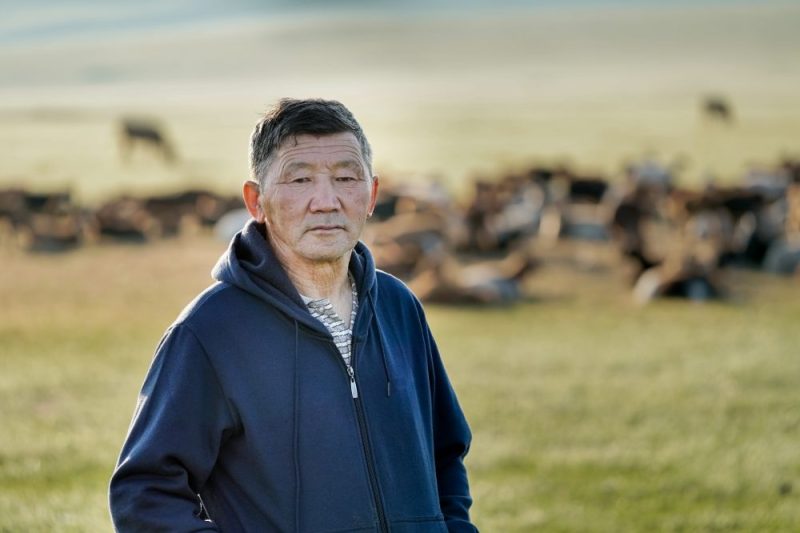
Mr Tangad’s faith in cooperatives was not immediate. Back in 2010, he joined another cooperative that never became fully operational. “The cooperative chairperson was also a herder, so I think it must have been difficult for them to manage both their livestock and the cooperative at the same time. In the end, it just came to a halt.”
Like many herders, he quietly accepted the disappointment. “I had paid my membership fee, but after that, nothing ever came of it.”
Years later, when the Ömniin Delger Süreg Cooperative was established, he made a conscious decision to try again. “No one pressured me into joining – I decided to become a member on my own.”
That decision has changed the way he views his work. “Being part of the cooperative has helped me realise just how powerful working together can be. Instead of working on our own, we can achieve much more when we work collectively. It’s more productive, more efficient, and things get done much faster.”
This year, Mr Tangad’s herd of around 300 goats produced just over 90 kilograms of cashmere, demonstrating the important contribution pastoral households make to Mongolia’s internationally recognised cashmere sector.
Every Fibre Matters
For pastoralists, producing quality cashmere begins long before the fibre reaches a processing facility. Mr Tangad’s goats produce cashmere in three natural colours – reddish-brown, black and white. Through training provided through the cooperative, he learned that sorting each colour separately and storing the fibre correctly helps maintain quality throughout the supply chain.
“Previously, we packed our cashmere into polypropylene feed sacks, but we learned that this wasn’t the correct method.” Today, his household uses specially designed reusable collection bags supplied through the cooperative. “For the past two years, we’ve been using the designated bags provided by the cooperative. Each bag holds around 60 kilograms of cashmere and is made from fabric, with printed identification information and a QR code for traceability.”
These improvements may seem simple, but they play an important role in protecting fibre quality, reducing contamination and strengthening traceability from herder to international market.
Learning Together
Training has become one of the most valuable benefits of cooperative membership. For Mr Tangad, the greatest lesson has been recognising that even experienced herders can continue learning. “Attending the training sessions has been very worthwhile. They made us realise that we had fallen behind in many areas.”
He believes learning should never stop. “From now on, I believe it’s important to continue participating in these training sessions whenever possible.”
But perhaps his most important observation is about who should attend. “If we have the opportunity, it’s even better if the whole family can attend. When only one person goes, it’s difficult to come home and explain everything completely to everyone else.”
Pastoralism is a family livelihood. Decisions about livestock, grazing, fibre preparation and household management are shared across generations. When everyone learns together, new knowledge becomes part of everyday practice.
Caring for Mongolia's Rangelands
The International Year of Rangelands and Pastoralists celebrates the knowledge pastoralists have developed over generations to care for some of the world’s most fragile ecosystems.
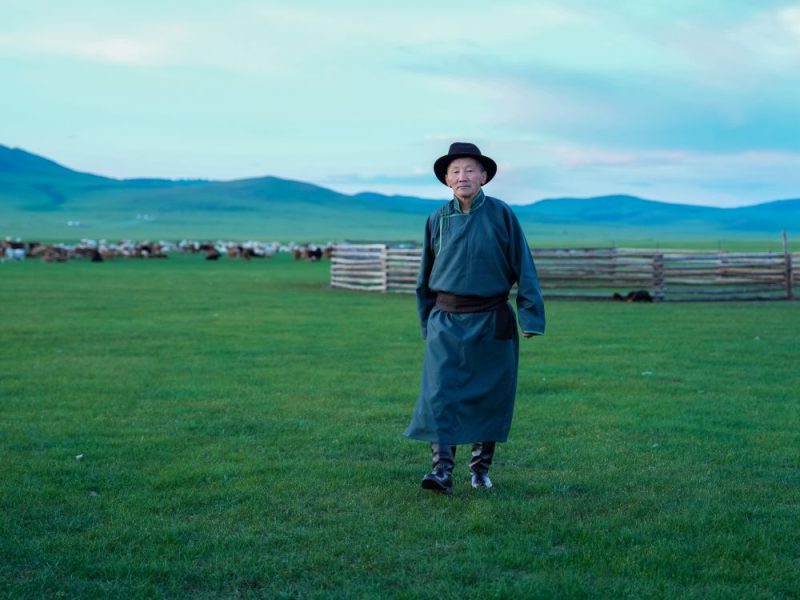
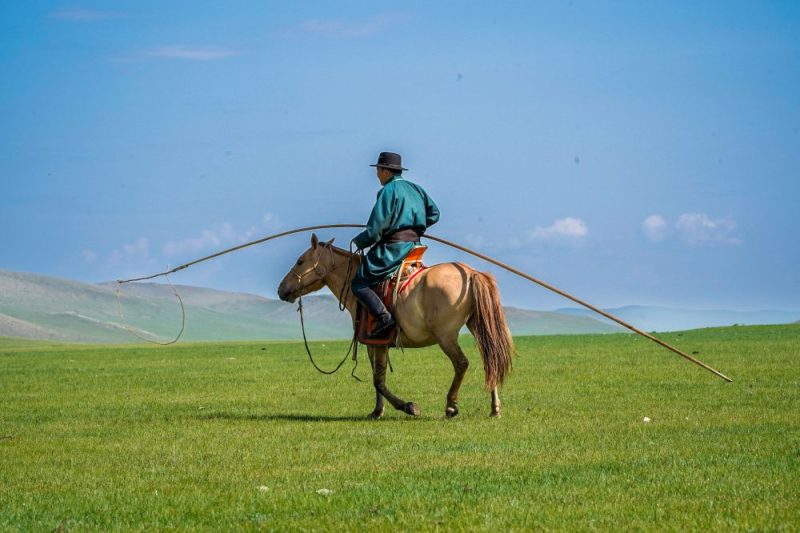
For Mr Tangad, responsible grazing begins with respecting the rhythm of the seasons. “When it comes to pasture management, I believe it’s important to leave our winter and spring camps at the right time and continue practising seasonal migration. Staying in one place for too long isn’t good for the pasture.”
Although seasonal movement remains central to his family’s way of life, he has witnessed significant changes over the years. “Nowadays, however, we don’t travel as far as we used to. At present, we move our camp only three or four times a year.”
Then he smiles as he remembers his younger days. “When I was younger, we sometimes moved as many as ten times in a single month. We had much more energy back then. We’d set off before dawn, and before our neighbours had even woken up, we’d already reached our new campsite and finished setting up our ger.”
His memories capture both the endurance of Mongolia’s pastoral traditions and the changing realities facing herding families as they adapt to new environmental and economic challenges.
Celebrating Pastoralists
The International Year of Rangelands and Pastoralists is a reminder that pastoralists are not only producers of food and fibre. They are stewards of landscapes, custodians of traditional knowledge and essential partners in building resilient rural communities.
Mr Tangad’s story shows that sustainable development begins with people. When pastoralists have access to strong cooperatives, practical training and responsible markets, they are better equipped to care for their animals, improve the quality of their fibre and protect the rangelands that sustain future generations.
For the SFA, supporting pastoralists means recognising that sustainable cashmere starts long before a garment reaches the consumer. It begins on Mongolia’s grasslands, where families like Mr Tangad’s continue to demonstrate that cooperation, knowledge and stewardship are the foundations of resilient livelihoods and healthy rangelands.

Tamir Bud
SFA COMMUNICATIONS OFFICER
30 July 2026