Archive for 2026

SFA Fibre Processing Standard v2.0 Public Consultation is Now Open

Posted by Katy Edwards

Public consultation on the draft SFA Fibre Processing Standard v2.0 is now open, and the Sustainable Fibre Alliance (SFA) is inviting all stakeholders from across the natural fibre sector to review the proposed Standard and share their feedback.

Originally published in 2021 as the SFA Clean Fibre Processing Standard, the Standard established requirements for the primary processing of cashmere fibre. Following stakeholder consultation and review, a number of developments are now being proposed to strengthen and broaden its scope, reflected in its proposed new title – SFA Fibre Processing Standard.

The consultation is open until
6 November 2026

Have Your Say: Public Consultation Open Until 6 November

Stakeholder participation is fundamental to developing credible, practical and inclusive SFA Standards.

We invite SFA Members, Conformity Assessment Bodies (CABs), producers, processors, brands, retailers, academics, civil society organisations, and other interested stakeholders to review the draft Standard and share their feedback using our online consultation form.

The draft SFA Fibre Processing Standard v2.0 and a downloadable copy of the consultation questions are available in English, Chinese and Mongolian, enabling stakeholders to review the materials in advance before submitting their feedback online:

The English version of the draft Standard is authoritative and will prevail in the event of any inconsistency with the Chinese and Mongolian translations.

What’s Being Considered?

The draft Fibre Processing Standard v2.0 proposes a significant evolution of the current Clean Fibre Processing Standard, broadening its scope and strengthening requirements across responsible fibre processing.

Key areas being considered through the consultation include:

  • Expanding the fibre scope beyond cashmere to encompass animal fibres more broadly.
  • Expanding the processing scope beyond primary processing, with proposed requirements for secondary processing activities, including spinning, dyeing and finishing.
  • Introducing requirements for recycled animal fibre processing, covering both pre-consumer and post-consumer recycled fibre.
  • Strengthening governance and due diligence, including internal audit, continuous improvement and the assessment of potential negative impacts across operations and supply chains.
  • Enhancing environmental and chemical management, including requirements and improvement indicators relating to water, energy, wastewater, waste and the responsible management of chemicals.
  • Strengthening social and workplace requirements, including gender equality, child labour, occupational health and safety, and alignment with relevant international conventions and guidance.
  • Introducing a revised continuous improvement approach, replacing the existing Bronze, Silver and Gold and traffic-light assessment systems with a framework more closely aligned with the SFA Animal Fibre Standard.

These proposed developments reflect stakeholder feedback received throughout the review process and input from the working groups supporting the development of the draft. We encourage stakeholders to review the draft Standard in full and use the online consultation form to tell us what you think.

Why is the Standard Being Reviewed?

Regular review is an important part of maintaining a credible and effective sustainability standards system.

The SFA Clean Fibre Processing Standard was first published in 2021. In line with the ISEAL Code of Good Practice for Sustainability Systems, which requires standards to be reviewed at least every five years to assess their continued relevance and effectiveness, the Standard is now undergoing its scheduled review.

The SFA also undertook a stakeholder consultation during 2025 to understand where changes may be needed. This feedback, together with input from a core working group representing industry and brands, academia and Conformity Assessment Bodies (CABs), has helped inform the draft now being presented for wider stakeholder consultation.

Following this 60-day consultation, all feedback will be analysed and considered as the Standard is further developed. If significant issues require further stakeholder input, an additional 30-day consultation may follow.

The final decisions will sit with the SFA Standard Setting Improvement Committee (SSIC) and the SFA Board, with publication of version 2.0 currently intended for February 2027. The Statement of Intent also outlines plans to publish supporting guidance and information explaining the feedback received and how it was considered.

How to Have Your Say

We encourage all interested stakeholders to read the draft Standard in full before submitting their feedback though the online consultation form.

Public consultation closes on
6 November 2026
If you experience any barriers to participating in the consultation or require additional support, please contact the SFA Standards team at standards@sustainablefibre.org, and we will do our best to accommodate your needs.

Katy Edwards

SFA MARKETING & COMMUNICATIONS MANAGER

10 September 2026
From Mongolia’s Rangelands: A Herder’s Journey to Stronger Cooperatives | IYRP 2026
Posted by Katy Edwards

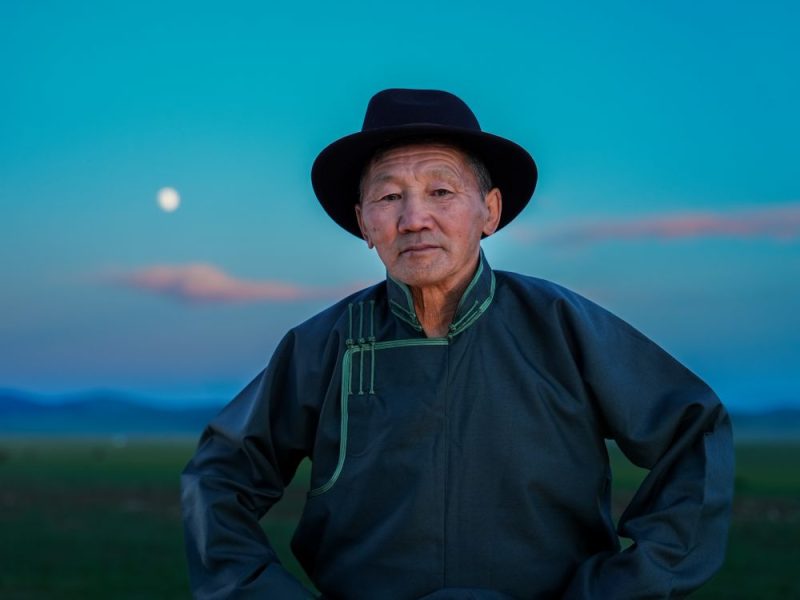
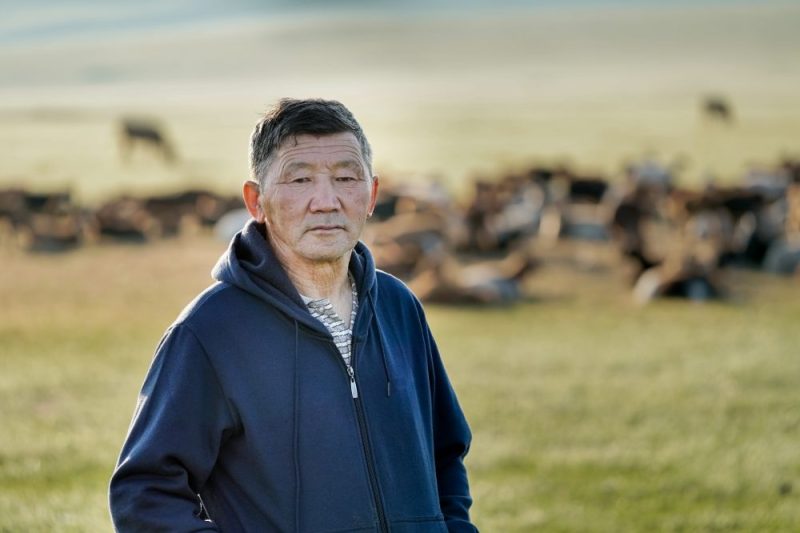
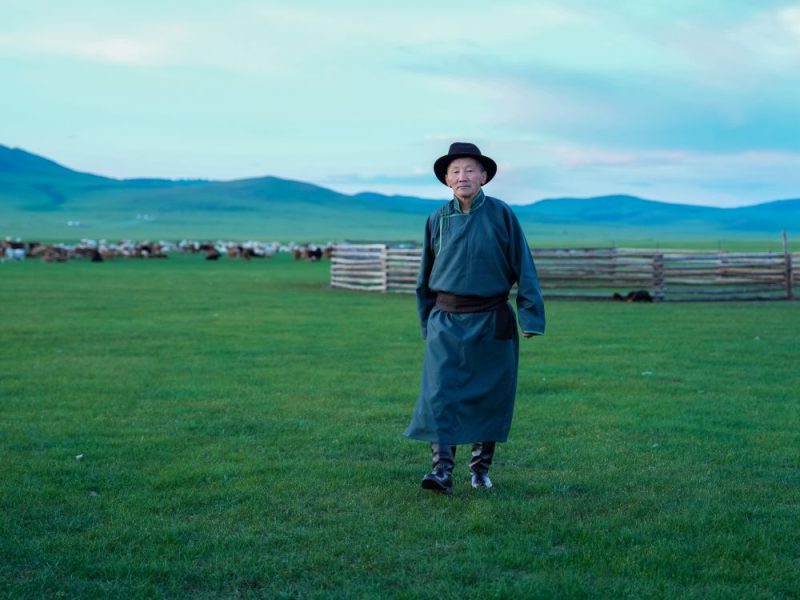
From the Steppes of Khentii: Mr Tangad's Journey Towards Stronger Cooperatives and Healthier Rangelands

“Being part of the cooperative has helped me realise just how powerful working together can be.”

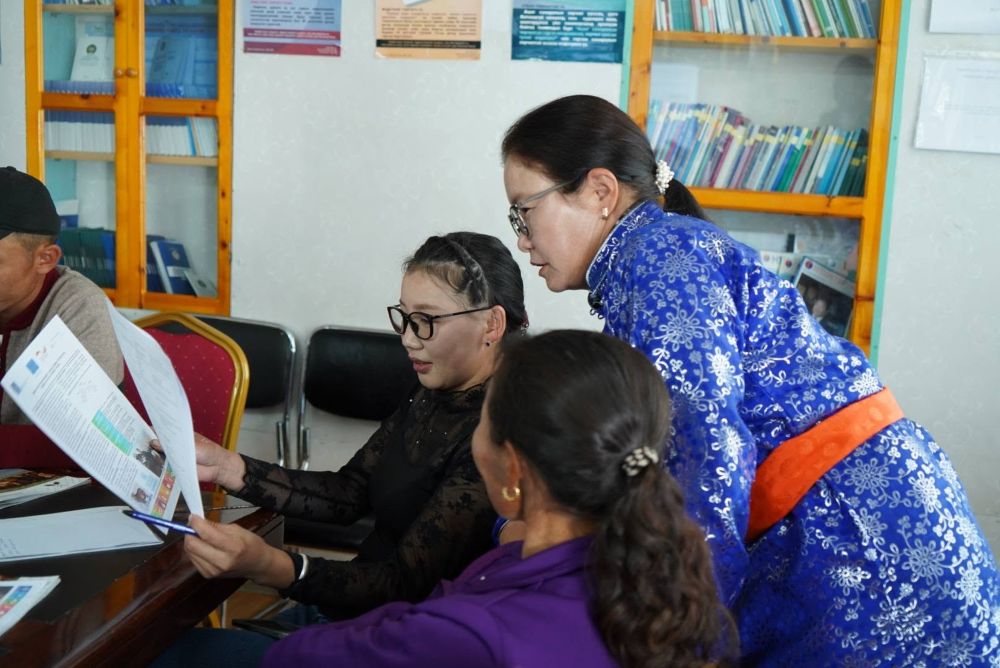
260730_A Herder's Journey_Blog 02

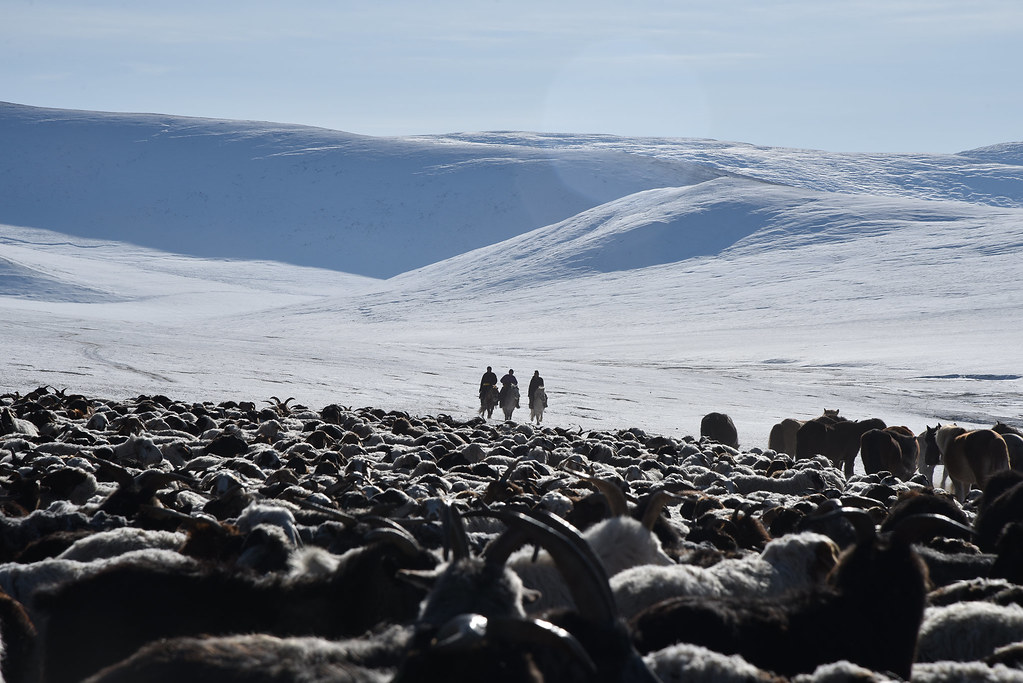
As the world celebrates the International Year of Rangelands and Pastoralists (IYRP) 2026, attention turns to the people who have cared for grasslands for generations. Across Mongolia’s vast steppe, pastoralist families are more than livestock keepers – they are custodians of landscapes, biodiversity and a way of life that has evolved alongside nature for centuries.

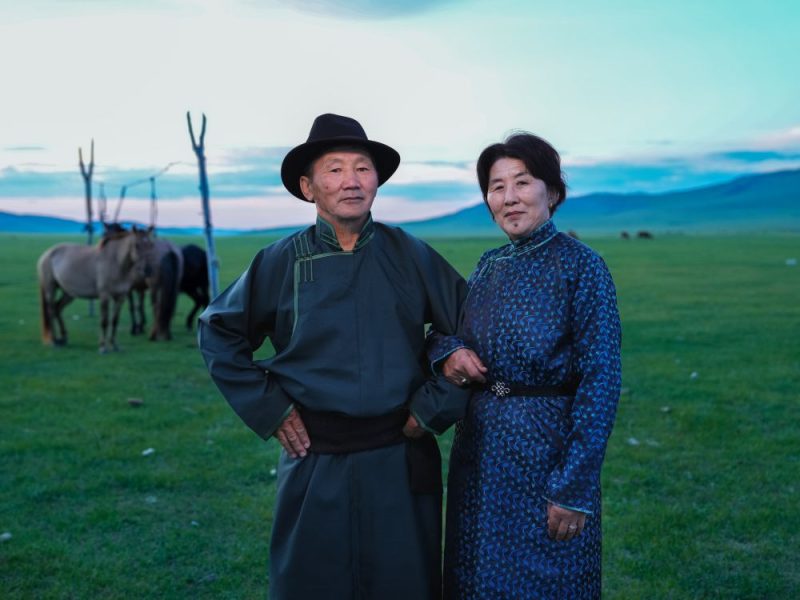
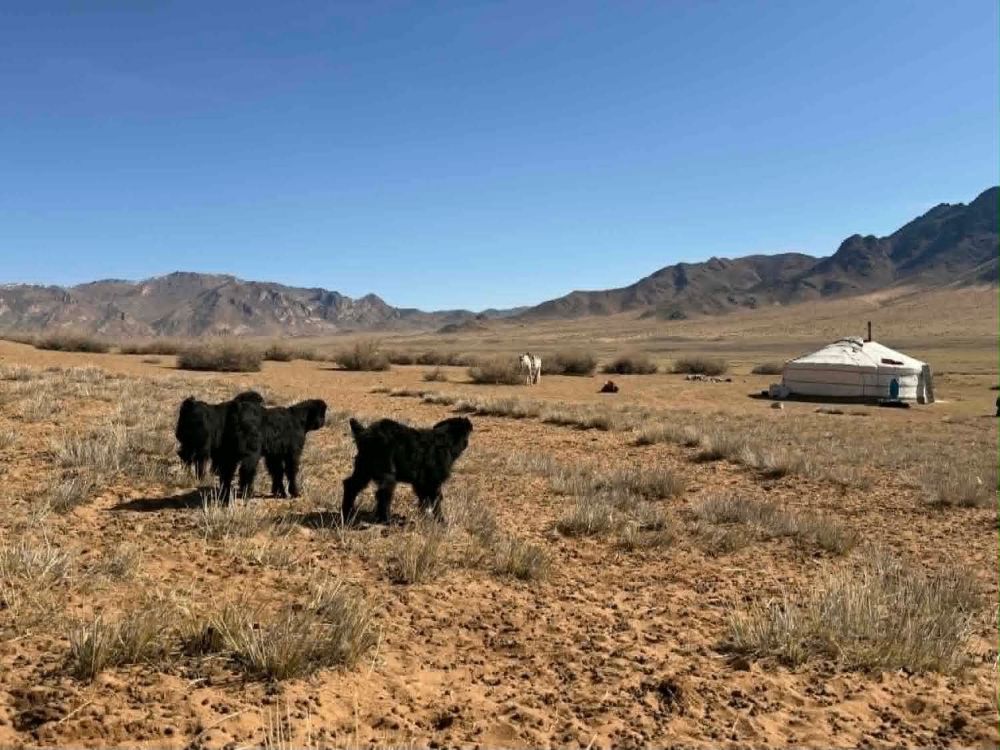
One of those pastoralists is Mr Tangad Damban, a herder from Mongolia’s Khentii Province and a member of the Ömniin Delger Süreg Cooperative. Together with his wife, he cares for goats, sheep, cattle and horses on the open rangelands that have supported their family for generations. Their livelihood depends on healthy pastures, healthy animals and high-quality cashmere.

For the Sustainable Fibre Alliance (SFA), stories like Mr Tangad’s illustrate how strengthening pastoral communities goes hand in hand with protecting Mongolia’s rangelands. Through responsible cashmere production, practical training and strong producer cooperatives, herders are building more resilient livelihoods while caring for the landscapes on which they depend.

A Changing Cashmere Market

When Mr Tangad first began producing cashmere, selling it was often one of the hardest parts of the year. “Before I joined the cooperative, selling our cashmere was quite difficult. We often faced challenges when it came to finding buyers and getting paid.”

In those days, reaching the market required significant time and effort. “We had to take our cashmere to the city or local markets ourselves. That was really difficult.”

Later, traders began travelling directly to the soum to buy cashmere from herders. Although that made selling easier, it still offered little certainty.

Today, Mr Tangad chooses a different path. “Compared to those days, things are much easier now. We simply deliver our cashmere to the cooperative and receive payment straight away. If we need it, we can even receive an advance payment. There were also times when cashmere traders would come to our soum to buy directly from herders. They still do occasionally. But these days, I sell all of my cashmere through the cooperative.”

Reliable market access and prompt payment provide more than convenience – they offer greater confidence for pastoral households planning for the year ahead.

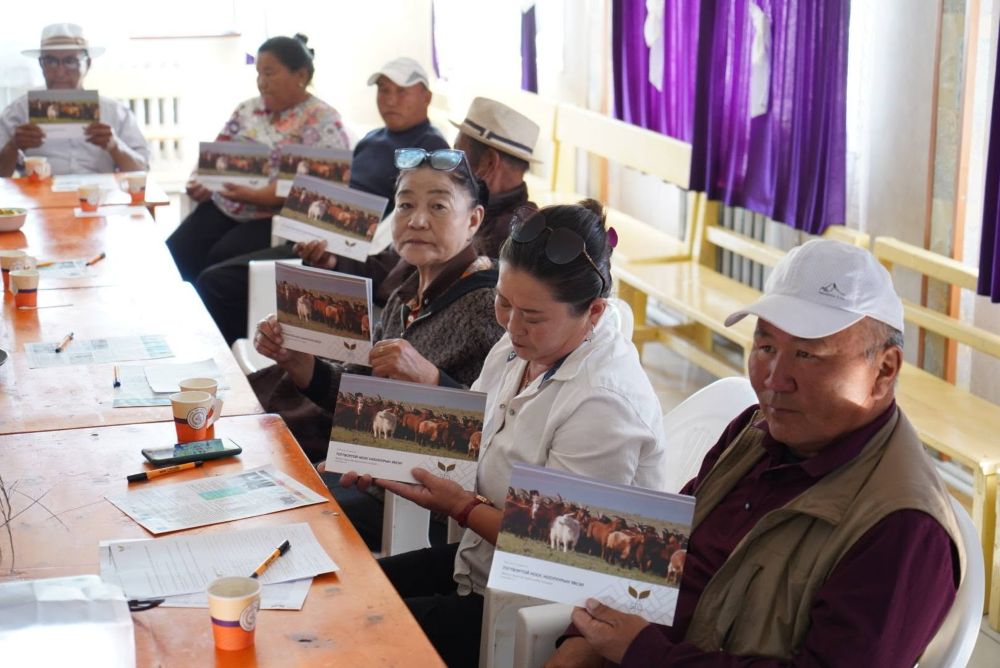
260730_A Herder's Journey_Blog 04

Choosing Cooperation

Mr Tangad’s faith in cooperatives was not immediate. Back in 2010, he joined another cooperative that never became fully operational. “The cooperative chairperson was also a herder, so I think it must have been difficult for them to manage both their livestock and the cooperative at the same time. In the end, it just came to a halt.”

Like many herders, he quietly accepted the disappointment. “I had paid my membership fee, but after that, nothing ever came of it.”

Years later, when the Ömniin Delger Süreg Cooperative was established, he made a conscious decision to try again. “No one pressured me into joining – I decided to become a member on my own.”

That decision has changed the way he views his work. “Being part of the cooperative has helped me realise just how powerful working together can be. Instead of working on our own, we can achieve much more when we work collectively. It’s more productive, more efficient, and things get done much faster.”

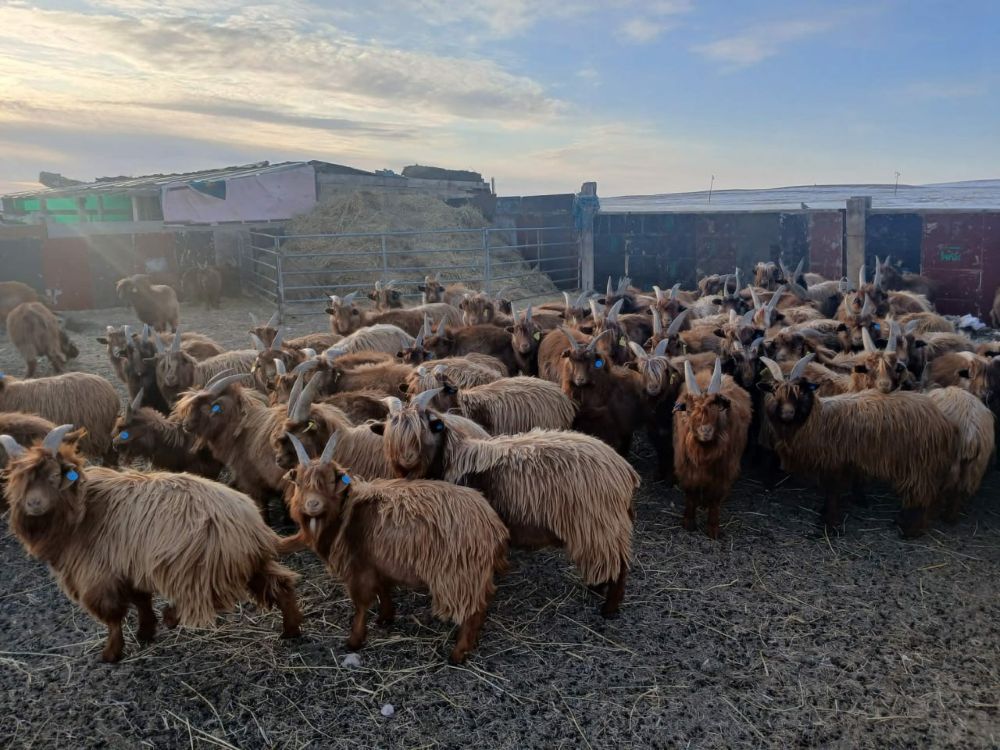
This year, Mr Tangad’s herd of around 300 goats produced just over 90 kilograms of cashmere, demonstrating the important contribution pastoral households make to Mongolia’s internationally recognised cashmere sector.

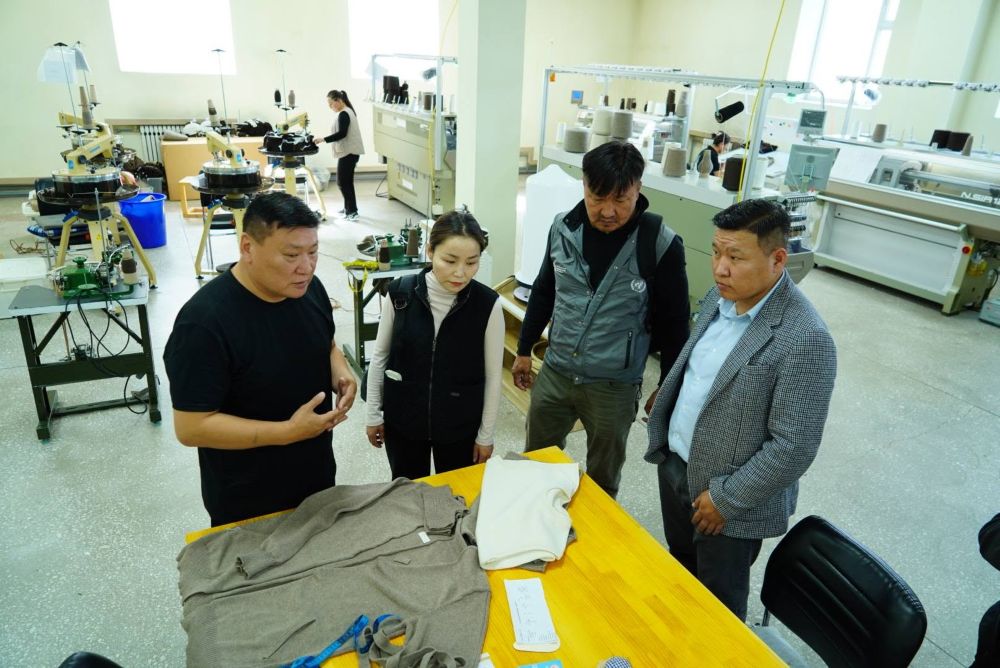
260730_A Herder's Journey_Blog 01

Every Fibre Matters

For pastoralists, producing quality cashmere begins long before the fibre reaches a processing facility. Mr Tangad’s goats produce cashmere in three natural colours – reddish-brown, black and white. Through training provided through the cooperative, he learned that sorting each colour separately and storing the fibre correctly helps maintain quality throughout the supply chain.

“Previously, we packed our cashmere into polypropylene feed sacks, but we learned that this wasn’t the correct method.” Today, his household uses specially designed reusable collection bags supplied through the cooperative. “For the past two years, we’ve been using the designated bags provided by the cooperative. Each bag holds around 60 kilograms of cashmere and is made from fabric, with printed identification information and a QR code for traceability.”

These improvements may seem simple, but they play an important role in protecting fibre quality, reducing contamination and strengthening traceability from herder to international market.

Learning Together

Training has become one of the most valuable benefits of cooperative membership. For Mr Tangad, the greatest lesson has been recognising that even experienced herders can continue learning. “Attending the training sessions has been very worthwhile. They made us realise that we had fallen behind in many areas.”

He believes learning should never stop. “From now on, I believe it’s important to continue participating in these training sessions whenever possible.”

But perhaps his most important observation is about who should attend. “If we have the opportunity, it’s even better if the whole family can attend. When only one person goes, it’s difficult to come home and explain everything completely to everyone else.”

Pastoralism is a family livelihood. Decisions about livestock, grazing, fibre preparation and household management are shared across generations. When everyone learns together, new knowledge becomes part of everyday practice.

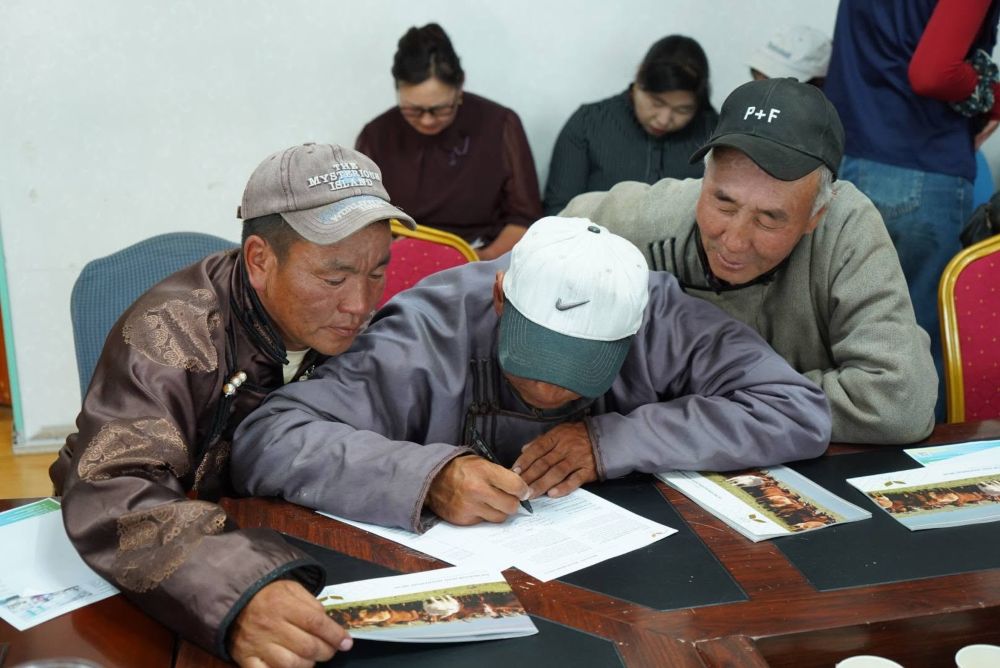
260730_A Herder's Journey_Blog 03

Caring for Mongolia's Rangelands

The International Year of Rangelands and Pastoralists celebrates the knowledge pastoralists have developed over generations to care for some of the world’s most fragile ecosystems.

For Mr Tangad, responsible grazing begins with respecting the rhythm of the seasons. “When it comes to pasture management, I believe it’s important to leave our winter and spring camps at the right time and continue practising seasonal migration. Staying in one place for too long isn’t good for the pasture.”

Although seasonal movement remains central to his family’s way of life, he has witnessed significant changes over the years. “Nowadays, however, we don’t travel as far as we used to. At present, we move our camp only three or four times a year.”

Then he smiles as he remembers his younger days. “When I was younger, we sometimes moved as many as ten times in a single month. We had much more energy back then. We’d set off before dawn, and before our neighbours had even woken up, we’d already reached our new campsite and finished setting up our ger.”

His memories capture both the endurance of Mongolia’s pastoral traditions and the changing realities facing herding families as they adapt to new environmental and economic challenges.

Celebrating Pastoralists

The International Year of Rangelands and Pastoralists is a reminder that pastoralists are not only producers of food and fibre. They are stewards of landscapes, custodians of traditional knowledge and essential partners in building resilient rural communities.

Mr Tangad’s story shows that sustainable development begins with people. When pastoralists have access to strong cooperatives, practical training and responsible markets, they are better equipped to care for their animals, improve the quality of their fibre and protect the rangelands that sustain future generations.

For the SFA, supporting pastoralists means recognising that sustainable cashmere starts long before a garment reaches the consumer. It begins on Mongolia’s grasslands, where families like Mr Tangad’s continue to demonstrate that cooperation, knowledge and stewardship are the foundations of resilient livelihoods and healthy rangelands.

260730_A Herder's Journey_Blog 05

Tamir Bud

SFA COMMUNICATIONS OFFICER

30 July 2026
SFA to Convene Landmark Programme at UNCCD COP17 Mongolia

Posted by Katy Edwards

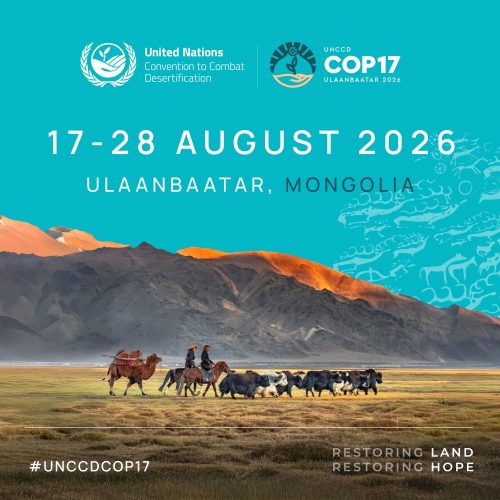
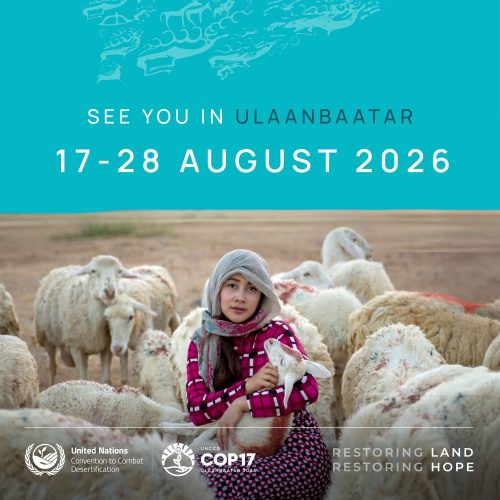
UNCCD COP17

17 – 28 August 2026
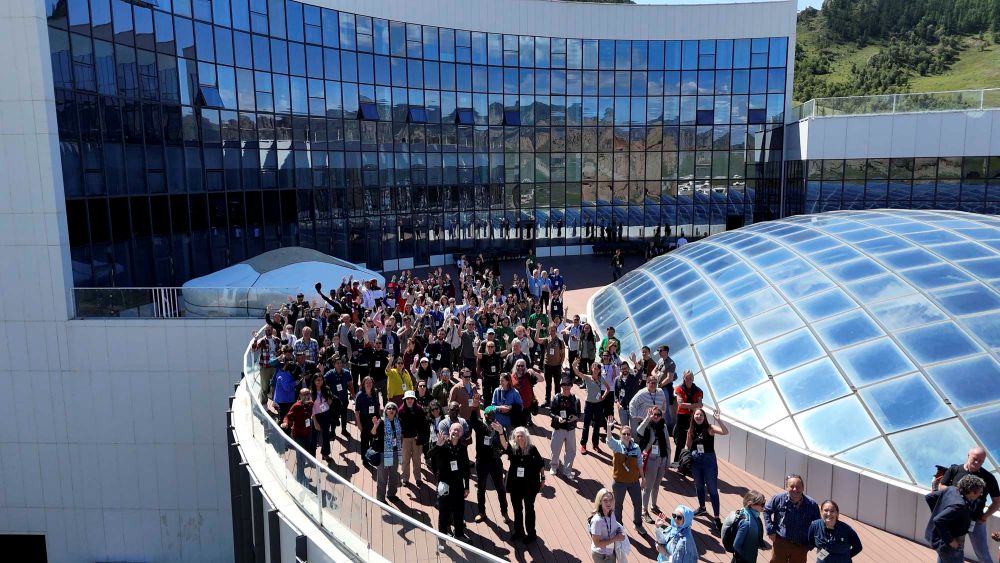
Ulaanbaatar, Mongolia

SFA to Convene Landmark Programme at UNCCD COP17 to Champion Sustainable Rangelands, Herder Livelihoods & Responsible Fibre Systems

Ulaanbaatar, Mongolia – This August, the Sustainable Fibre Alliance (SFA) will deliver our most ambitious international programme to date as part of the United Nations Convention to Combat Desertification (UNCCD) COP17 in Ulaanbaatar, Mongolia.

Bringing together herders, governments, brands, researchers, investors, policymakers and civil society organisations, our programme has been designed to demonstrate how sustainable rangeland management, responsible fibre production and community-led action can help address some of today’s most pressing global challenges, from land degradation and biodiversity loss to climate resilience and sustainable livelihoods.

Taking place during both UNCCD COP17 and the International Year of Rangelands and Pastoralists (IYRP 2026), the programme represents a unique opportunity to connect local experience with international policy, ensuring the voices of Mongolia’s fibre-producing communities and supply chains are reflected in discussions shaping the future of sustainable landscapes worldwide.

Article Contents

Why COP17 Matters

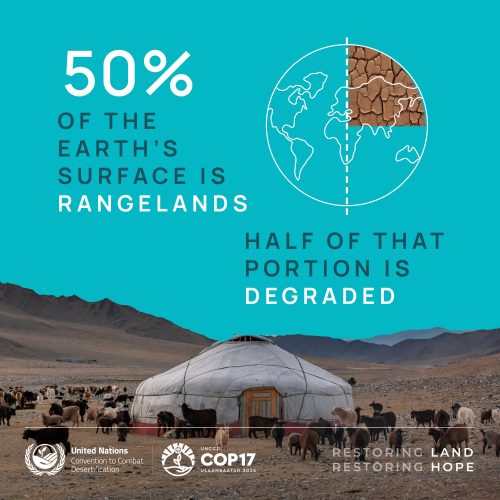
More than half of the Earth’s terrestrial surface is covered by grasslands, savannahs and rangelands. These landscapes support biodiversity, regulate climate systems, safeguard water resources and sustain the livelihoods of billions of people.

Yet despite their importance, rangelands remain significantly underrepresented in global environmental policy and investment.

As host of UNCCD COP17, Mongolia provides an exceptional setting to demonstrate how pastoral communities are responding to climate change and land degradation through practical, locally led solutions. Across its vast grasslands, generations of herders have developed deep, traditional knowledge and management practices that offer valuable insights into building resilient landscapes and sustainable production systems.

For us at the SFA, COP17 presents an opportunity not only to showcase Mongolia’s herding communities and supply chains – from fibre to finished product – but also to strengthen the connection between responsible sourcing, sustainable fibre systems and global efforts to restore land and improve livelihoods.

A Week of Dialogue, Learning & Action

Running throughout COP17’s second week, the SFA’s programme has been carefully designed to connect field experience with international dialogue, creating opportunities for participants to engage directly with the people, landscapes and partnerships driving sustainable change.

Working alongside a wide range of collaborators, including WWF, the Rangeland Stewardship Council (RSC)*, UNCCD and numerous international organisations, the programme brings together discussion on policy, finance, science and responsible business with the lived experience of pastoral communities.

Together, these events demonstrate how collaboration across sectors can accelerate action on sustainable rangeland management while supporting resilient livelihoods and responsible global supply chains.

Connecting Local Solutions with Global Action

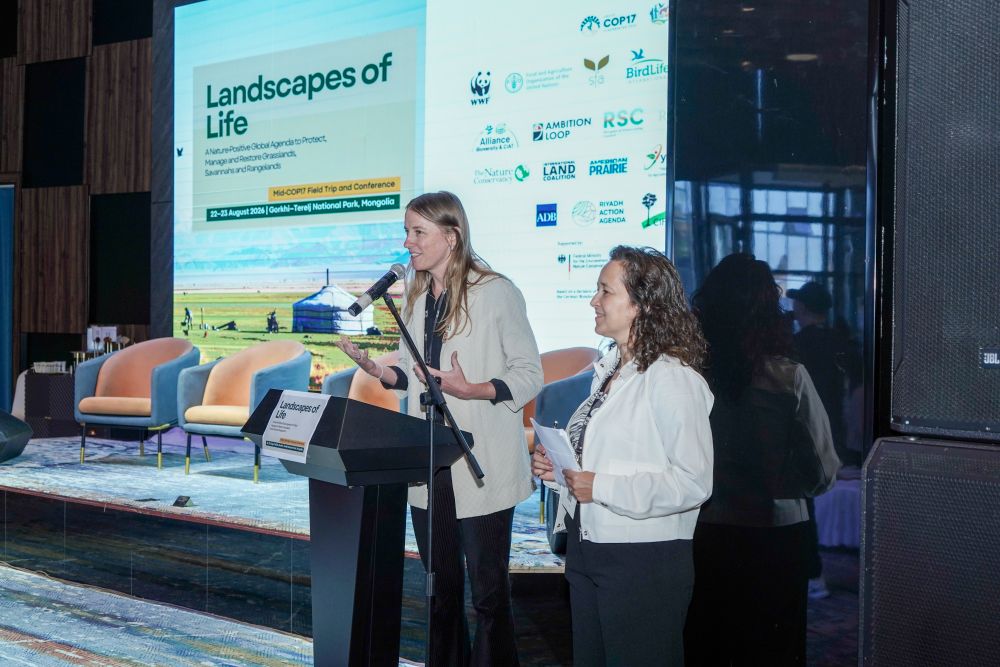
Our programme of activities begins with a mid-COP17 field trip and conference, titled Landscapes of Life: A Nature-Positive Agenda to Protect, Manage and Restore Grasslands, Savannahs and Rangelands, taking place on 22-23 August in Gorkhi-Terelj National Park.

Developed in partnership with WWF and an international coalition of organisations, this invitation-only event is designed to bridge local experience with global dialogue by bringing delegates out of the city and conference venue and into Mongolia’s iconic rangelands.

Participants will hear directly from herders, community leaders, restoration practitioners and technical experts working on the frontline of land restoration, while exploring practical examples of community-led approaches to combating desertification, restoring degraded landscapes and strengthening climate resilience.

Alongside field visits and cultural experiences, the programme will feature high-level discussions focused on protecting, managing and restoring grassland, savannahs and rangelands, helping shape recommendations that will feed into COP17 and beyond.

Celebrating Leadership Through the SFA Herder Sustainability Awards

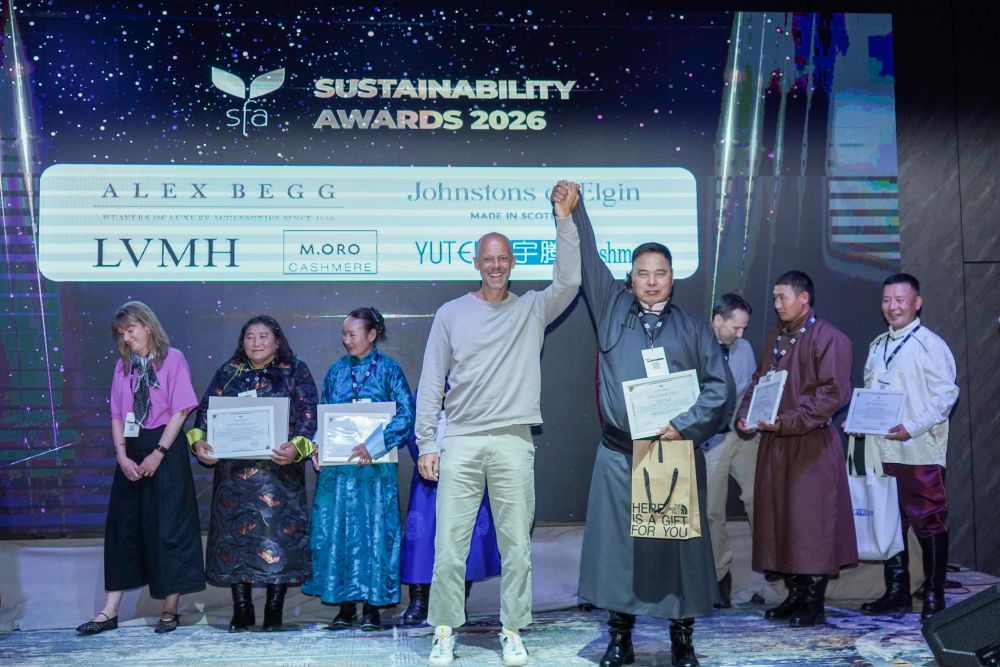
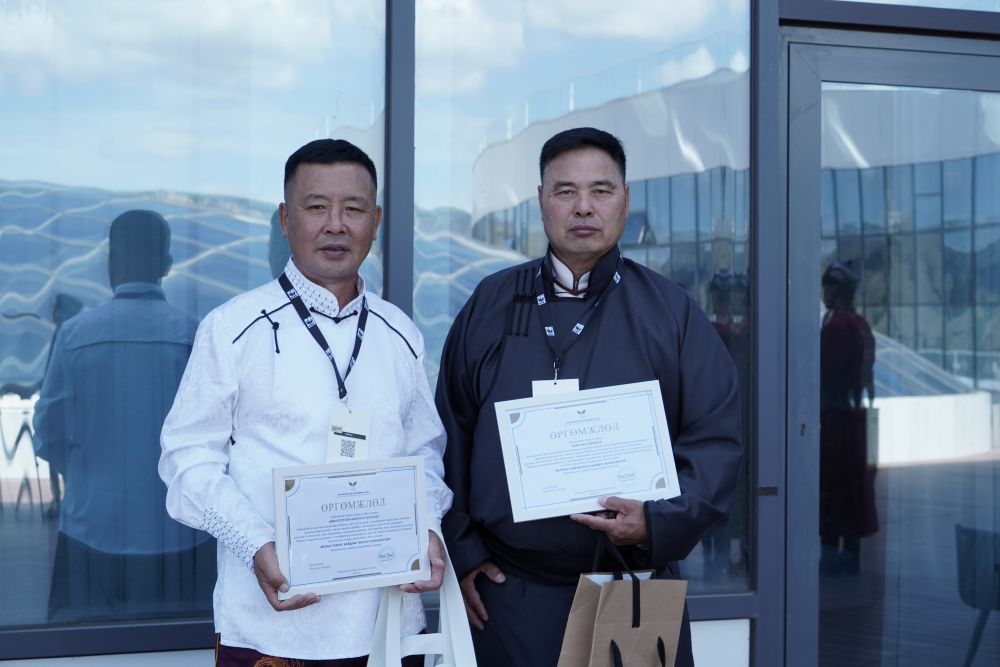
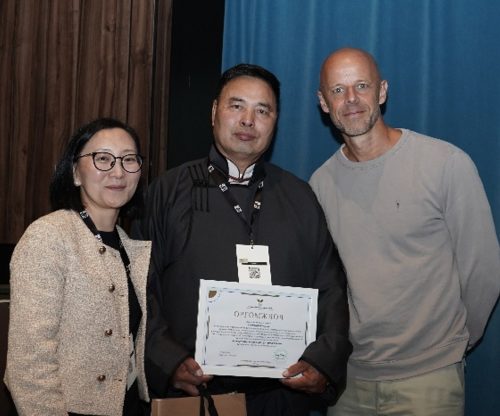
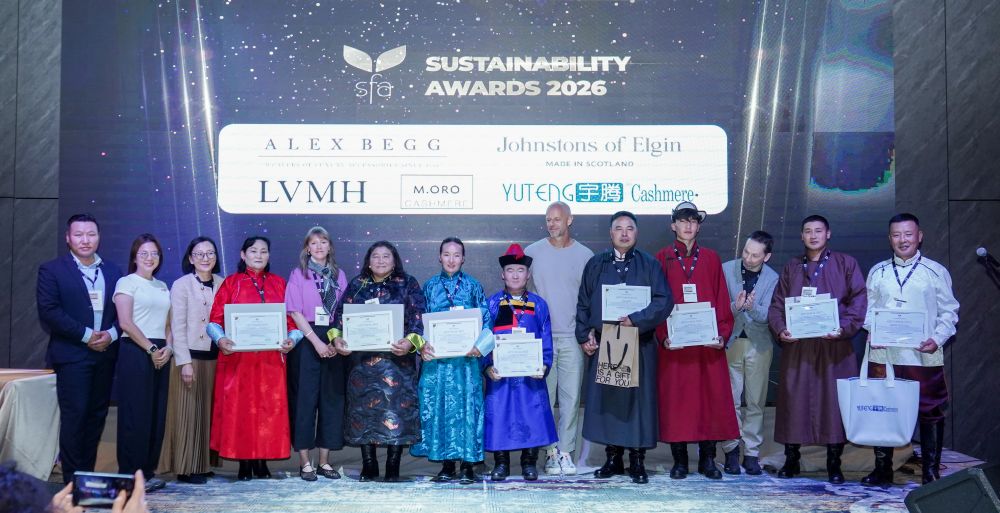
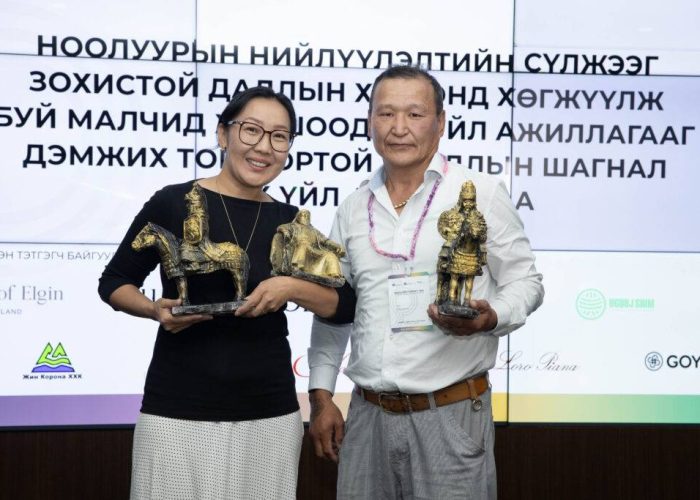
A highlight of the mid-COP17 programme will be the SFA Herder Sustainability Awards, which usually take place during our annual SFA Mongolia Conference.

Now firmly established as one of the SFA’s flagship initiatives, the awards celebrate outstanding herders and producer organisations demonstrating leadership in sustainable land management, animal welfare, fibre quality, community development and cooperative leadership.

By recognising these achievements within the wider COP17 programme, the awards provide an international platform to celebrate the people whose knowledge, innovation and commitment underpin sustainable cashmere and natural fibre production.

Importantly, the awards are only possible through the support of brands, manufacturers and organisations across the fibre sector. Through their continued commitment, award supporters help ensure that herder achievements are recognised on a global stage while inspiring best practice throughout international fibre value chains.

Fashion4Land: Exploring the Future of Fashion & Land Restoration

On 24 August, the SFA will co-host the Fashion4Land Forum, an official UNCCD COP17 event held within the Blue Zone under the Business4Land platform.

The forum will bring together fashion brands, policymakers, designers, sustainability experts and innovators to explore how regenerative fashion systems can contribute to land restoration, biodiversity conservation and resilient livelihoods.

Across three interactive sessions, participants will explore:

  • Designing Tomorrow: Youth Innovation in Sustainable Fashion
  • Wool at the Crossroads: Rediscovering a Natural Fibre in a Synthetic Age
  • Navigating Fashion Standards: Policy Dialogue on Sustainable Regulations

Together, these discussions will examine the growing role of natural fibres within sustainable fashion, the opportunities presented by regenerative value chains and the importance of greater alignment across international sustainability standards and policies.

By bringing together creative industries, supply chain leaders and policymakers, Fashion4Land aims to move beyond conservation and inspire practical collaboration capable of delivering lasting environmental and social impact.

Strengthening Resilient Cashmere Supply Chains Through Partnership

Alongside these events, the SFA is also proud to be a collaborative partner of the Resilient Threads Project, working alongside LVMH, Loro Piana, the Odyssey Conservation Trust (OCT) and UNCCD to demonstrate how public-private partnerships can strengthen sustainable cashmere production while supporting healthier rangelands, healthier animals and more resilient communities.

As part of COP17, the partnership will contribute to the official side-event Resilient Threads: How to Strengthen Cashmere Supply Chains Through Public-Private Partnerships and the Operationalisation of One Health, highlighting how collaborative approaches can help address the interconnected challenges of land degradation, biodiversity loss, climate change and livelihoods through the practical application of One Health principles.

Drawing on experiences from Mongolia’s Eastern Steppe, the discussion will explore how partnerships between governments, communities, civil society and the private sector can create scalable models for sustainable land management and resilient cashmere supply chains, while demonstrating the importance of integrating environmental, animal and human health into future land restoration efforts.

Driving International Dialogue Through Official COP17 Side Events

The SFA and the Rangeland Stewardship Council (RSC)* are also proud to have secured three official UNCCD COP17 side-events, each addressing a critical aspect of sustainable rangeland management and demonstrating how collaboration across policy, science and markets can accelerate positive change.

During Finance Day (24 August), the SFA and partners will convene Financing Land Restoration at Scale: Business for Land and Investment Pathways for Rangelands, exploring how public and private finance can work together to unlock investment in sustainable rangelands. Discussions will examine funding mechanisms, science-based monitoring systems and the Global Rangeland Fund in scaling land restoration and supporting resilient pastoral communities.

On Land & People Day (26 August), the RSC will hold the High-Level Launch of the RSC Standard (Foundation Standard) session. Bringing together governments, technical experts, pastoral representatives and private sector leaders, the event will introduce a globally relevant framework designed to support sustainable rangeland stewardship and build momentum for implementation across diverse landscapes.
The programme concludes on Food Systems & Soil Health Day (27 August) with Value Addition for Sustainable Commodities: Linking Soil Health, Rangelands and Global Markets. This session will explore how healthy soils, voluntary sustainability systems and responsible markets can strengthen global commodity value chains while recognising the essential role of ecosystem services in sustainable production.

Together, these discussions demonstrate how effective collaboration between government, business, producers and civil society can help create resilient landscapes, strengthen livelihoods and build more sustainable global fibre systems.

Bringing Together Policy, Finance & Practice

Across every event, one consistent theme emerges: meaningful progress can only be achieved through collaboration.

Whether exploring innovative finance mechanisms, launching new international standards, celebrating herder leadership or bringing together the fashion sector with policymakers, the SFA’s COP17 programme demonstrates the value of partnerships that bridge local knowledge with global ambition.

By creating spaces where governments, brands, researchers, investors, civil society organisations and herders can work together, the programme aims to accelerate practical solutions that benefit landscapes, biodiversity, climate resilience and rural livelihoods alike.

Join the Conversation

UNCCD COP17 represents a defining moment for sustainable land management and responsible fibre systems.

Throughout the programme, we welcome SFA Members, partners and stakeholders from across the world to contribute to these important discussions, whether by participating in events, supporting the Herder Sustainability Awards, collaborating through partnership opportunities or engaging in dialogue that helps shape future policy and practice.

As a membership organisation, many of these activities are only possible through the continued support and engagement of our SFA Members and partners. Together, we can ensure that the experiences of herders, the importance of sustainable rangelands and the value of responsible natural fibre systems remain central to global conversations on climate resilience, biodiversity conservation and land restoration.

We look forward to welcoming the international community to Mongolia this August and to working together to help shape a more resilient future for people, landscapes and sustainable fibre systems.

For further information about any of the events listed above, including participation opportunities, please contact the SFA team at marketing@sustainablefibre.org to join the conversation.

SFA Programme at a Glance

Below is an overview of the SFA’s programme and activities during UNCCD COP17:

22-23 August (Mid-COP17)
Gorkhi-Terelj National Park
Landscapes of Life: A Nature-Positive Global Agenda to Protect, Manage and Restore Grasslands, Savannahs and Rangelands

22 August (Mid-COP17)
Gorkhi-Terelj National Park
SFA Herder Sustainability Awards 2026 Ceremony
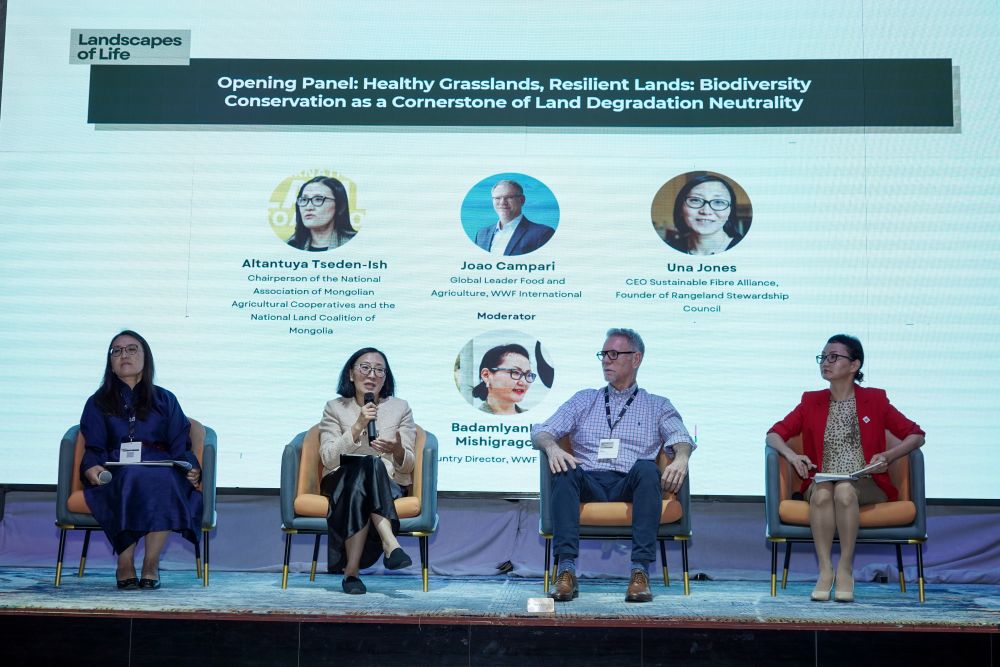
24 August (Finance Day), 10:30-12:00
Blue Zone, MET-03
Financing Land Restoration at Scale: Business for Land and Investment Pathways for Rangelands

24 August (Finance Day), 13:00-14:30
Blue Zone, MET-06
Resilient Threads: How to Strengthen Cashmere Supply Chains Through Public-Private Partnership and the Operationalisation of One Health

24 August (Finance Day), 15:00-19:30
Blue Zone, MET-23 & Action Dome
Fashion4Land Forum

26 August (Land & People Day), 10:30-12:00
Blue Zone, MET-03
High-Level Launch of the RSC Standard (Foundation Standard)

27 August (Food Systems & Soil Health Day), 08:30-10:00
Blue Zone, MET-05
Value Addition for Sustainable Commodities: Linking Soil Health, Rangelands and Global Markets

Katy Edwards

SFA MARKETING & COMMUNICATIONS MANAGER

17 July 2026

*The RSC operates through international collaboration with partners including the United Nations Convention to Combat Desertification (UNCCD), the Sustainable Fibre Alliance (SFA), Landscape Alliance (ICRAF), Natural Fibre Connect (NFC), and the Global Environment Facility (GEF)-funded STELARR project, implemented by IUCN and executed by the International Livestock Research Institute (ILRI) and partners, with additional support from the European Commission.

Shaping the Future of the SFA Standards System | Stakeholder Consultations Now Underway

Posted by Katy Edwards

The Sustainable Fibre Alliance (SFA) has launched the next phase in the ongoing development of our Standards System, with several important reviews now underway that will help shape the future of responsible animal fibre production.

As sustainability expectations continue to evolve across global supply chains, regular review of the SFA Standards System ensures that our requirements remain practical, credible and aligned with international best practice, while continuing to support producers, processors, brands and retailers in delivering positive outcomes for people, animals and the environment.

Throughout 2026, the SFA is undertaking reviews across several key areas of its Standards System, including the SFA Assurance & Certification Manual (ACM), the SFA Clean Fibre Processing Standard (CFPS), and the continued development of multi-species certification through the SFA Animal Fibre Standard (AFS).

Each review is being delivered through the SFA’s transparent, multi-stakeholder standards development process, with consultation playing a central role in ensuring that a wide range of perspectives help shape the future direction of the Standards System.

A Commitment to Continuous Improvement

The SFA Standards System has evolved significantly over the past decade since the organisation was established, growing from its original Codes of Practice into a comprehensive suite of internationally recognised standards covering cashmere production, primary processing, chain of custody and assurance.

Maintaining the credibility of this system requires continual review and improvement. Through regular stakeholder consultation, the SFA seeks to ensure its standards remain fit for purpose, reflect emerging sustainability priorities and continue to support responsible production across increasingly complex global supply chains.

As an organisation committed to internationally recognised good practice, the SFA aligns our standards development process with the ISEAL Code of Good Practice for Sustainability Systems. The code recognises that sustainability standards should be reviewed on a regular cycle to ensure they remain relevant, credible and responsive to changing environmental, social and market expectations. These reviews form part of the SFA’s ongoing commitment to maintaining a robust and trusted Standards System.

Our approach is founded in inclusivity and collaboration. We encourage participation from producers, processors, brands, Conformity Assessment Bodies (CABs), civil society organisations, researchers and all other interested stakeholders to help strengthen the future of the Standards System.

Review of the Assurance & Certification Manual

The SFA has now commenced a comprehensive review of our Assurance & Certification Manual (ACM).

The ACM defines the rules that SFA-approved Conformity Assessment Bodies (CABs) must follow when delivering assurance and certification services across the SFA Standards System. By providing a clear and consistent framework for certification, the ACM helps ensure that claims relating to SFA-Certified fibre remain robust, transparent and trusted throughout the supply chain.

The current version of the ACM was updated during the review of the SFA Animal Fibre Standard, which concluded in 2025. Since then, the publication of Derogation D1 in January 2026 has temporarily modified several certification requirements while allowing the updated Animal Fibre Standard to be implemented in practice.

This review will evaluate whether those temporary measures should become permanent, identify opportunities to improve existing certification requirements, and consider any additional changes required as other standards within the SFA system continue to evolve.

To support this process, we have published a Statement of Intent, outlining the scope of the review, the proposed development process and the key areas under consideration.

Stakeholders are invited to provide feedback on the Statement of Intent through the SFA Open Consultation Portal until 24 July 2026.

Following this initial consultation, a draft revised Assurance & Certification Manual will be developed and released for a 60-day public consultation later in 2026. Particular emphasis will be placed on engaging Conformity Assessment Bodies (CABs) to ensure that any revised requirements remain practical, effective and credible in real-world implementation. The SFA will also continue working to overcome language barriers and encourage participation from stakeholders who have traditionally been underrepresented within standards development.

Review of the Clean Fibre Processing Standard

Alongside the Assurance & Certification Manual review, the SFA is continuing the scheduled review of our Clean Fibre Processing Standard (CFPS).

Originally published in 2019 and reviewed in 2021, the CFPS establishes environmental, social and operational requirements for initial industrial processing of cashmere fibre, helping minimise environmental impacts while promoting responsible workplace practices.

As industry expectations continue to evolve, the current review aims to strengthen the standard while ensuring it remains practical and accessible for organisations of different sizes and levels of complexity.

Several key areas are being explored throughout the review, including:

  • Expanding the standard to include selected additional animal fibre species.
  • Extending certification to cover additional secondary processing activities.
  • Introducing enhanced due diligence and internal audit requirements to strengthen governance and management systems.
  • Continuing to improve environmental performance across processing facilities.
  • Ensuring that new requirements remain proportionate and inclusive, allowing organisations at different stages of maturity to participate within the SFA Standards System.

An updated Statement of Intent has now been published, with stakeholders invited to submit comments as part of the current consultation process.

The SFA is also inviting experts and stakeholders to participate in dedicated working groups, providing opportunities for early collaboration during the development of the revised standard. Please contact standards@sustainablefibre.org if interested in participating in these working groups.

Expanding Towards Multi-Species Certification

The SFA is also progressing work to expand the scope of its Standards System beyond cashmere.

Following research and stakeholder engagement undertaken over recent years, development is now underway to incorporate selected camelid species and yak into relevant SFA Standards, beginning with the Animal Fibre Standard (AFS).

Many pastoral communities manage mixed-species herds, yet existing certification systems have historically focused on individual fibre types. Expanding the SFA Standards System will enable producers managing these systems to access certification across a broader range of fibres while maintaining consistent expectations for responsible production.

The work builds upon the original Statement of Intent published in 2025 and represents an important step towards creating a more inclusive Standards System capable of supporting responsible animal fibre production across diverse pastoral landscapes.

The first phase of this work, expanding the SFA Animal Fibre Standard, is expected to conclude by the end of 2027.

Help Shape the Future of the SFA Standards System

The strength of the SFA Standards System depends upon meaningful collaboration.

By participating in consultation, joining working groups and sharing practical experience, stakeholders play an important role in ensuring that our standards remain credible, practical and capable of delivering positive outcomes across global supply chains.

We welcome feedback from all interested stakeholders throughout these review processes and encourage participation regardless of organisation size, geographic location or previous involvement with the SFA programme.

Together, we can continue building a Standards System that supports responsible animal fibre production, resilient livelihoods and healthy rangelands for generations to come.

Current Opportunities to Get Involved

Katy Edwards

SFA MARKETING & COMMUNICATIONS MANAGER

2 July 2026

Consultation Meeting Held for Stakeholders in the Supply & Value Chains of Wool, Cashmere & Leather

Posted by Katy Edwards

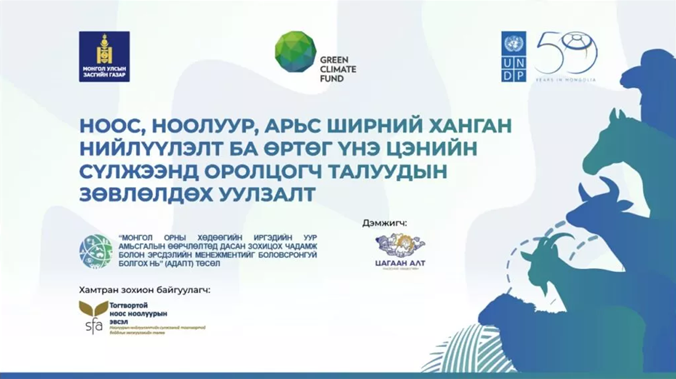
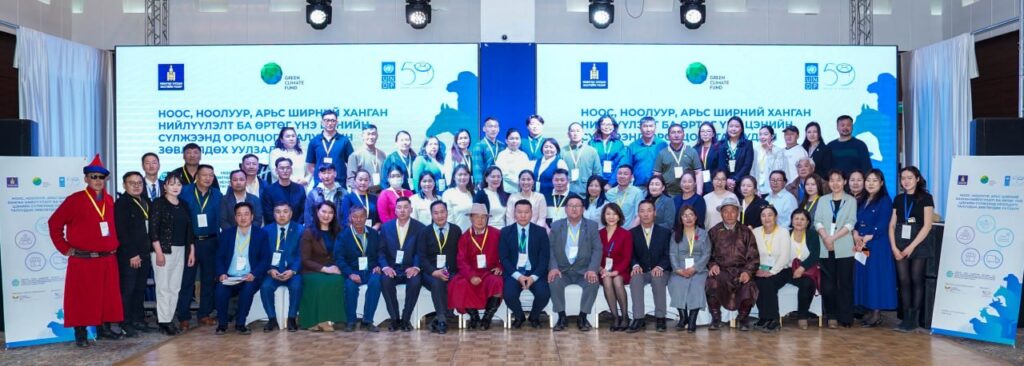
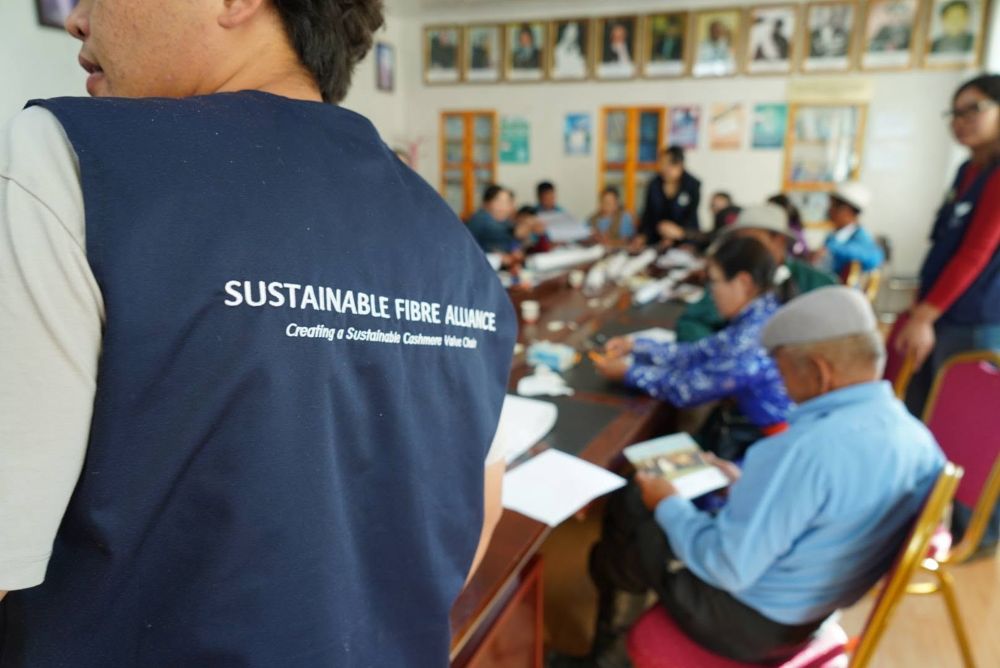
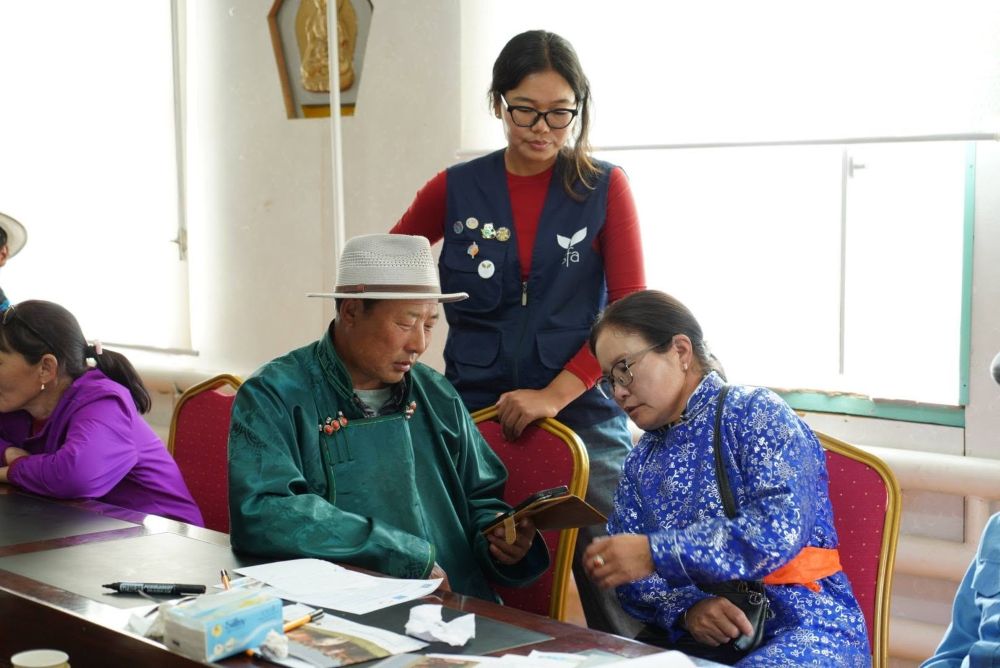
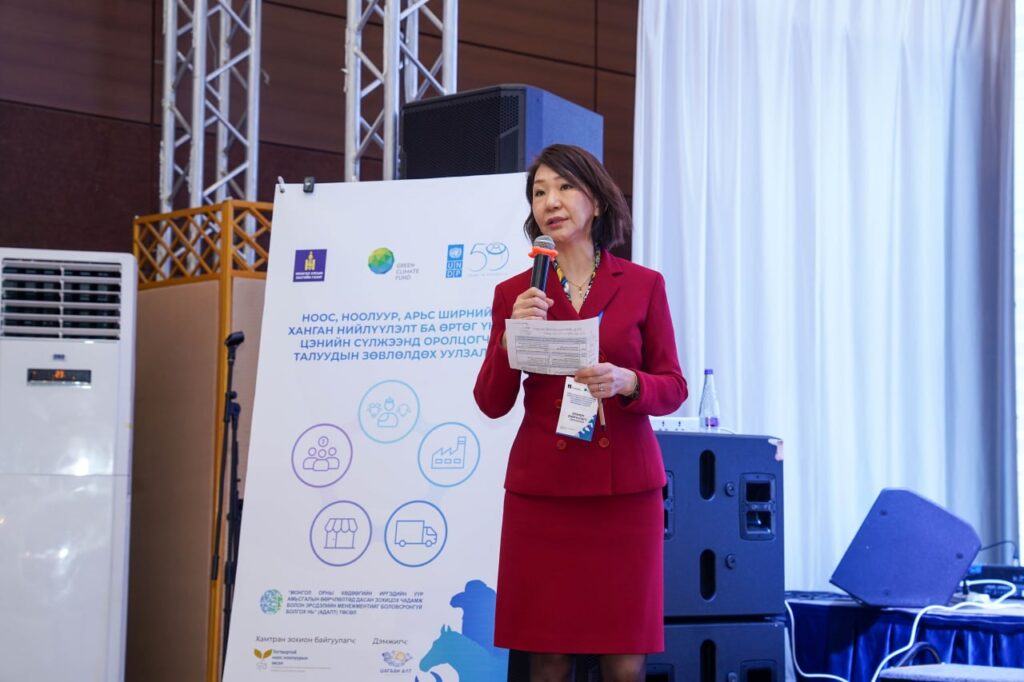
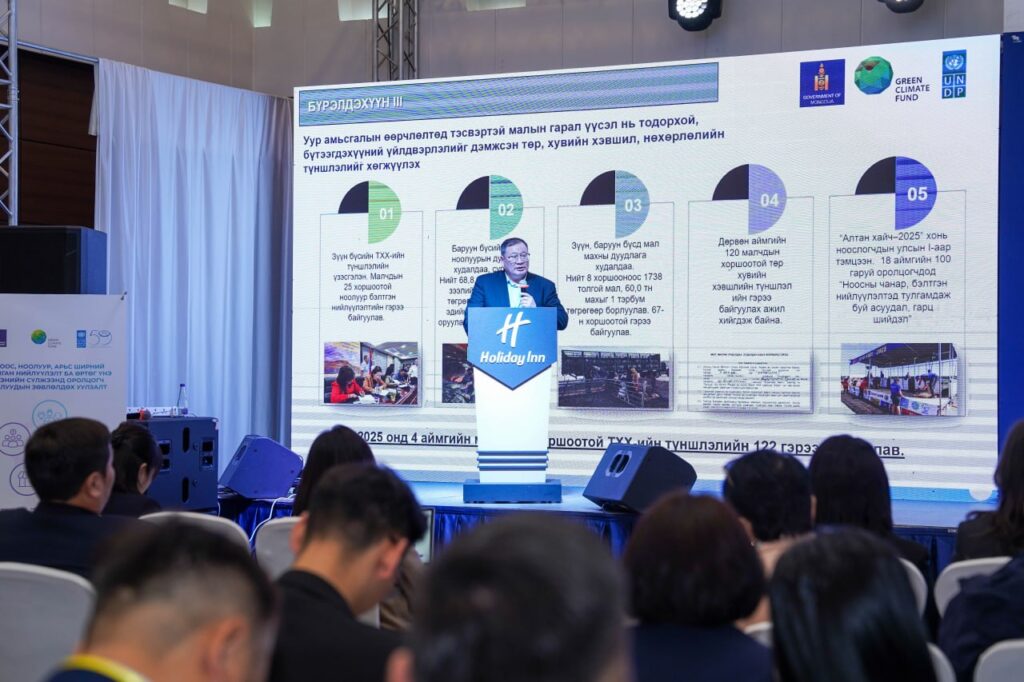
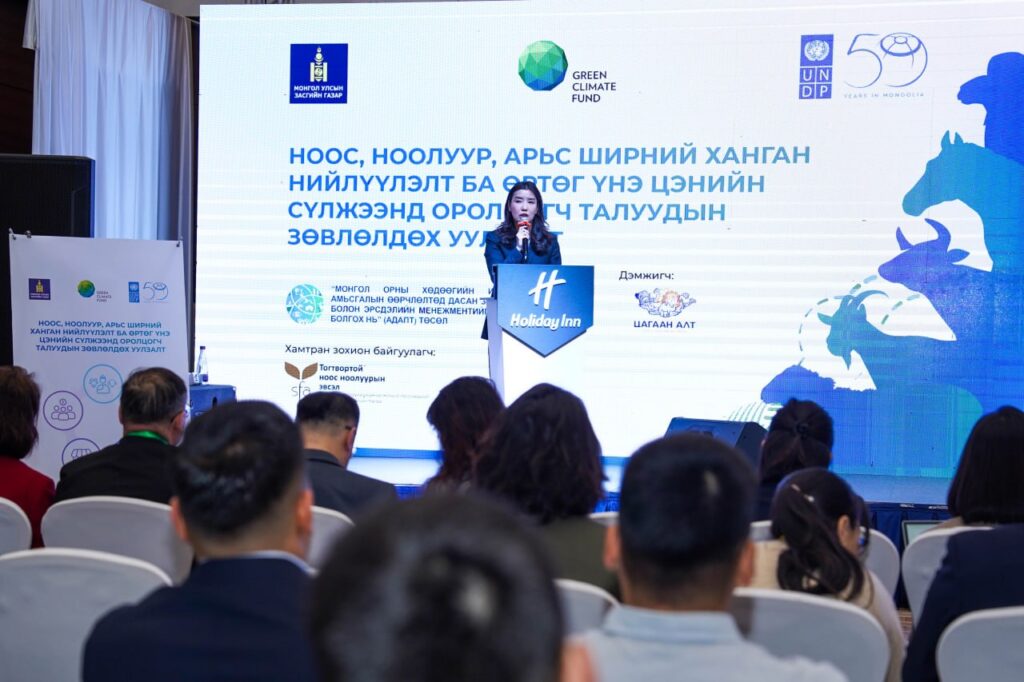
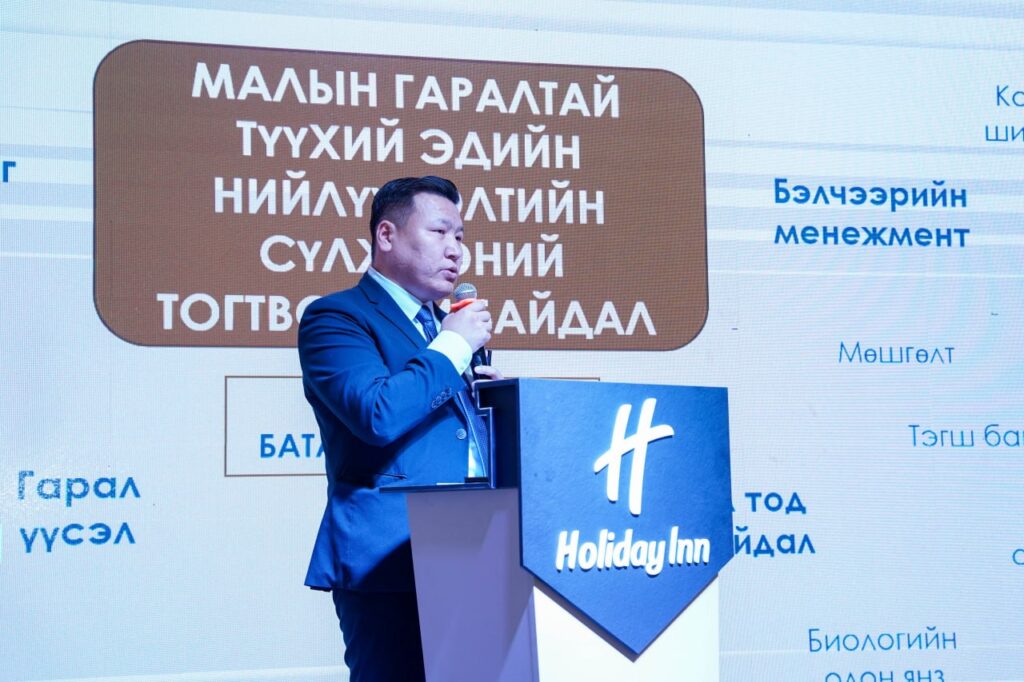
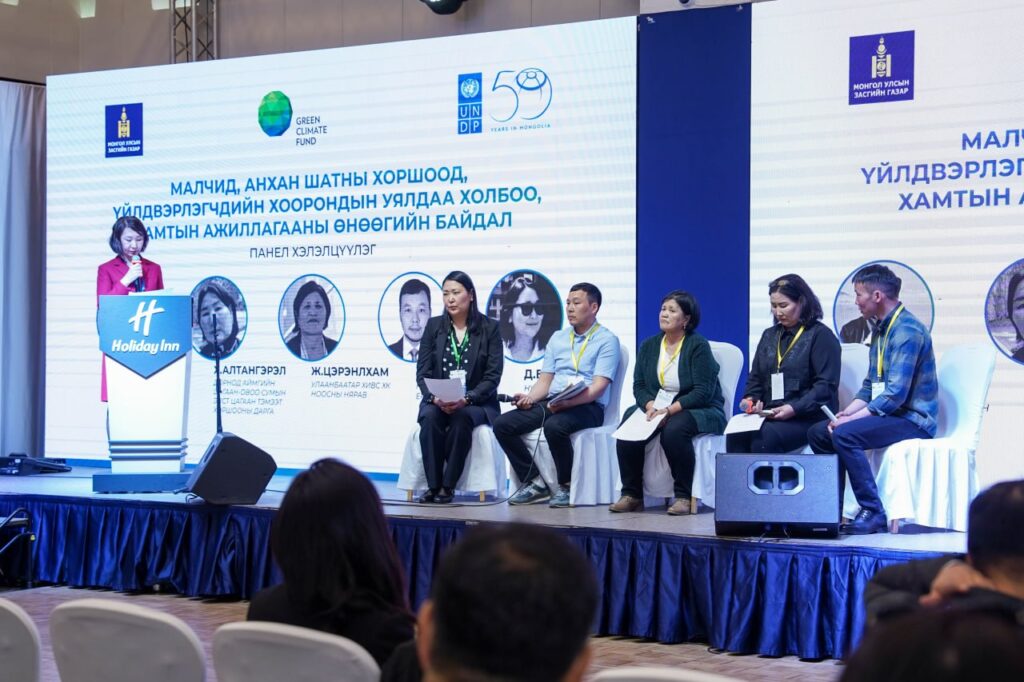
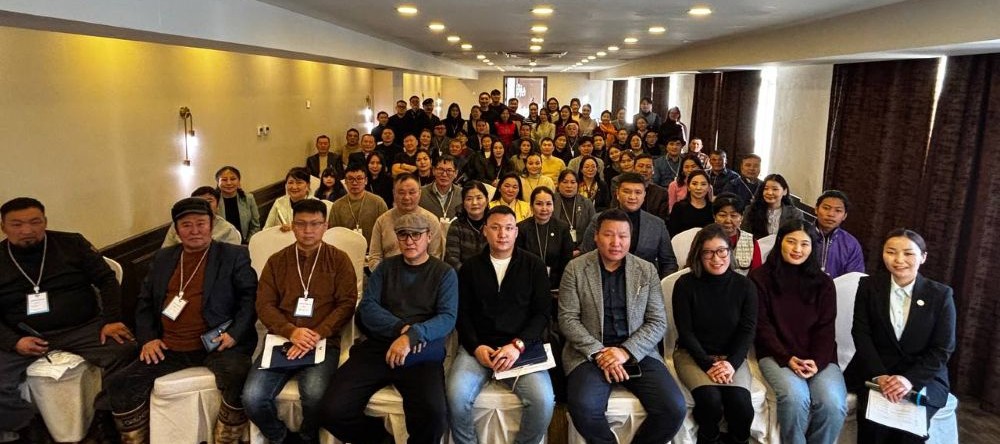
On April 28th, 2026, the Sustainable Fibre Alliance (SFA), in collaboration with the Mongolian Ministry of Food, Agriculture and Light Industry (MoFALI), the ADAPT Project, and partners including the national “White Gold” programme, co-organised the consultative meeting entitled “Supply and Value Chains of Wool, Cashmere, and Leather” in Ulaanbaatar.

The wool, cashmere and leather sector remains one of the most important pillars of Mongolia’s agricultural economy, supporting rural livelihoods, herding communities, and national production systems. As global demand continues to grow for traceable, responsibly sourced, and climate-resilient raw materials, strengthening sustainable supply and value chains has become increasingly important.

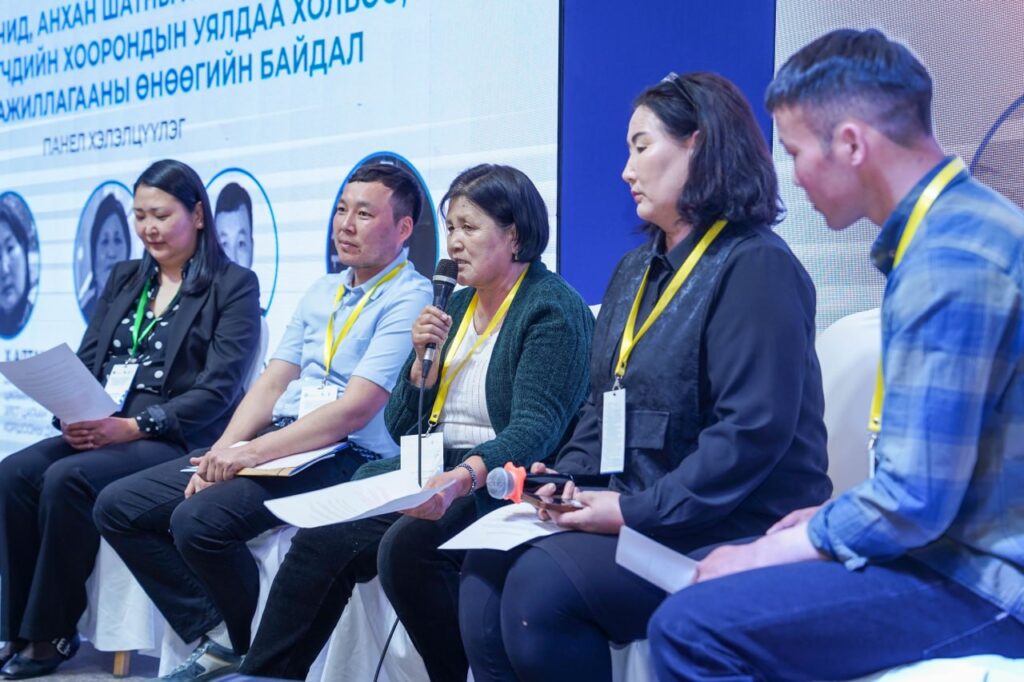
The meeting brought together around 100 representatives from government institutions, international organisations, researchers, private sector actors, processing industries, and herders and cooperatives from the ADAPT Project’s target provinces of Khovd, Zavkhan, Dornod, and Sukhbaatar in Mongolia. The discussions focused on strengthening collaboration across the sector, improving policy and implementation linkages, enhancing competitiveness, and increasing the value of livestock-derived raw materials.

As a co-organiser, the SFA contributed its expertise in sustainable cashmere production, responsible sourcing, and herder-centred value chain development. Particular attention was given to strengthening the climate resilience of herders and cooperatives, while improving raw material quality, traceability, certification systems, and compliance with international market standards.

The consultative meeting also served as a platform to exchange experiences and practical solutions related to pastureland management, sustainable livestock production, and climate adaptation. Participants discussed sectoral development trends, export opportunities, and evolving international market requirements, alongside research findings on the role and contributions of herders and cooperatives within value chains.

Through open dialogue and panel discussions, stakeholders identified opportunities to strengthen partnerships and coordination across all levels of the sector, while developing recommendations aimed at improving the quality, sustainability, and global competitiveness of Mongolian wool, cashmere, and leather products.

The SFA remains committed to supporting collaborative initiatives that promote sustainable livelihoods, healthy rangelands, animal welfare, and resilient supply chains across Mongolia’s pastoral communities. Click here to view a highlight video from the consultation meeting on our SFA Facebook page.

If you are interested in supporting SFA projects and partner programmes on the ground in Mongolia or Inner Mongolia, please reach out to us at info@sustainablefibre.org to learn more.

Translated by Tamir Bud

SFA COMMUNICATIONS OFFICER

13 May 2026

Originally posted on 28 April 2026: https://sustainablefibre.mn/ноос-ноолуур-арьс-ширний-ханган-нийлү/

Training for SFA Member Processors Successfully Held

Posted by Katy Edwards

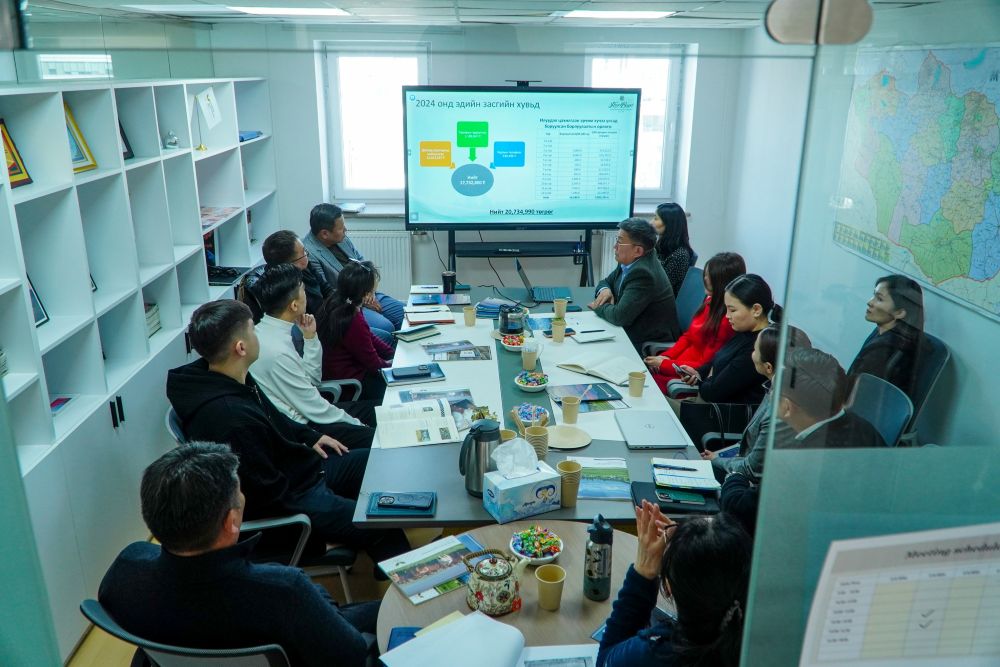
On 6th March 2026, the Sustainable Fibre Alliance (SFA) organised a training session for its member processors at its office in Ulaanbaatar, Mongolia.

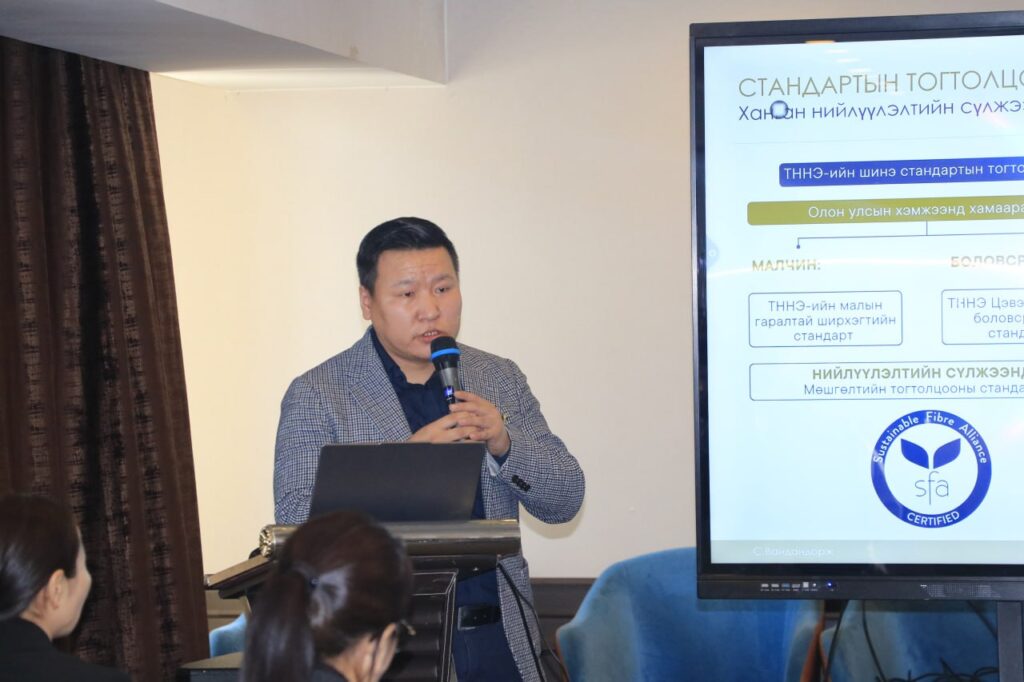
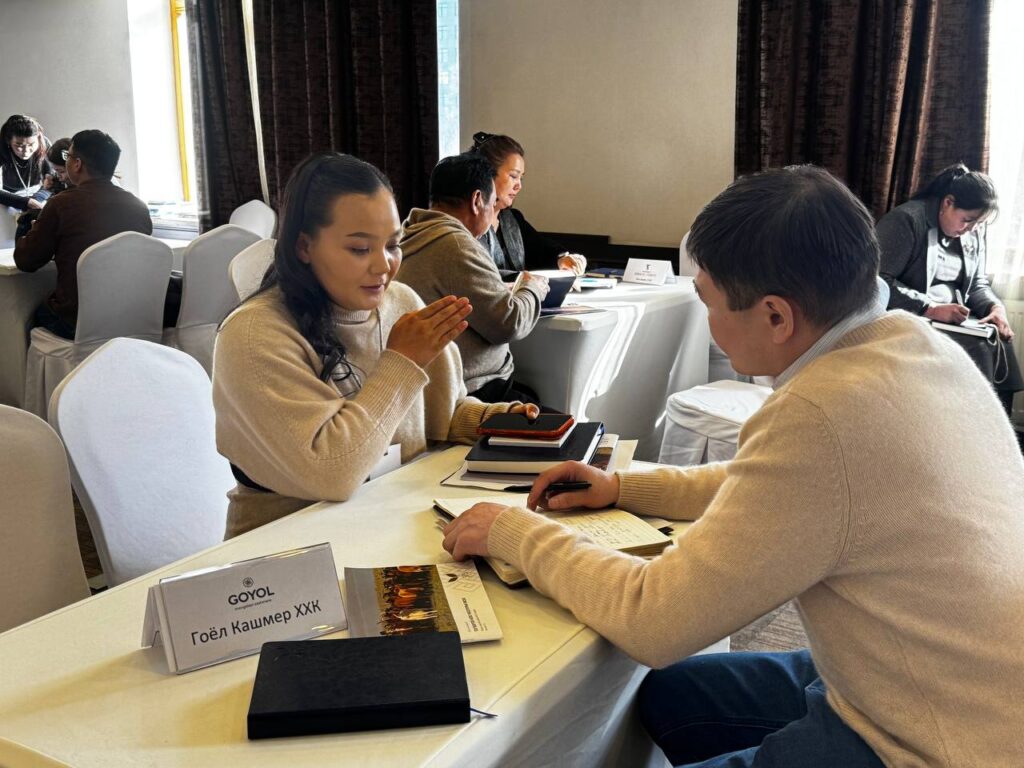
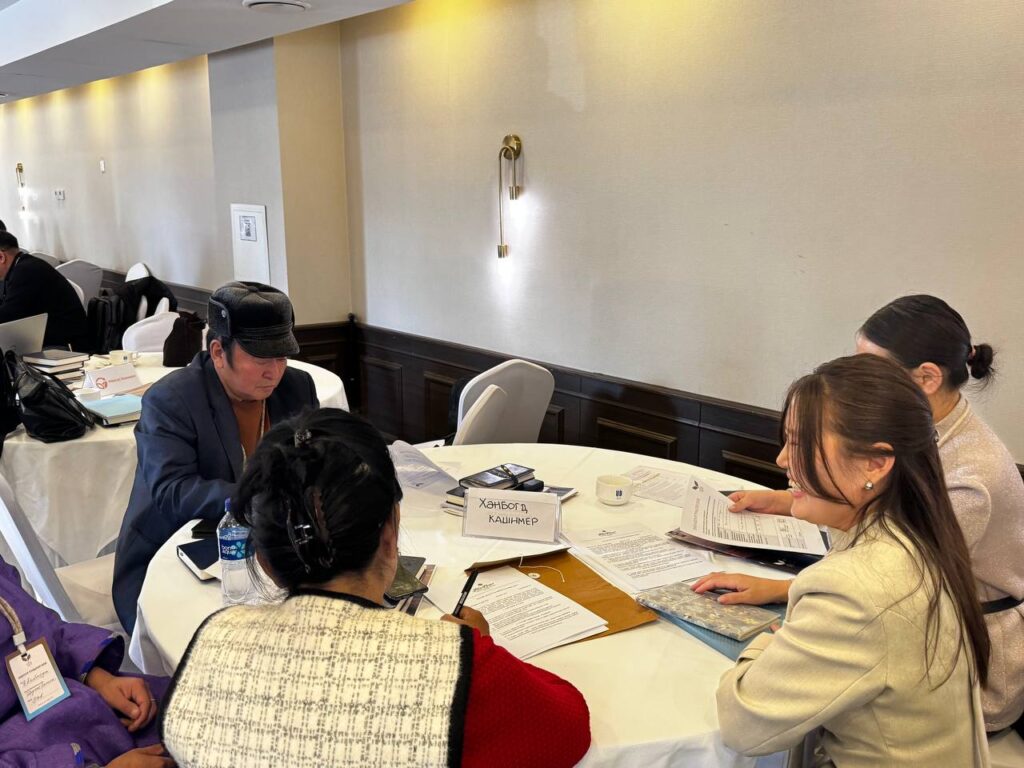
Representatives from SFA Member organisations, including Khanbogd Cashmere, Nomgon Cashmere, Monital Cashmere, Gobi Aigar, Jin Corona, Urnukh Golomt, Goyol Cashmere, and Top Shine, participated in the training. They received information and exchanged views on the implementation of the SFA standards, sustainable production practices, and ways to improve supply chain transparency.

To begin, general information was provided on the activities of the SFA, focusing on the programmes and standards implemented in collaboration with SFA Member organisations. This highlighted the importance of participation and cooperation from processing industries in supporting the sustainable development of the sector.

Participants were introduced to the key requirements, objectives, scope, and core principles of the SFA Animal Fibre Standard (AFS) applied in livestock production by herders and cooperatives. This session also helped newly joined processors gain a clearer understanding of the standard.

Mr Z. Uuganbayar, Director of the Primary Processing Plant at Khanbogd Cashmere, shared his experience in using renewable energy and energy-efficient solutions. He presented opportunities for reducing production costs and minimising environmental impact.

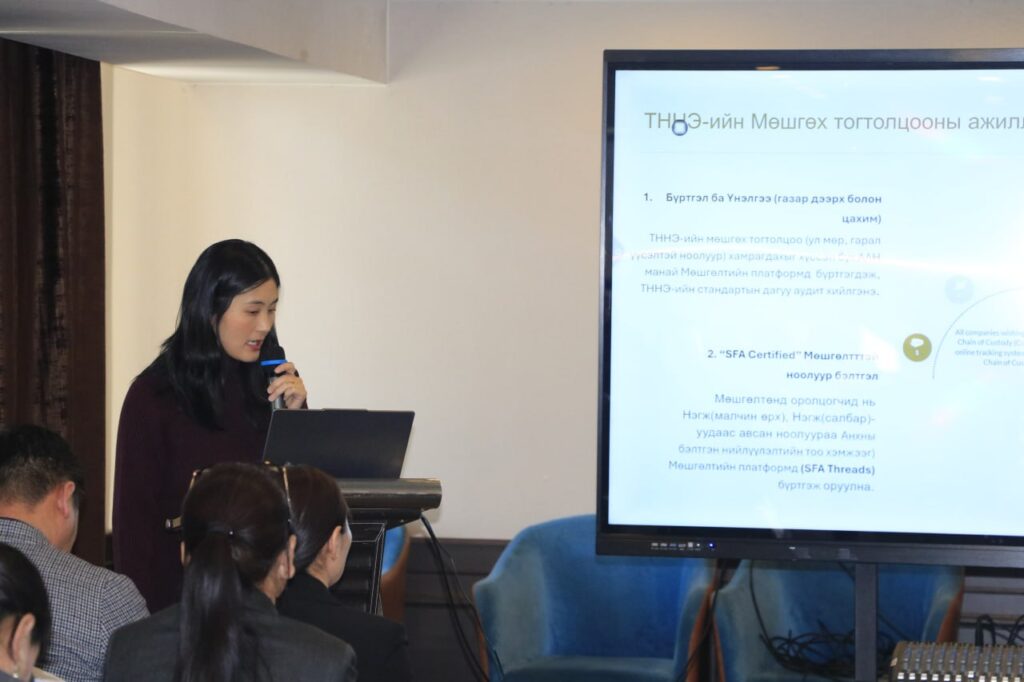
In addition, participants were introduced to the requirements and implementation of the SFA Chain of Custody (CoC) Standard, which plays a crucial role in ensuring supply chain transparency and traceability, as well as verifying product origin. Detailed information was provided on the process of recording and verifying data from raw materials through to the final product. As part of this, processors received practical guidance on entering information, maintaining records, and reporting through the soon-to-be-launched SFA Threads traceability platform, helping them gain a better understanding of how to use the system.

At the end of the training, a question-and-answer discussion was held among the participants, where views were exchanged on the implementation of the standards system, issues encountered during the practical implementation of the data registrations and tracking system, and future cooperation.

All trainings and events organised by the SFA are open to SFA Members, Chain of Custody Participants, and other industry stakeholders. If you would like to learn more about the SFA standards and programmes, please visit the SFA Training Sessions section of the website.

Translated by Tamir Bud

SFA COMMUNICATIONS OFFICER

26 March 2026

Originally posted on 9 March 2026: https://sustainablefibre.mn/sfa-training-sessions-march-2026/ 

UK Parliamentary Reception Highlights Global Momentum for Rangelands Ahead of COP17

Posted by Katy Edwards

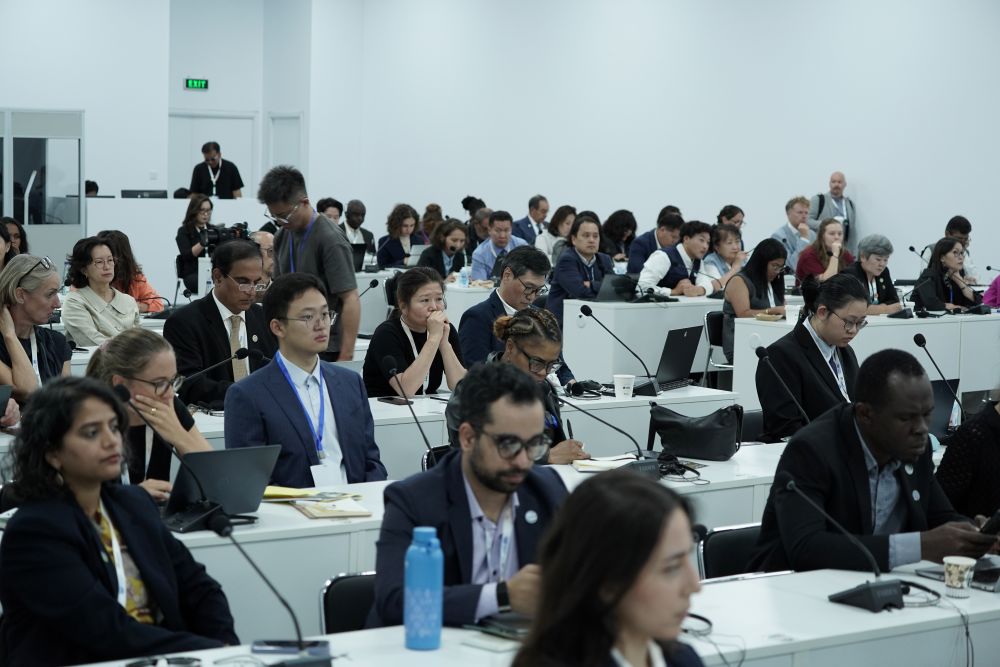
UK Parliament Reception Draws 160+ Global Leaders to Elevate Rangelands Ahead of UNCCD COP17

High-level event at the House of Lords reinforces political momentum for rangelands during the International Year of Rangelands and Pastoralists.

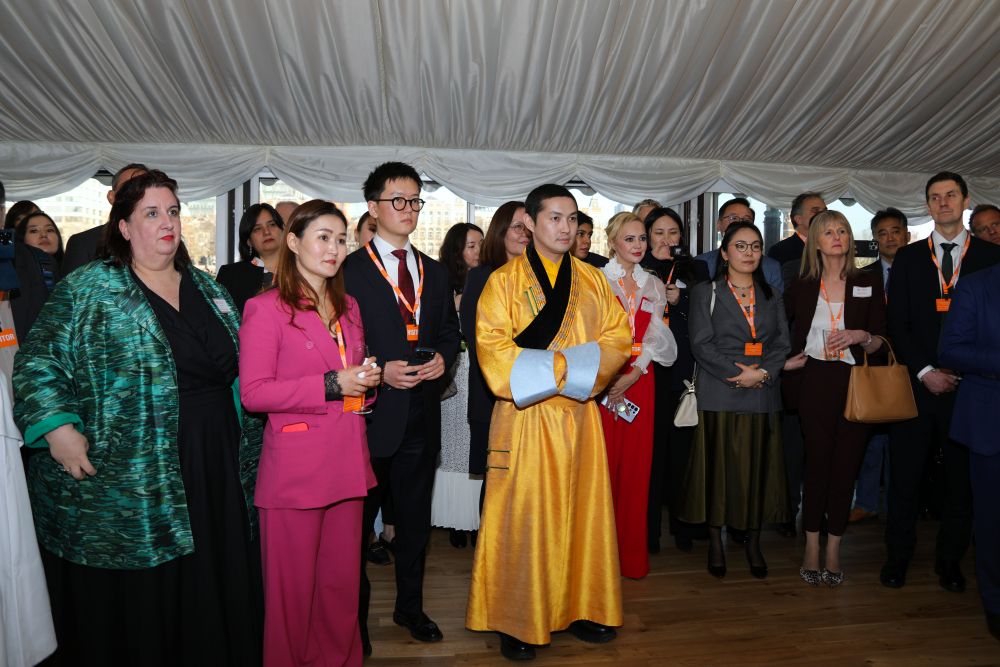
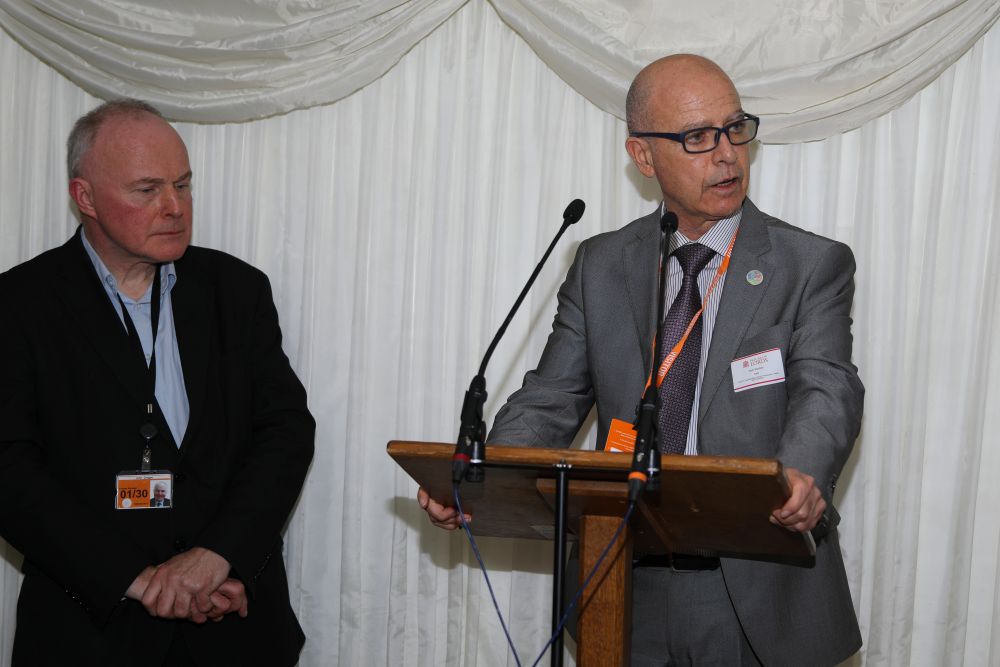
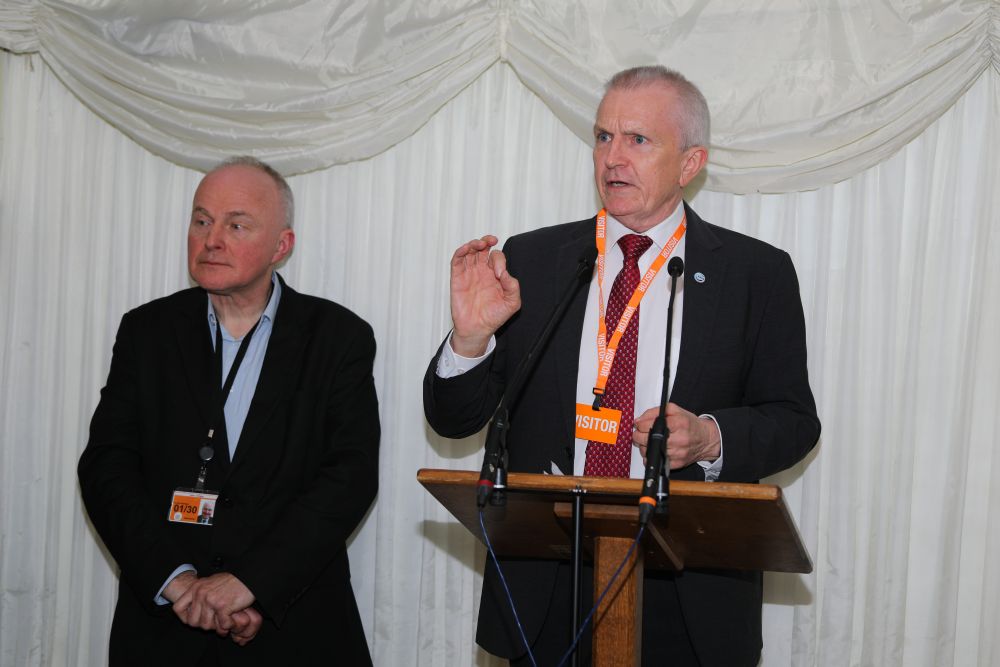
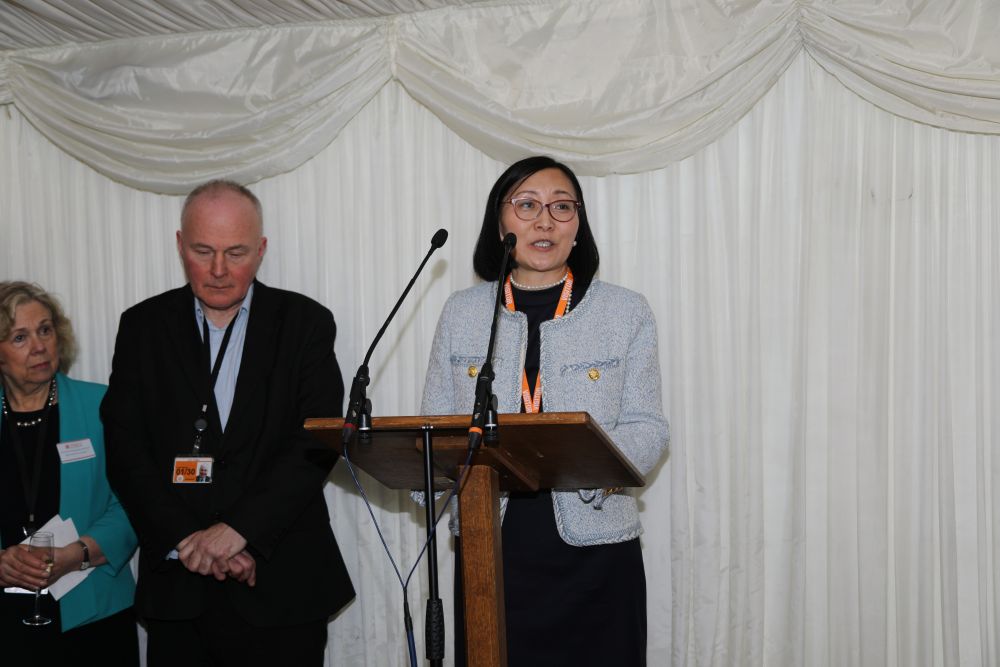
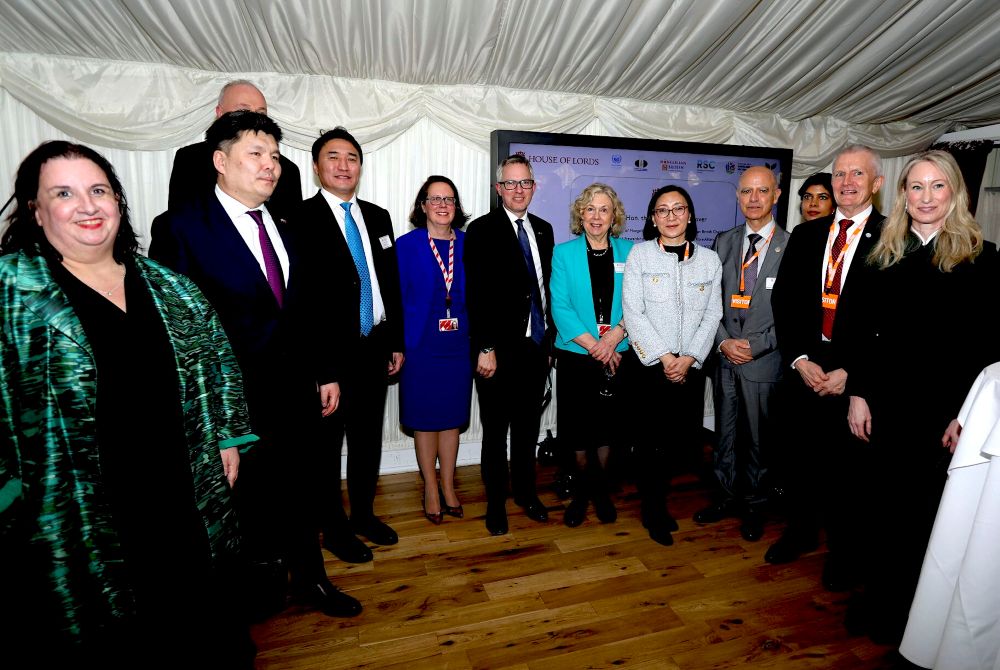
London, UK – More than 160 parliamentarians, diplomats, multilateral representatives, industry leaders, students, and civil society partners gathered at the House of Lords on 25th February 2026 for a high-level Parliamentary Reception marking the UK launch of COP17 of the UN Convention to Combat Desertification (UNCCD) and celebrating the International Year of Rangelands and Pastoralists (IYRP 2026).

Held in the Cholmondeley Room and Terrace, the reception brought together eight international speakers and one virtual address, underscoring growing political and multilateral commitment to safeguarding the world’s rangelands ahead of COP17 in Ulaanbaatar, Mongolia, later this year.

Opening the Dialogue: Political & Diplomatic Leadership

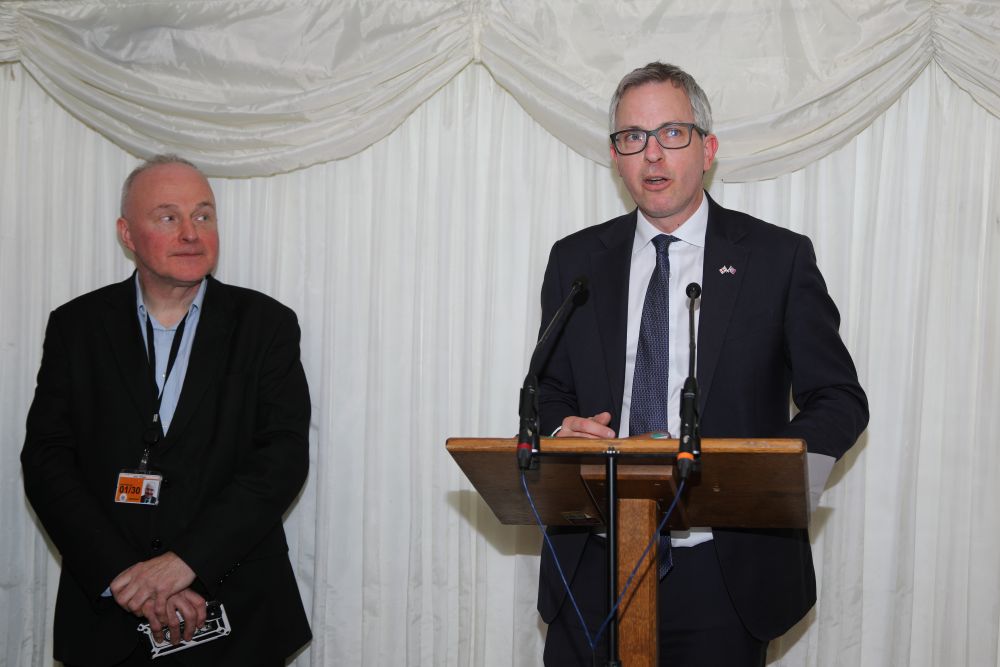
The event was opened by the Rt Hon. The Baroness Northover, who highlighted both the urgency of desertification and the significance of Mongolia hosting COP17:

“Mongolia is one of the countries most affected by desertification, so it’s therefore excellent to see that this year the UN’s COP17, which aims to combat that, is being convened in Mongolia, in this, the International Year of Rangelands and Pastoralists.”

James Wild MP, Chair of the All-Party Parliamentary Group (APPG) on Mongolia, emphasised the strengthening relationship between the United Kingdom and Mongolia:

“Today also shows a strengthening of our two countries’ relations as more important than ever… Particularly as Mongolia prepares to host COP17 and 2026 is the Year of the Fire Horse… I wish Mongolia all the best in making a success of COP17.”

Mongolia as COP17 Host: Stepping Forward

H.E. Enkhsukh Battumur, Ambassador of Mongolia to the United Kingdom, reaffirmed Mongolia’s commitment to inclusive progress and that efforts need to step up to tackle climate change, biodiversity loss and land degradation. And most importantly, progress must be inclusive – young people, women, and indigenous communities are all leaders.

Ambassador Enkhsukh highlighted the Mongolian Government’s ‘Steppe Action Agenda’ as COP17’s legacy framework, which unites three key initiatives: the Rangeland Flagship, the Water-Land Nexus, and Nature-based Solutions for Sustainable Infrastructure.

The reception included a symbolic virtual handover of the COP Presidency torch from Saudi Arabia to Mongolia, marking the transition toward COP17.

H.E. Damdinyam Gongor, Minister of Industry and Mineral Resources of Mongolia, underscored national responsibility:

“The challenge unites us, and somebody should take the torch and lead the battle. For this time, it’s Mongolia, it’s our motherland… We are taking ESG and TMS, a lot of standards, which are appropriate and environmentally friendly. We are trying to as much as leave behind small footprints on our motherland.”

Rangelands at the Heart of the Global Land Agenda

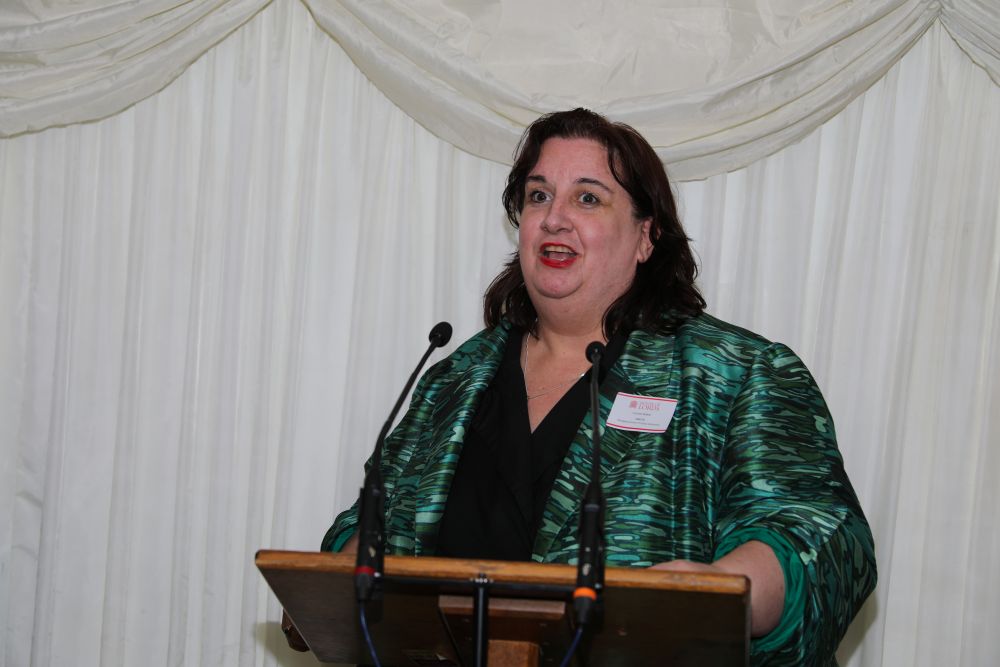
Representing the UNCCD, Louise Baker, Managing Director of the Global Mechanism, emphasised the scale and significance of rangelands:

“UN years have a tendency to just pass unnoticed… We are absolutely determined, and I think with our Mongolian hosts and many of the stakeholders in the sector are on rangelands, to make COP a moment where this year becomes reality.”

Baker further noted:

“The management of this 40% of the world’s land, around the world, is critical for our collective future. What we define in Mongolia will make a difference about whether this is something that just passes and is a year, and we talked about it, and it was nice, or we made a real impact, we had a pipeline of projects, and we changed the world.”

Dr Osama Ibrahim Faqeeha, Deputy Minister of Environment Affairs at the Ministry of Environment, Water and Agriculture of Saudi Arabia and representative of the COP16 Presidency, reflected during a virtual address the lessons from COP16 and the need for sustained political commitment to land degradation and drought resilience.

Pastoralists: Part of the Solution

Badi Besbes, Chief of Sustainable Animal Production, Feed and Genetics at the Food and Agriculture Organization (FAO) and representative of the International Year of Rangelands and Pastoralists, highlighted the enduring role of pastoralist communities:

“For millennia, pastoralists have managed rangelands across steppes, across savannas, desert and wetland, and forest, and highlands… Through their livestock, pastoralists provide nutritious food for millions of people.”

Besbes stressed:

“In the world, we search for solutions to climate change, to biodiversity loss, to land degradation – pastoralists are not a part of the problem, they are part of the solutions. The International Year is an important milestone, but it’s only the beginning.”

Besbes also reminded attendees that 2026 marks the International Year of the Woman Farmer, noting that women represent 41% of the global agricultural workforce and play a critical role in pastoral systems.

Stewart Maginnis, Deputy Director General of IUCN, described land degradation as:

“The forgotten global crisis… It impoverishes, it drives conflict, it drives economic migration, and it both reinforces and is reinforced by climate change and biodiversity loss. So, we’ve really got to take land degradation seriously. The good news is there are solutions, there are frameworks.”

Maginnis emphasised that nature-based solutions are ready to be deployed at scale, calling for sustained political leadership and collaboration.

From Momentum to Mechanisms

Closing the formal programme, Una Jones, CEO of the Sustainable Fibre Alliance (SFA) and Executive Director of the Rangeland Stewardship Council (RSC), highlighted the urgency of coordinated action:

“The latest planetary health check shows that we are now transgressing seven of the nine planetary boundaries, and unsustainable land use is a major driver. The question is no longer why rangelands matter. It’s how we act together at scale.”

Jones outlined ongoing efforts to strengthen responsible management, including the development of a Global Rangeland Standard and proposals for a Global Rangeland Fund to mobilise finance for sustainable land stewardship and pastoral livelihoods.

Quoting Sir David Attenborough, Jones concluded:

“If working apart we are powerful enough to destabilise our planet, surely working together we are powerful enough to save it.”

The reception concluded with a performance of traditional Mongolian music on the morin khuur (horse-head fiddle), symbolically connecting culture, landscape and heritage.

Key Figures from the Parliamentary Reception

  • 160+ in-person guests
  • 8 in-person speakers and 1 virtual address
  • Senior representatives from UNCCD, FAO, IUCN and the COP16 Presidency
  • UK parliamentary, diplomatic and private-sector participation

Building Toward COP17

By convening leaders across diplomacy, science, policy, industry, education and civil society within the UK Parliament, the reception reinforced growing international consensus that safeguarding rangelands is integral to climate resilience, biodiversity conservation and sustainable livelihoods.

As preparations continue for COP17 in Ulaanbaatar, Mongolia, this August, the reception marked an important milestone in the International Year of Rangelands and Pastoralists and strengthened collaboration ahead of key global negotiations.

ABOUT THE UNITED NATIONS CONVENTION TO COMBAT DESERTIFICATION (UNCCD)

The United Nations Convention to Combat Desertification (UNCCD) is a multilateral agreement dedicated to addressing desertification, land degradation and drought, and promoting sustainable land management. Adopted in 1994, the Convention brings together governments, scientists, civil society, and the private sector to support practical solutions that restore land, strengthen livelihoods, and improve the resilience of ecosystems and communities, particularly in dryland regions. With 197 Parties, the UNCCD plays a central role in advancing Land Degradation Neutrality and contributing to the Sustainable Development Goals, fostering international cooperation, knowledge exchange, and investment in sustainable land use worldwide. https://www.unccd.int/

ABOUT THE EMBASSY OF MONGOLIA IN THE UNITED KINGDOM

Opened in 1969 following the establishment of diplomatic relations between Mongolia and the United Kingdom in 1963 – when the UK became the first Western country to recognise Mongolia’s independence – the Embassy of Mongolia in the United Kingdom serves as the official diplomatic mission of the Government of Mongolia to the UK. The Embassy’s core mission is to strengthen and expand Mongolia-UK bilateral relations across political, economic, cultural, and educational spheres, while safeguarding the interests and welfare of Mongolian citizens in the United Kingdom and Ireland. The Embassy is also accredited to Ireland. Through active engagement with the UK Government, Parliament, civil society, and the private sector, the Embassy promotes mutually beneficial cooperation in areas such as trade and investment, sustainable development, cultural exchange, and regional and international security. Committed to fostering deeper mutual understanding and long-term partnership, the Embassy also facilitates people-to-people ties by supporting academic collaboration, cultural initiatives, and community outreach. Learn more about the Embassy’s work and services at: https://embassyofmongolia.co.uk

ABOUT THE MONGOLIAN BRITISH CHAMBER OF COMMERCE

The Mongolian British Chamber of Commerce (MBCC) is a not-for-profit membership organisation established in 2009 to strengthen business relations between Mongolia and the United Kingdom. The Chamber provides a professional and collaborative platform for companies and individuals seeking to engage with, and contribute to, the British-Mongolian business community. Through networking events, partnerships, and knowledge exchange, the MBCC supports trade, investment, and long-term commercial cooperation between the two countries. For further information, visit: https://mongolianbritishcc.org.uk/contact/

ABOUT THE RANGELAND STEWARDSHIP COUNCIL

The Rangeland Stewardship Council (RSC) is a global, multi-stakeholder platform advancing responsible rangeland management. Through its initiatives, the RSC brings together pastoralists, scientists, policymakers, and private-sector actors to share knowledge, mobilise investment, and support action that protects and restores rangelands while sustaining livelihoods. By linking science, traditional knowledge, policy, and markets, the RSC strengthens recognition of rangelands and the communities who manage them. The RSC operates through international collaboration with partners including the United Nations Convention to Combat Desertification (UNCCD), the Sustainable Fibre Alliance (SFA), International Centre for Research in Agroforestry (ICRAF), Natural Fibre Connect (NFC), and the Global Environment Facility (GEF)-funded STELARR project, implemented by IUCN and executed by ILRI and partners, with additional support from the European Commission. For more information, visit www.rangelandstewardship.org

ABOUT THE SUSTAINABLE FIBRE ALLIANCE (SFA)

Founded in 2015, the SFA is a non-profit standards-holding and membership organisation. They represent a global alliance of supply chain actors, stakeholders, and industry experts with a vision for a responsible and inclusive global natural fibres sector that safeguards the health and well-being of people, animals and the environment. Working with the end-to-end supply chain, the SFA connects livestock herders in Mongolia and China to brands and retailers in the global fashion industry. The SFA Animal Fibre Standard outlines five global principles for responsible cashmere production, these are: effective management, decent work, biodiversity and land use, animal welfare, and fibre quality improvement. Discover more about the SFA’s standards system and programmes on their website: https://sustainablefibre.org/

ABOUT THE INTERNATIONAL YEAR OF RANGELANDS & PASTORALISTS (IYRP)

2026 is the International Year of Rangelands and Pastoralists (IYRP), proclaimed by the United Nations General Assembly to raise awareness of the vital role that rangelands and pastoralist communities play in sustaining ecosystems, supporting livelihoods, and contributing to food security, biodiversity conservation and climate resilience. Coordinated globally by the Food and Agriculture Organization of the United Nations (FAO), the IYRP brings together governments, research institutions, civil society, pastoralist organizations and the private sector to advance sustainable rangeland management, strengthen pastoralist participation in policy processes, and promote investment, knowledge exchange and practical solutions across regions. https://www.fao.org/rangelands-pastoralists-2026/

Katy Edwards

SFA MARKETING & COMMUNICATIONS MANAGER

13 March 2026

Sustainable Cashmere Begins with People: A Herder-Centred Approach for a Changing Climate

Posted by Katy Edwards

As the world launches the International Year of Rangelands & Pastoralists (IYRP 2026) following its opening event at the FAO headquarters in Rome in December 2025, Mongolia’s rangelands and herding communities stand at the centre of global discussions. These vast landscapes have sustained nomadic pastoralists for centuries, shaping culture, identity, and livelihoods – and supporting one of the world’s most valuable natural fibres: cashmere.

And this sense of responsibility is shared by herders from across Mongolia and Inner Mongolia.

“Since childhood, we are taught to protect the land.”

Ganzorig Altangerel
Mongolian Herder Cooperative Leader

How Our Values Create Value

As a charity, we are guided first and foremost by our values. They shape how we listen, how we collaborate, how we work to create lasting change, and how we support herding communities to build resilience in the face of climate and market uncertainty.

Our vision is a responsible and inclusive global natural fibres sector that safeguards the health and well-being of people, animals, and the environment. Our mission is to drive positive change in natural fibre value chains by empowering herding communities, promoting responsible sourcing, and supporting regenerative grazing practices. It is our values, however, that bring this mission to life.

  • We are GROUNDED in pastoral realities, ensuring our work remains rooted in the lived experiences of nomadic herders and the ecological realities of rangelands.
  • We are COLLABORATIVE, scaling impact through partnerships across communities, markets, and institutions.
  • We are IMPACT DRIVEN, focused on practical action that aims to strengthen livelihoods, animal welfare, and ecosystem health.
  • And we are CONTINUOUSLY LEARNING, adapting through reflection and innovation to support continuous improvement and best practice.

Through this values-led approach, we work towards systemic change by creating two interconnected forms of value. First, intrinsic value: healthy rangelands support healthy livestock, which sustain herding families and ecosystems. Land, animals, and people are interdependent – strengthening one strengthens all. Second, extrinsic value: supporting livelihoods through improved market access, access to finance, and long-term partnerships. By improving economic resilience, we enable communities to continue stewarding their landscapes in a changing climate.

Sustainable cashmere begins with people. By working with herders – not around them – we support positive change in animal welfare and environmental stewardship through continuous improvement. What drives us, and ultimately shapes lasting transformation, is our commitment to herding communities and the landscapes they care for.

A Decade of Partnership & Community Collaboration

For over ten years, we have worked within pastoral communities to strengthen cooperative governance, promote good rangeland stewardship, and improve market access. Our approach is grounded in nutag, a Mongolian concept meaning “homeland” or “homeplace” – capturing not only geography, but belonging, ancestral ties, and the deep relationship between people, animals, and land.

Nutag guides how we listen, how we collaborate, and how we support community-led decision-making. Alongside nutag, our work is anchored in the One Health approach, recognising that ecosystems, animals, and people are deeply interconnected.

This philosophy has shaped our long-standing partnerships with organisations and institutions like the Government of Mongolia, the UN Convention to Combat Desertification (UNCCD), the Food & Agriculture Organisation (FAO), the Global Environment Facility (GEF), researchers, processors, brands, and producer communities – working together to strengthen rangeland governance, climate adaptation, and sustainable production.

“Prior to being involved with the SFA, our cooperative didn’t work collaboratively, so we’d each sell direct to the traders, and they’d determine the price, while now we supply it to the cooperative and work together to strengthen our position.”

Burmaa L.
Mongolian Herder Cooperative Leader

Supporting Herders Across Mongolia & Inner Mongolia's Rangelands

Today, the SFA supports more than 160,000 herders and community members across Mongolia and Inner Mongolia. While only a small proportion of herders are currently certified, the scope of our work reaches far beyond certification. We support the wider system – because sustainable change must be enabled across entire landscapes.

A key example of our continued support, and one we are most proud of, is our long-term partnership with Khan Bank, which created Mongolia’s first Green Loan programme for herder cooperatives. This low-interest financing supports climate resilience by enabling herders to invest in fodder, winter shelters, veterinary care, or improved grazing management – reducing reliance on high-risk informal lending during difficult seasons.

“Overcoming these climate issues and keeping animal husbandry sustainable, we have several programmes and financial programmes on this. But since the cashmere alone makes up almost 70% of households’ income, with this income we have to do everything, like paying our children’s school fees and all other things… the Mongolian Government issued soft loans, but because of this shortage of properties to provide as a collateral, we are not able to get that additional funding to improve our livelihoods and to spend the money on livestock husbandry.”

Altansukh Tumee
Mongolian Cashmere Herder

A Global Moment for Rangelands & Pastoralists

December’s official launch of the International Year of Rangelands & Pastoralists (IYRP 2026) at the FAO headquarters in Rome, along with the Mongolia Presidency visit to Italy, marked a significant moment for global recognition of pastoral systems. The rangelands in Mongolia are among the world’s most important dryland ecosystems, yet they face increasing pressure from climate change, which reports show is impacting the country at an exceptionally fast rate.

As global attention turns to these landscapes, we will continue to champion community-led stewardship, evidence-based action, and partnerships that strengthen both ecosystems and livelihoods.

Looking Ahead

Our continued commitment is simple but powerful: to champion sustainable cashmere in a way that honours culture, strengthens communities, safeguards ecosystems, and supports the people who care for Mongolia’s rangelands every day.

As we move through 2026, guided by nutag and grounded in our partnerships, we remain focused on creating real, lasting change – for herders, for landscapes, and for the future of sustainable cashmere.

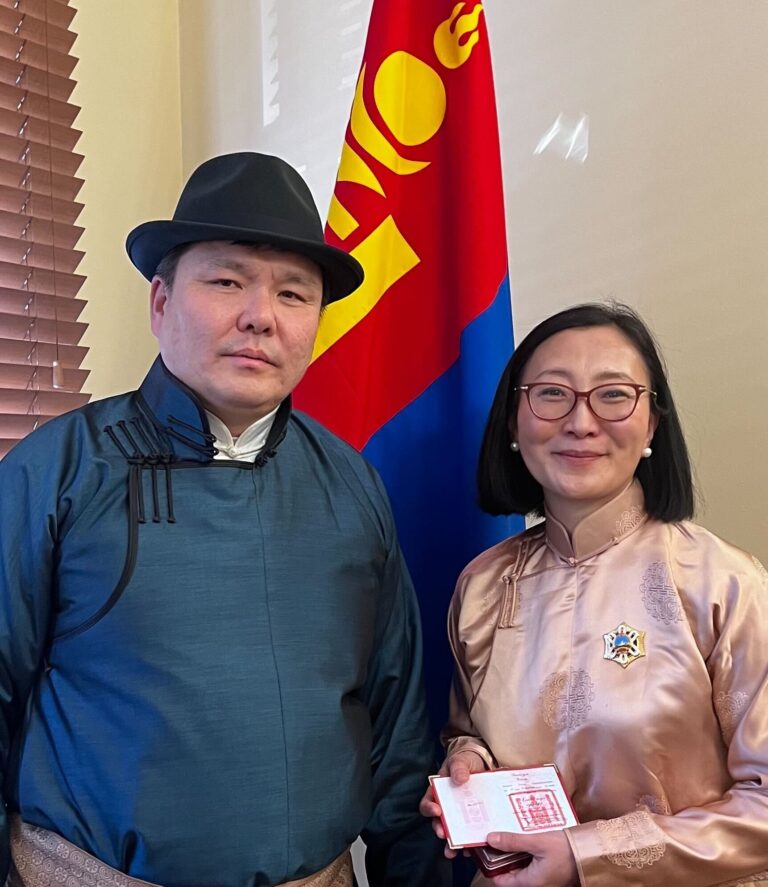
Una Jones, SFA’s CEO, received the prestigious Altan Gadas Odon, or Order of the Polar Star, state award from the President of Mongolia in March 2025.

Katy Edwards

SFA MARKETING & COMMUNICATIONS MANAGER

13 February 2026

Cashmere Connect 2026 | Strengthening Responsible Cashmere Supply Chains

Posted by Katy Edwards

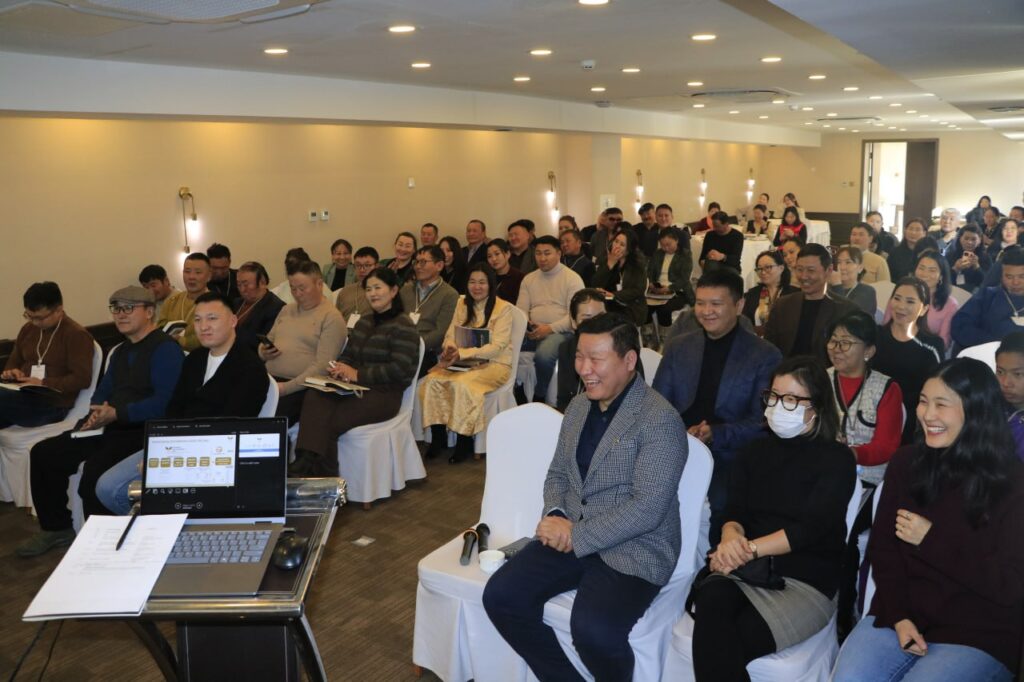
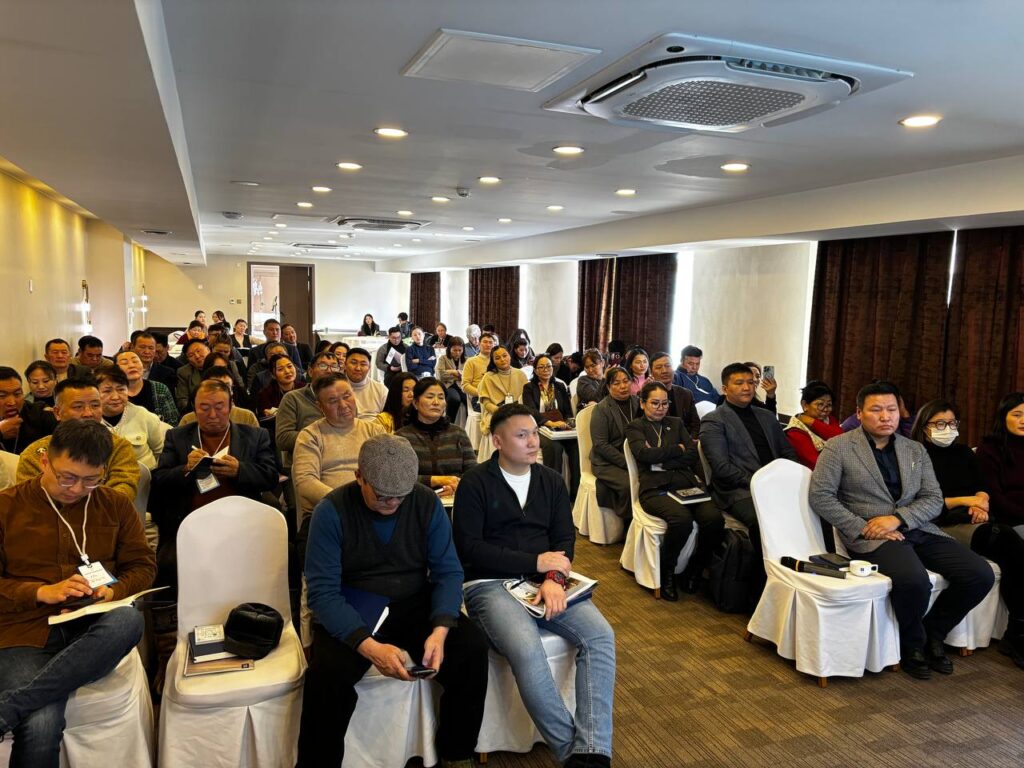
The 2026 Cashmere Connect event was successfully convened, bringing together key actors across Mongolia’s certified cashmere value chain to strengthen market linkages, transparency, and responsible sourcing practices.

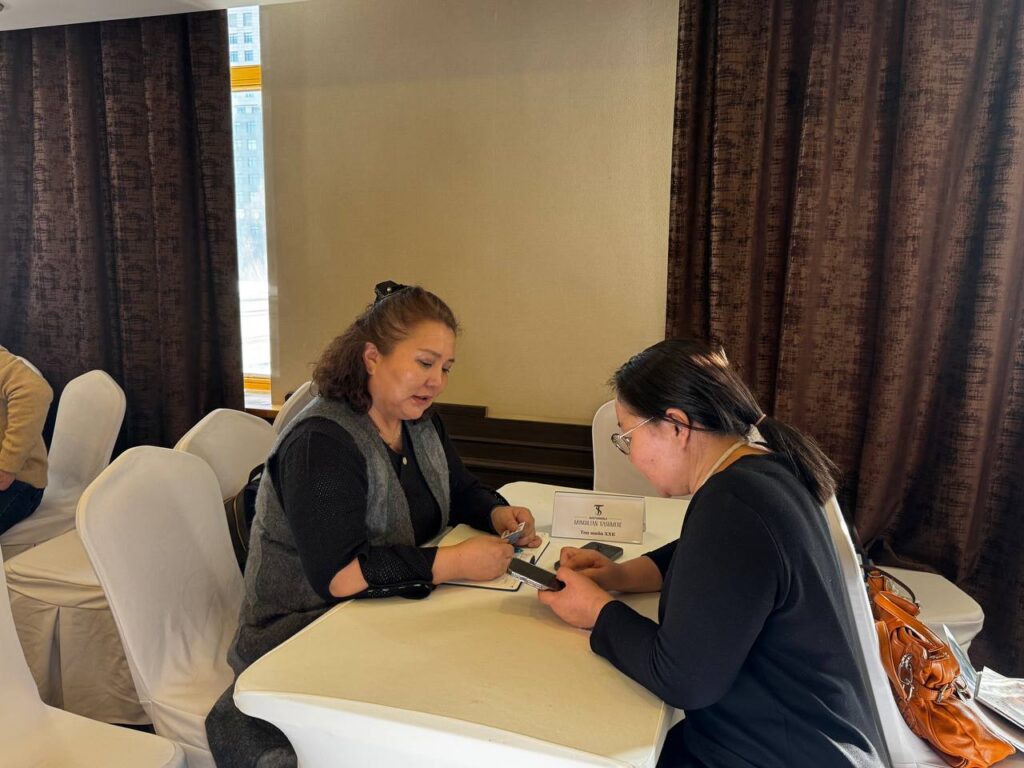
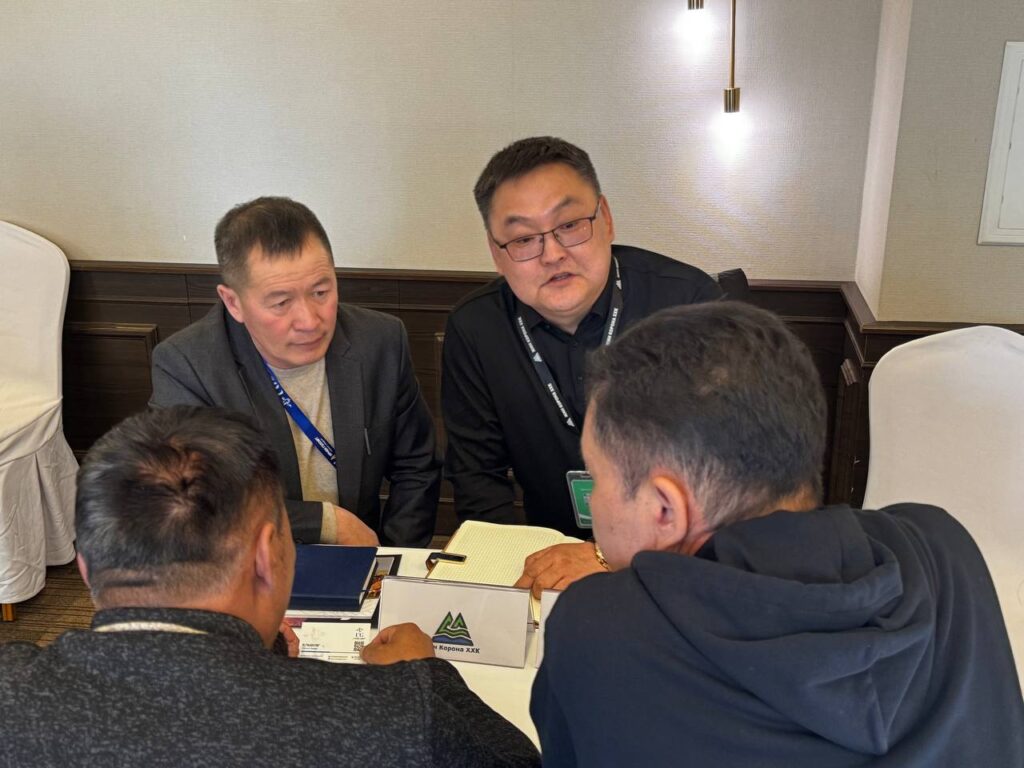
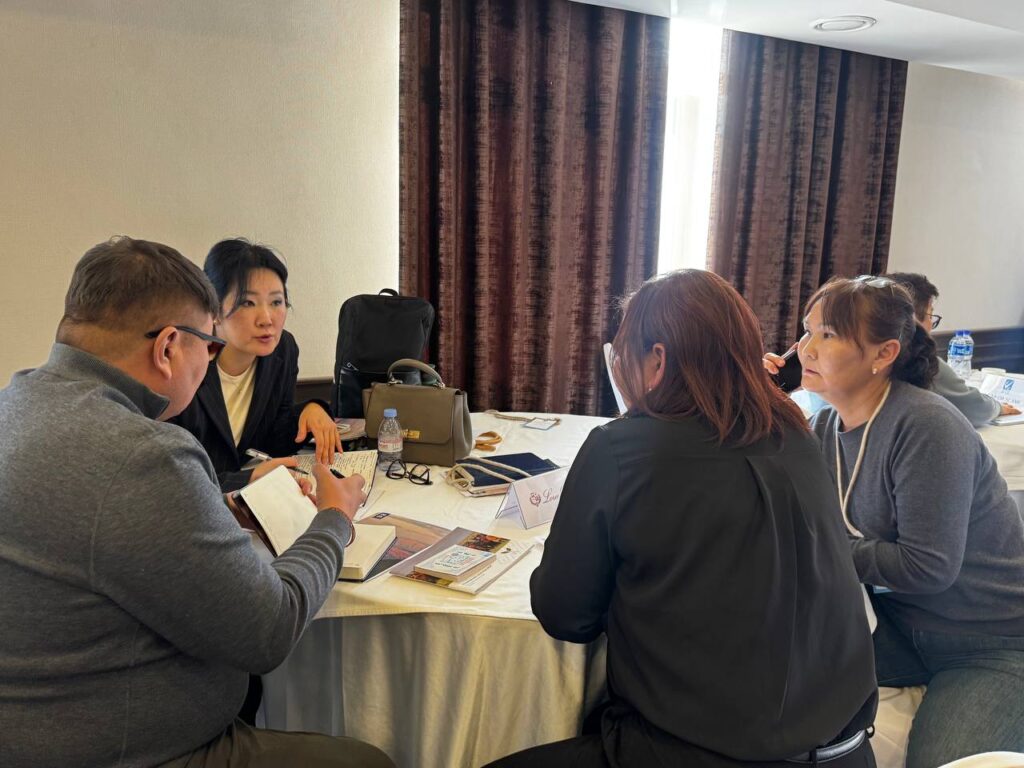
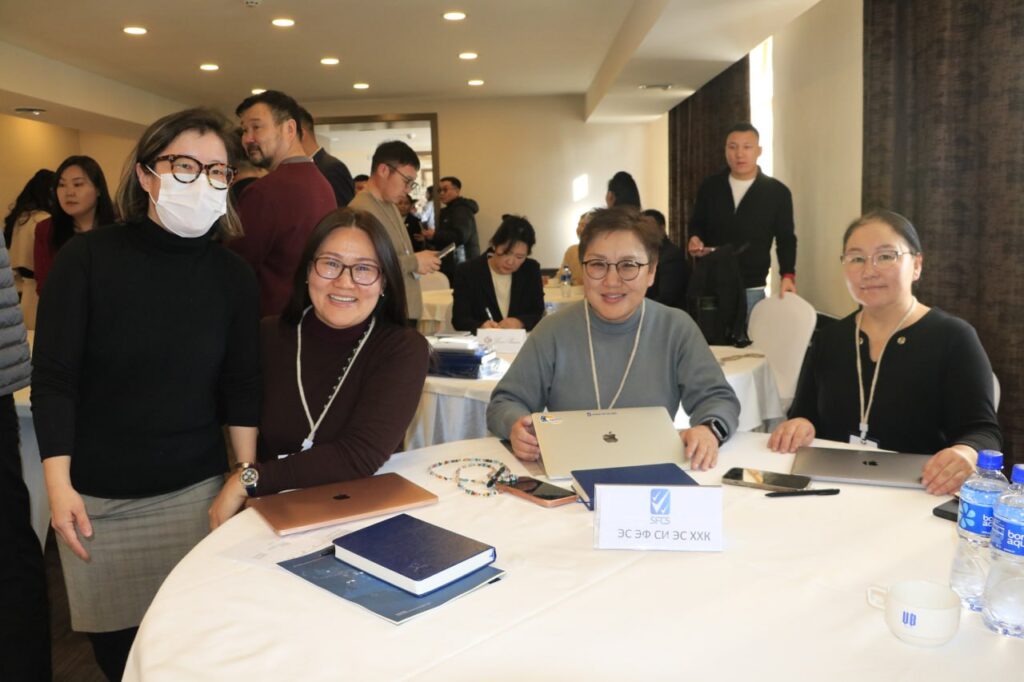
Designed as a targeted matchmaking platform, the event connected herder cooperatives participating in the Sustainable Fibre Alliance (SFA) certified supply chain with SFA member processing companies, buyers, and independent Conformity Assessment Bodies (CABs). The format enabled structured, short-format business meetings focused on partnership development and market access.

Participation & Reach

  • 36 herder cooperatives (44 representatives)
  • 11 processing companies (19 representatives)
  • 2 accredited Conformity Assessment Bodies (6 representatives)
  • Over 70 total sector professionals

This cross-sector engagement reinforces collaboration between producers and market actors, strengthening inclusive supply chains that support sustainable livelihoods and environmental stewardship.

Strengthening Systems & Transparency

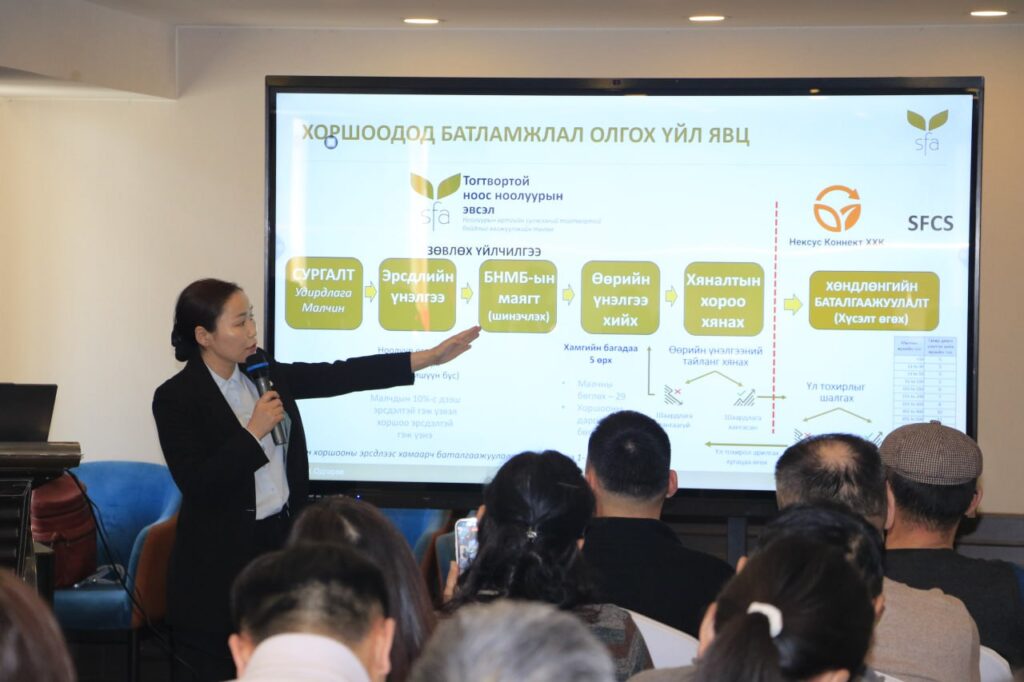
During the event, SFA Mongolia presented its 2025 operational results, highlighting measurable progress in cooperative engagement, certification uptake, and capacity development initiatives.

A key milestone shared with participants was the rollout of SFA Threads, a new digital traceability and monitoring system developed on the ChainPoint platform. The system:

  • Records the origin and movement of certified cashmere
  • Enables integrated data exchange across supply chain actors
  • Enhances transparency and accountability
  • Builds market confidence in certified fibre

The implementation of SFA Threads represents a significant step toward a scalable, technology-enabled traceability infrastructure aligned with international due diligence expectations.

Capacity Building & Digital Inclusion

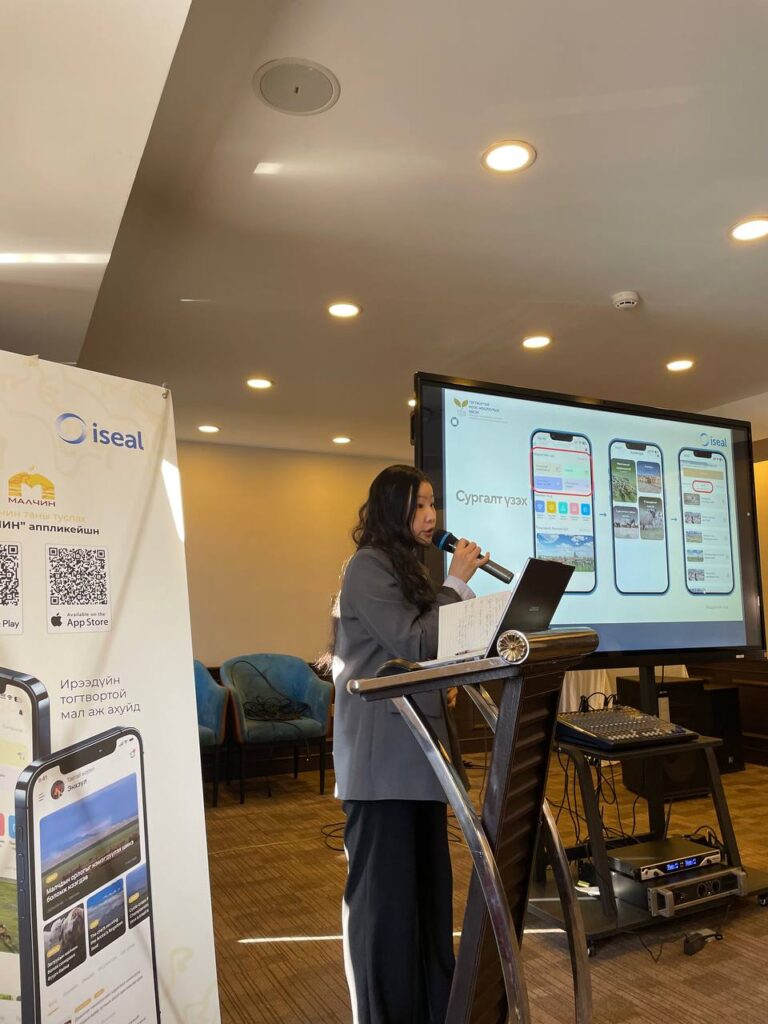
Under the Herder Connect initiative, SFA introduced the Malchin (Herder) mobile application – a comprehensive digital platform providing:

  • Access to SFA standards training
  • Capacity-building modules
  • Advisory services and technical guidance
  • Direct communication and information exchange

This tool strengthens knowledge transfer, improves compliance readiness, and enhances digital inclusion for rural producers.

Advancing Independent Verification

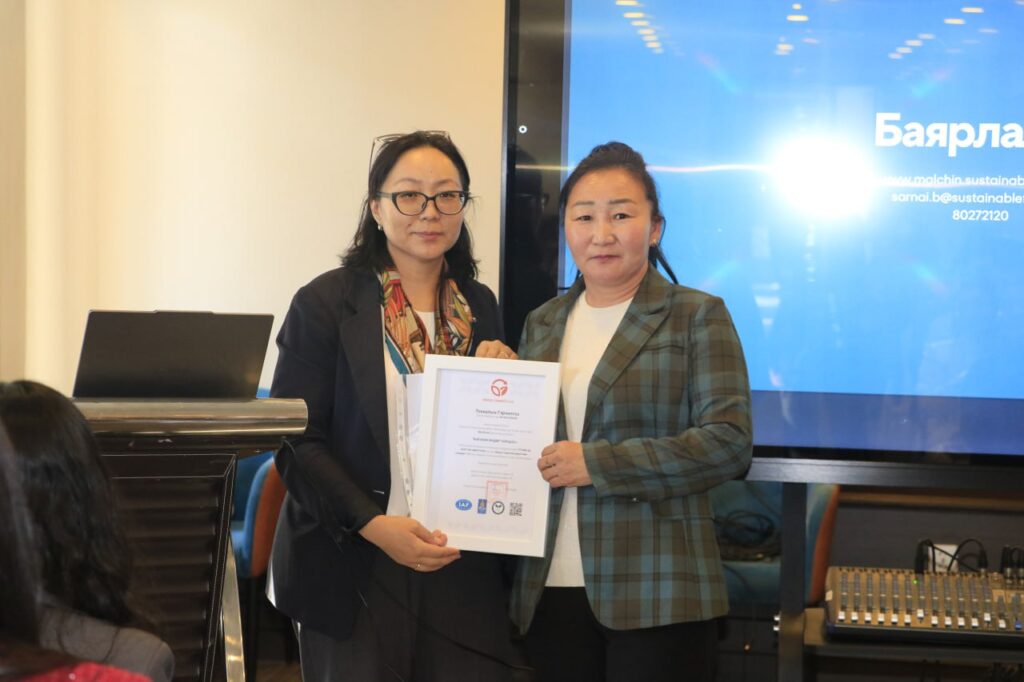
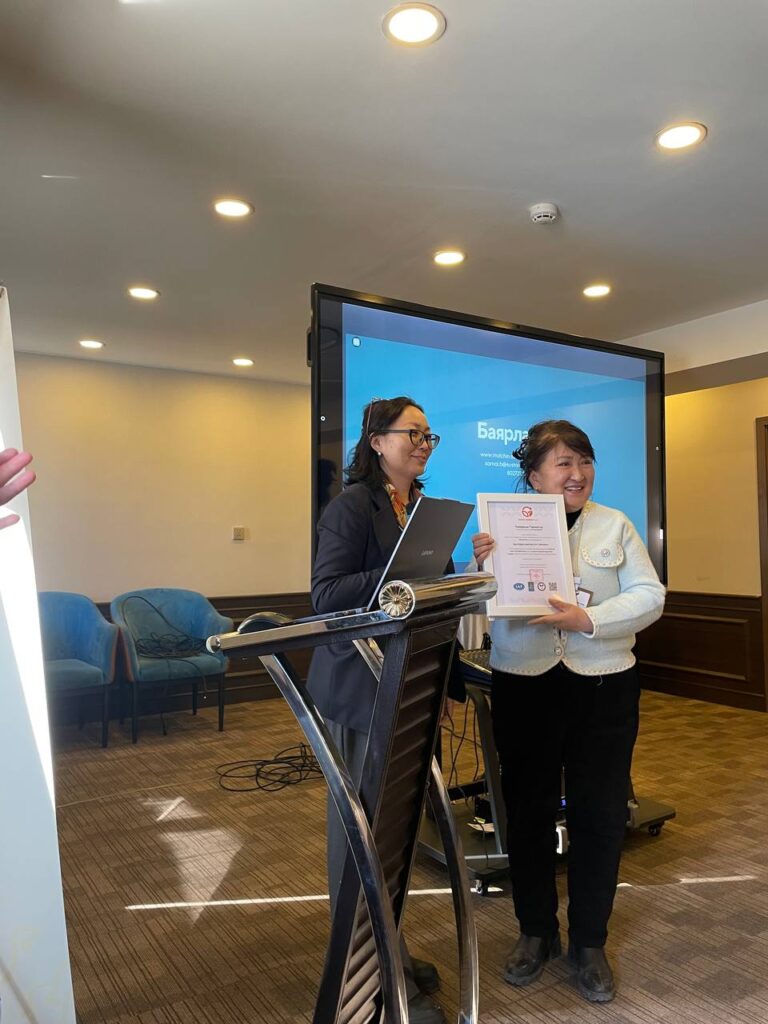
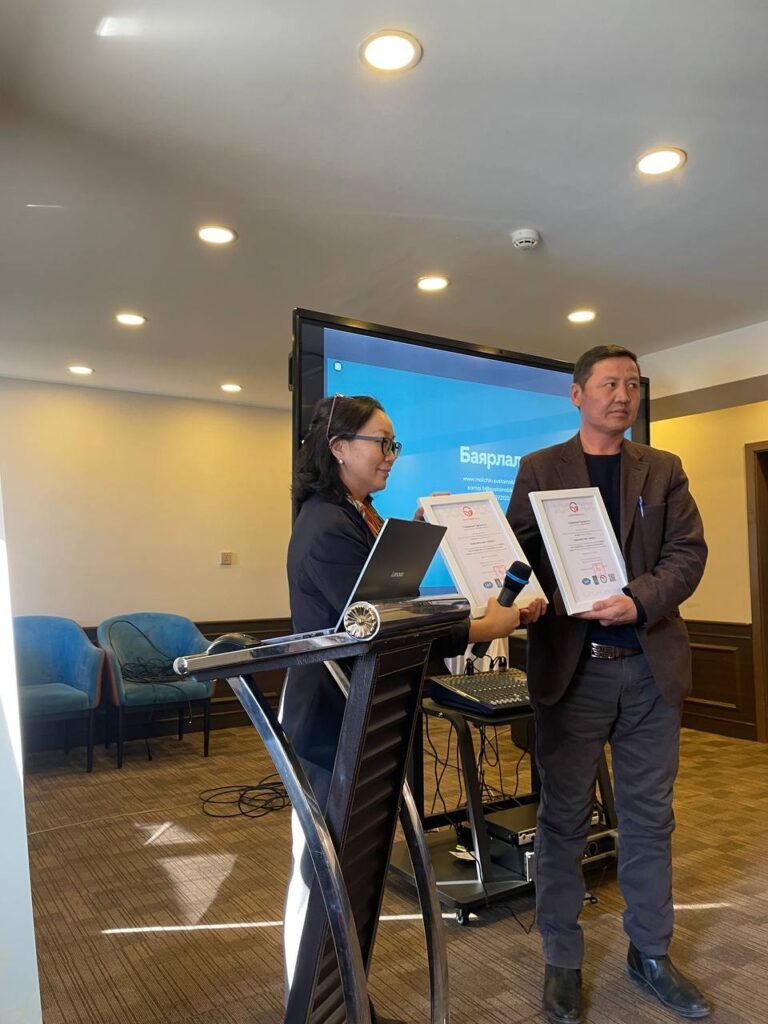
Two accredited CABs – SFCS LLC and Nexus Connect LLC – participated in the event, providing professional guidance on certification processes. During the event, third-party conformity certificates under the SFA Animal Fibre Standard were formally awarded to three cooperatives, reinforcing independent verification and credibility within the supply chain.

Forward Outlook

The SFA will continue to develop Cashmere Connect as a strategic platform to deepen responsible sourcing relationships, expand certified supply, and strengthen transparent, market-based incentives for sustainable rangeland management.

The event demonstrates tangible progress toward:

  • Supporting climate-resilient pastoral livelihoods
  • Strengthening responsible global supply chains
  • Building digital and institutional infrastructure for traceability
  • Enhancing market trust through independent verification

We extend our sincere appreciation to all partners and stakeholders whose collaboration makes this progress possible.

Translated by Tamir Bud

SFA COMMUNICATIONS OFFICER

12 February 2026

Originally posted on 12 February 2026: https://sustainablefibre.mn/cashmere-connect-event-2026/

Malcare WordPress Security