UK Parliament Reception Draws 160+ Global Leaders to Elevate Rangelands Ahead of UNCCD COP17
High-level event at the House of Lords reinforces political momentum for rangelands during the International Year of Rangelands and Pastoralists.
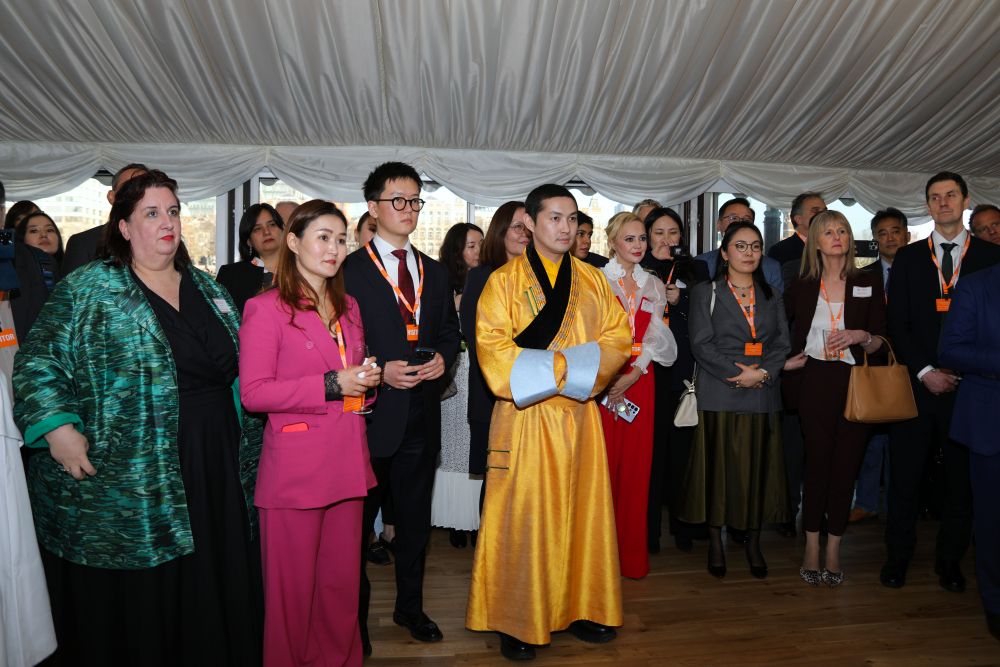
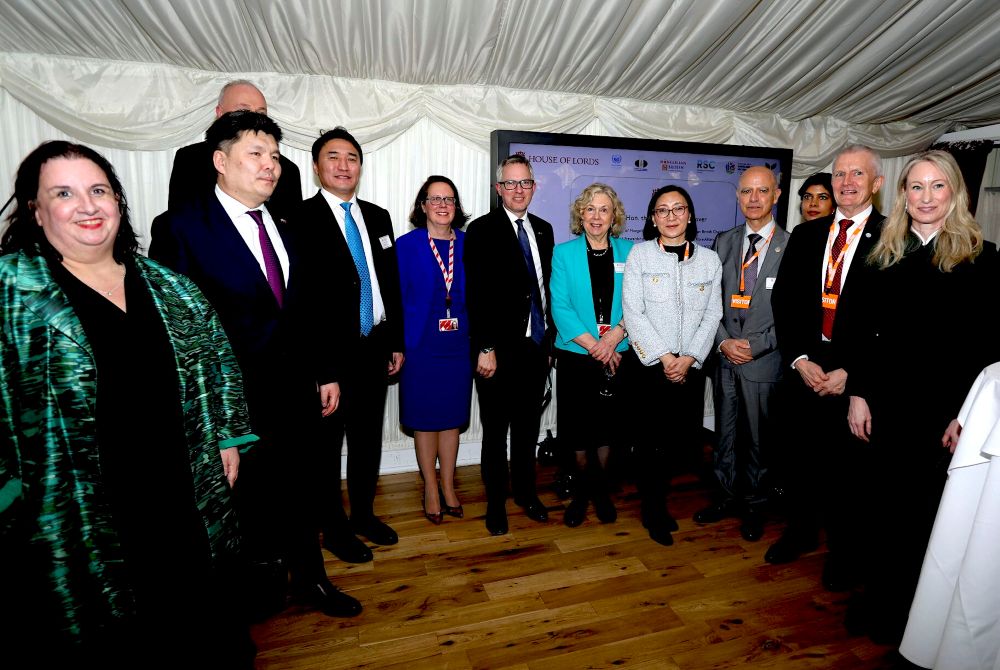
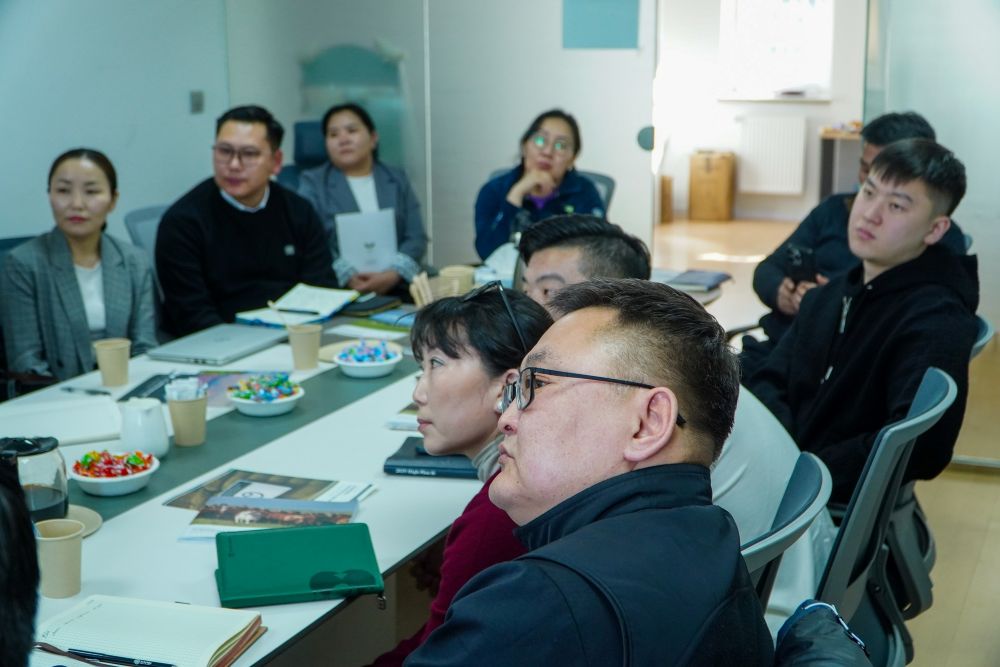
London, UK – More than 160 parliamentarians, diplomats, multilateral representatives, industry leaders, students, and civil society partners gathered at the House of Lords on 25th February 2026 for a high-level Parliamentary Reception marking the UK launch of COP17 of the UN Convention to Combat Desertification (UNCCD) and celebrating the International Year of Rangelands and Pastoralists (IYRP 2026).
Held in the Cholmondeley Room and Terrace, the reception brought together eight international speakers and one virtual address, underscoring growing political and multilateral commitment to safeguarding the world’s rangelands ahead of COP17 in Ulaanbaatar, Mongolia, later this year.
Opening the Dialogue: Political & Diplomatic Leadership
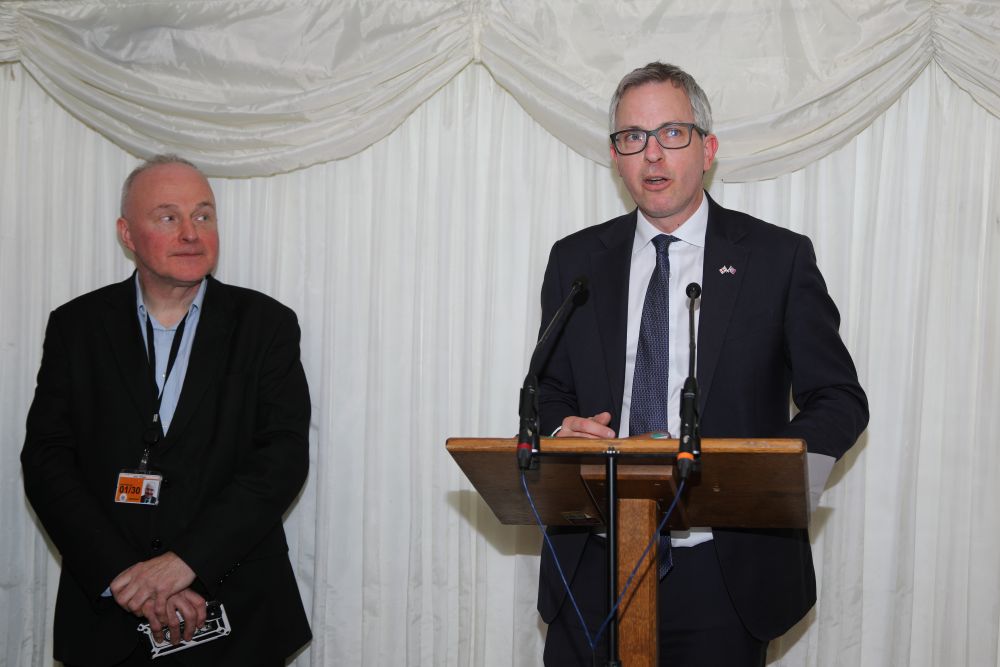
The event was opened by the Rt Hon. The Baroness Northover, who highlighted both the urgency of desertification and the significance of Mongolia hosting COP17:
“Mongolia is one of the countries most affected by desertification, so it’s therefore excellent to see that this year the UN’s COP17, which aims to combat that, is being convened in Mongolia, in this, the International Year of Rangelands and Pastoralists.”
James Wild MP, Chair of the All-Party Parliamentary Group (APPG) on Mongolia, emphasised the strengthening relationship between the United Kingdom and Mongolia:
“Today also shows a strengthening of our two countries’ relations as more important than ever… Particularly as Mongolia prepares to host COP17 and 2026 is the Year of the Fire Horse… I wish Mongolia all the best in making a success of COP17.”
Mongolia as COP17 Host: Stepping Forward
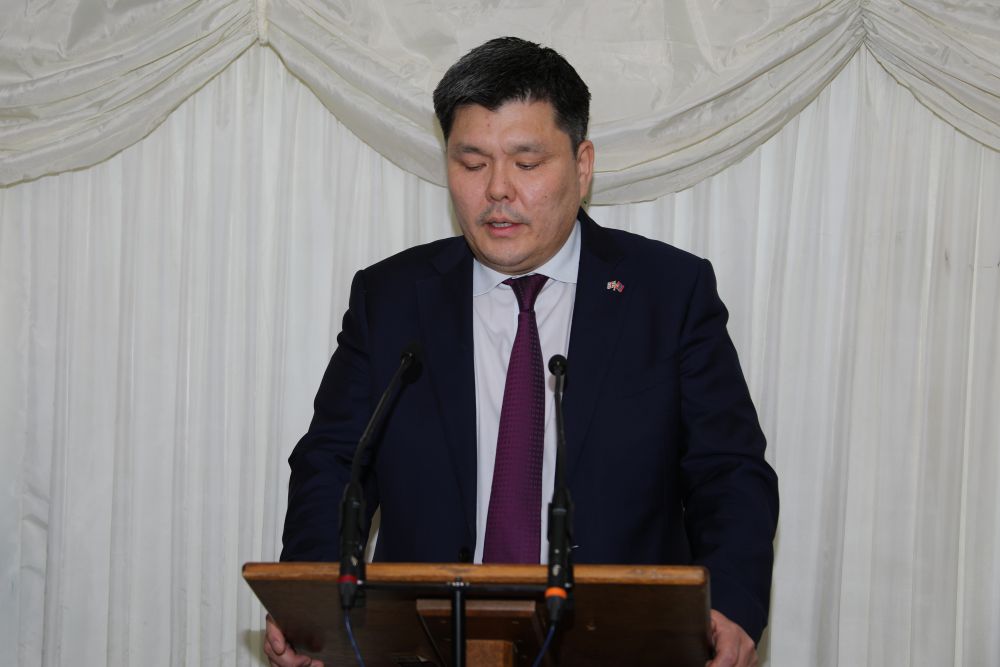
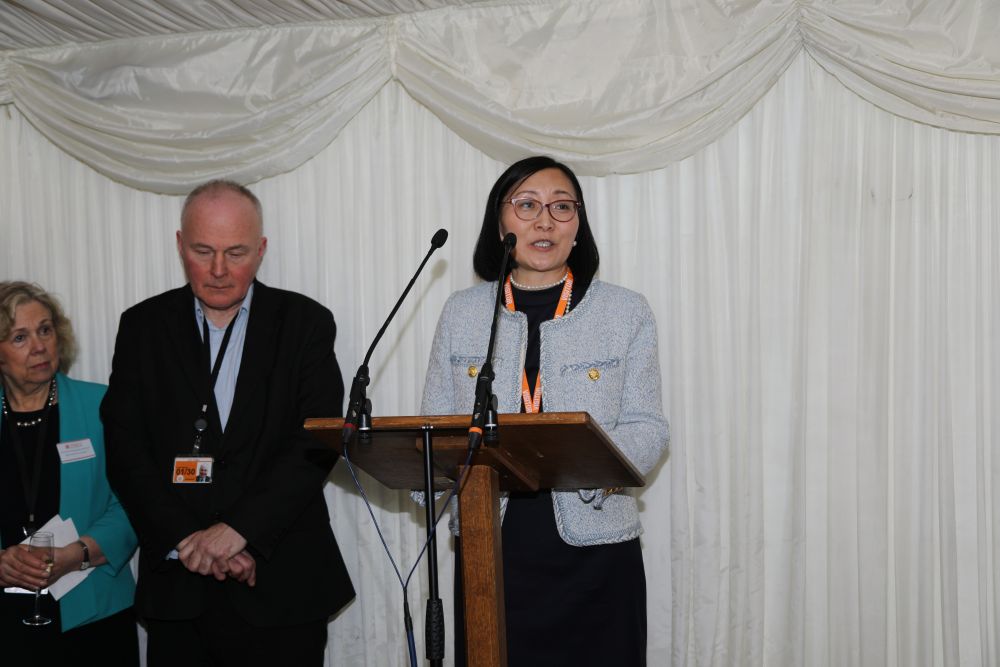
H.E. Enkhsukh Battumur, Ambassador of Mongolia to the United Kingdom, reaffirmed Mongolia’s commitment to inclusive progress and that efforts need to step up to tackle climate change, biodiversity loss and land degradation. And most importantly, progress must be inclusive – young people, women, and indigenous communities are all leaders.
Ambassador Enkhsukh highlighted the Mongolian Government’s ‘Steppe Action Agenda’ as COP17’s legacy framework, which unites three key initiatives: the Rangeland Flagship, the Water-Land Nexus, and Nature-based Solutions for Sustainable Infrastructure.
The reception included a symbolic virtual handover of the COP Presidency torch from Saudi Arabia to Mongolia, marking the transition toward COP17.
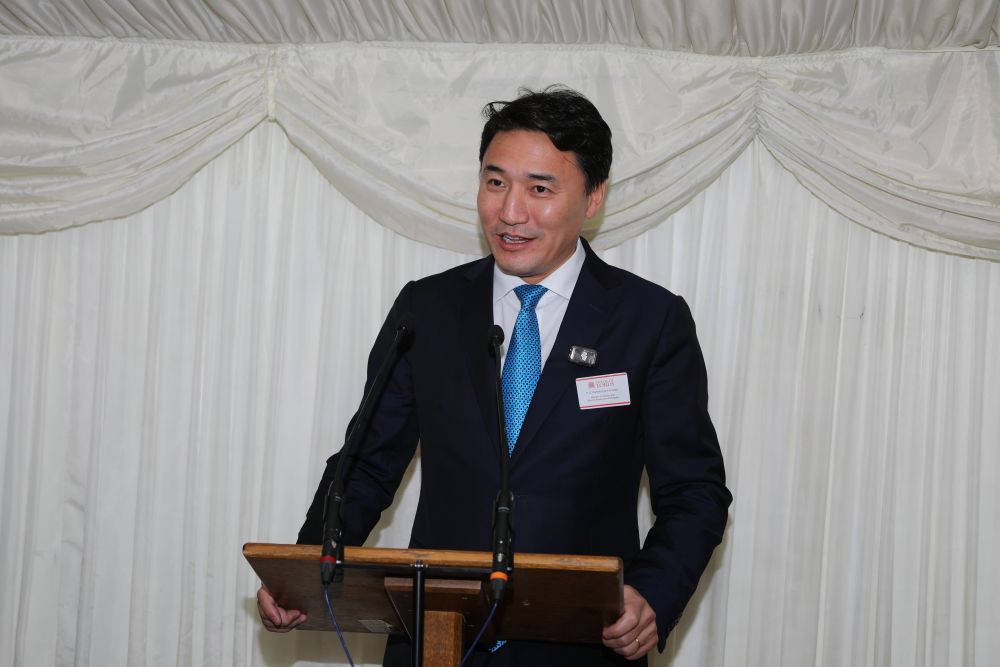
H.E. Damdinyam Gongor, Minister of Industry and Mineral Resources of Mongolia, underscored national responsibility:
“The challenge unites us, and somebody should take the torch and lead the battle. For this time, it’s Mongolia, it’s our motherland… We are taking ESG and TMS, a lot of standards, which are appropriate and environmentally friendly. We are trying to as much as leave behind small footprints on our motherland.”
Rangelands at the Heart of the Global Land Agenda
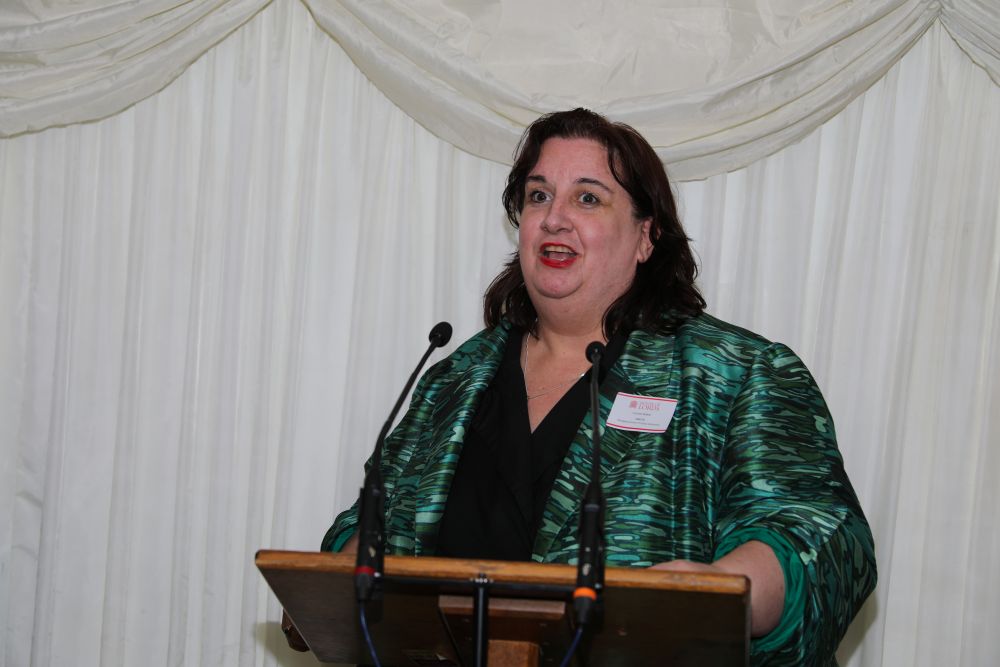
Representing the UNCCD, Louise Baker, Managing Director of the Global Mechanism, emphasised the scale and significance of rangelands:
“UN years have a tendency to just pass unnoticed… We are absolutely determined, and I think with our Mongolian hosts and many of the stakeholders in the sector are on rangelands, to make COP a moment where this year becomes reality.”
Baker further noted:
“The management of this 40% of the world’s land, around the world, is critical for our collective future. What we define in Mongolia will make a difference about whether this is something that just passes and is a year, and we talked about it, and it was nice, or we made a real impact, we had a pipeline of projects, and we changed the world.”
Dr Osama Ibrahim Faqeeha, Deputy Minister of Environment Affairs at the Ministry of Environment, Water and Agriculture of Saudi Arabia and representative of the COP16 Presidency, reflected during a virtual address the lessons from COP16 and the need for sustained political commitment to land degradation and drought resilience.
Pastoralists: Part of the Solution
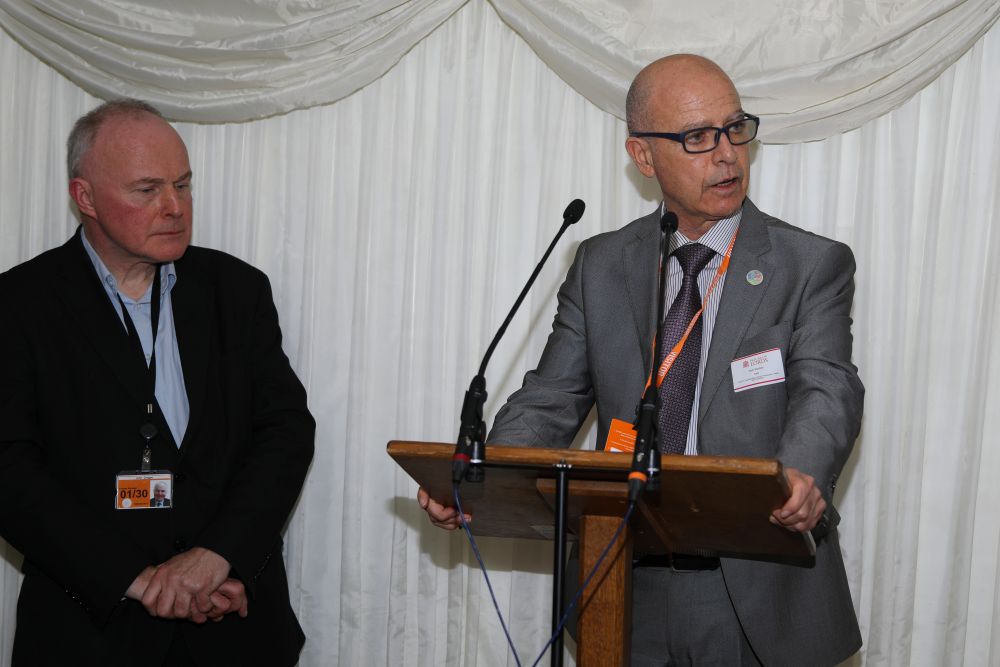
Badi Besbes, Chief of Sustainable Animal Production, Feed and Genetics at the Food and Agriculture Organization (FAO) and representative of the International Year of Rangelands and Pastoralists, highlighted the enduring role of pastoralist communities:
“For millennia, pastoralists have managed rangelands across steppes, across savannas, desert and wetland, and forest, and highlands… Through their livestock, pastoralists provide nutritious food for millions of people.”
Besbes stressed:
“In the world, we search for solutions to climate change, to biodiversity loss, to land degradation – pastoralists are not a part of the problem, they are part of the solutions. The International Year is an important milestone, but it’s only the beginning.”
Besbes also reminded attendees that 2026 marks the International Year of the Woman Farmer, noting that women represent 41% of the global agricultural workforce and play a critical role in pastoral systems.
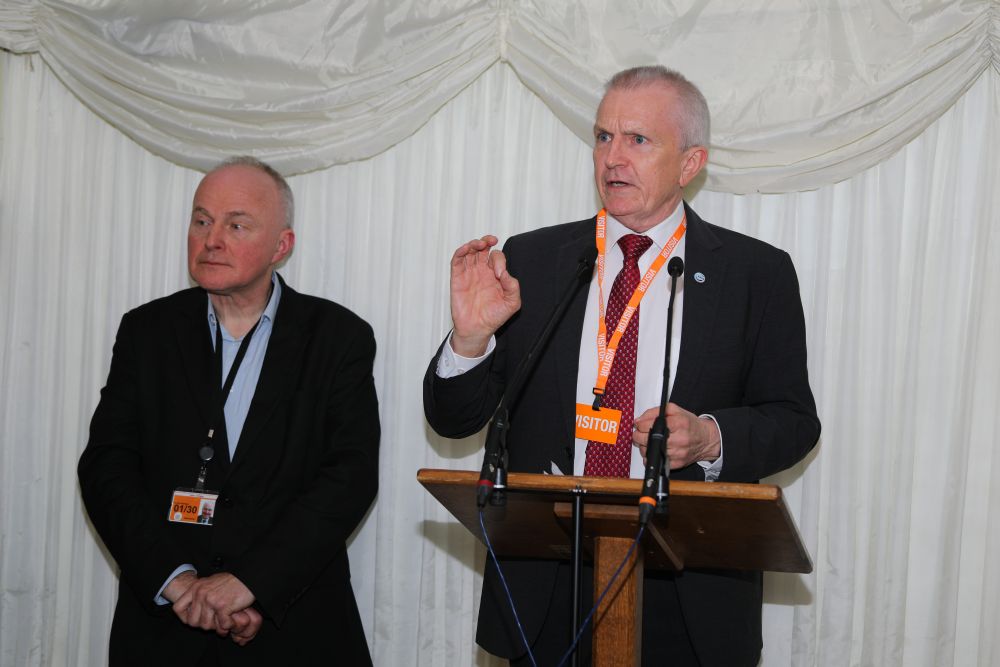
Stewart Maginnis, Deputy Director General of IUCN, described land degradation as:
“The forgotten global crisis… It impoverishes, it drives conflict, it drives economic migration, and it both reinforces and is reinforced by climate change and biodiversity loss. So, we’ve really got to take land degradation seriously. The good news is there are solutions, there are frameworks.”
Maginnis emphasised that nature-based solutions are ready to be deployed at scale, calling for sustained political leadership and collaboration.
From Momentum to Mechanisms
Closing the formal programme, Una Jones, CEO of the Sustainable Fibre Alliance (SFA) and Executive Director of the Rangeland Stewardship Council (RSC), highlighted the urgency of coordinated action:
“The latest planetary health check shows that we are now transgressing seven of the nine planetary boundaries, and unsustainable land use is a major driver. The question is no longer why rangelands matter. It’s how we act together at scale.”
Jones outlined ongoing efforts to strengthen responsible management, including the development of a Global Rangeland Standard and proposals for a Global Rangeland Fund to mobilise finance for sustainable land stewardship and pastoral livelihoods.
Quoting Sir David Attenborough, Jones concluded:
“If working apart we are powerful enough to destabilise our planet, surely working together we are powerful enough to save it.”
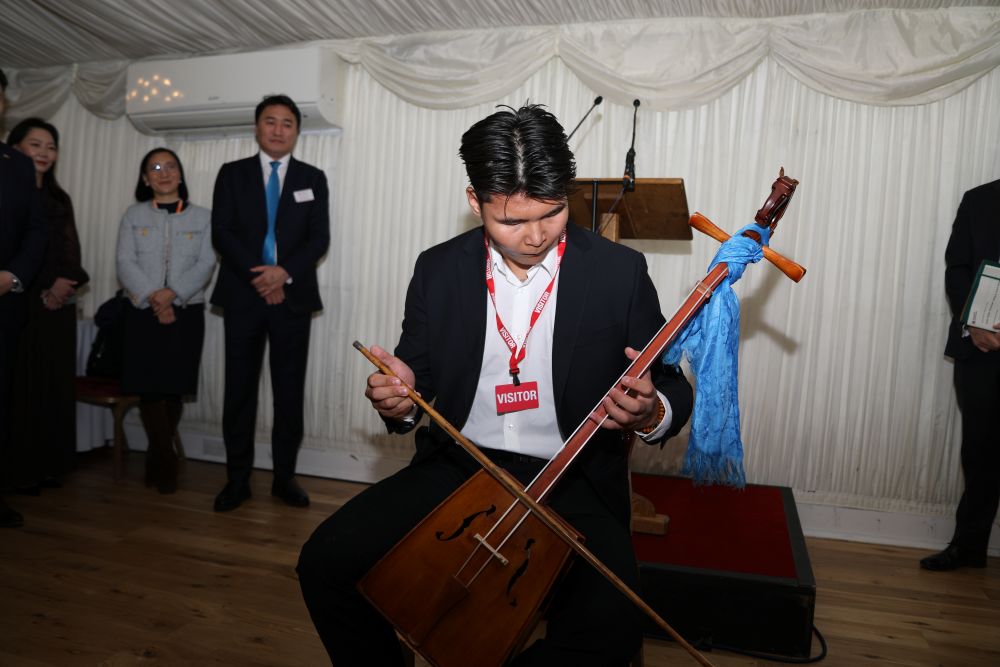
The reception concluded with a performance of traditional Mongolian music on the morin khuur (horse-head fiddle), symbolically connecting culture, landscape and heritage.
Key Figures from the Parliamentary Reception
- 160+ in-person guests
- 8 in-person speakers and 1 virtual address
- Senior representatives from UNCCD, FAO, IUCN and the COP16 Presidency
- UK parliamentary, diplomatic and private-sector participation
Building Toward COP17
By convening leaders across diplomacy, science, policy, industry, education and civil society within the UK Parliament, the reception reinforced growing international consensus that safeguarding rangelands is integral to climate resilience, biodiversity conservation and sustainable livelihoods.
As preparations continue for COP17 in Ulaanbaatar, Mongolia, this August, the reception marked an important milestone in the International Year of Rangelands and Pastoralists and strengthened collaboration ahead of key global negotiations.
ABOUT THE UNITED NATIONS CONVENTION TO COMBAT DESERTIFICATION (UNCCD)
The United Nations Convention to Combat Desertification (UNCCD) is a multilateral agreement dedicated to addressing desertification, land degradation and drought, and promoting sustainable land management. Adopted in 1994, the Convention brings together governments, scientists, civil society, and the private sector to support practical solutions that restore land, strengthen livelihoods, and improve the resilience of ecosystems and communities, particularly in dryland regions. With 197 Parties, the UNCCD plays a central role in advancing Land Degradation Neutrality and contributing to the Sustainable Development Goals, fostering international cooperation, knowledge exchange, and investment in sustainable land use worldwide. https://www.unccd.int/
ABOUT THE EMBASSY OF MONGOLIA IN THE UNITED KINGDOM
Opened in 1969 following the establishment of diplomatic relations between Mongolia and the United Kingdom in 1963 – when the UK became the first Western country to recognise Mongolia’s independence – the Embassy of Mongolia in the United Kingdom serves as the official diplomatic mission of the Government of Mongolia to the UK. The Embassy’s core mission is to strengthen and expand Mongolia-UK bilateral relations across political, economic, cultural, and educational spheres, while safeguarding the interests and welfare of Mongolian citizens in the United Kingdom and Ireland. The Embassy is also accredited to Ireland. Through active engagement with the UK Government, Parliament, civil society, and the private sector, the Embassy promotes mutually beneficial cooperation in areas such as trade and investment, sustainable development, cultural exchange, and regional and international security. Committed to fostering deeper mutual understanding and long-term partnership, the Embassy also facilitates people-to-people ties by supporting academic collaboration, cultural initiatives, and community outreach. Learn more about the Embassy’s work and services at: https://embassyofmongolia.co.uk
ABOUT THE MONGOLIAN BRITISH CHAMBER OF COMMERCE
The Mongolian British Chamber of Commerce (MBCC) is a not-for-profit membership organisation established in 2009 to strengthen business relations between Mongolia and the United Kingdom. The Chamber provides a professional and collaborative platform for companies and individuals seeking to engage with, and contribute to, the British-Mongolian business community. Through networking events, partnerships, and knowledge exchange, the MBCC supports trade, investment, and long-term commercial cooperation between the two countries. For further information, visit: https://mongolianbritishcc.org.uk/contact/
ABOUT THE RANGELAND STEWARDSHIP COUNCIL
The Rangeland Stewardship Council (RSC) is a global, multi-stakeholder platform advancing responsible rangeland management. Through its initiatives, the RSC brings together pastoralists, scientists, policymakers, and private-sector actors to share knowledge, mobilise investment, and support action that protects and restores rangelands while sustaining livelihoods. By linking science, traditional knowledge, policy, and markets, the RSC strengthens recognition of rangelands and the communities who manage them. The RSC operates through international collaboration with partners including the United Nations Convention to Combat Desertification (UNCCD), the Sustainable Fibre Alliance (SFA), International Centre for Research in Agroforestry (ICRAF), Natural Fibre Connect (NFC), and the Global Environment Facility (GEF)-funded STELARR project, implemented by IUCN and executed by ILRI and partners, with additional support from the European Commission. For more information, visit www.rangelandstewardship.org
ABOUT THE SUSTAINABLE FIBRE ALLIANCE (SFA)
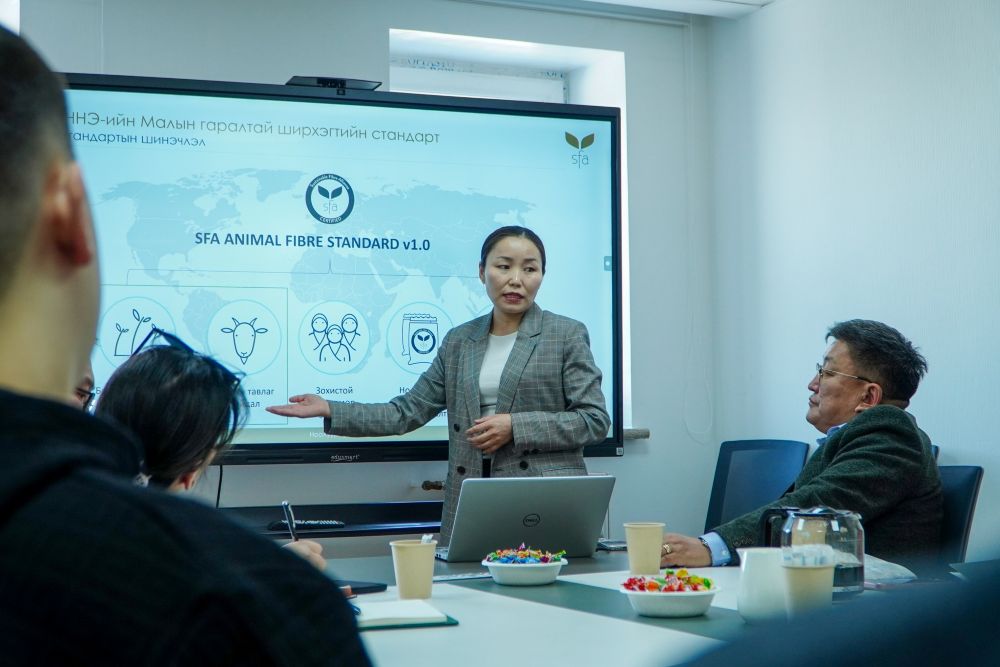
Founded in 2015, the SFA is a non-profit standards-holding and membership organisation. They represent a global alliance of supply chain actors, stakeholders, and industry experts with a vision for a responsible and inclusive global natural fibres sector that safeguards the health and well-being of people, animals and the environment. Working with the end-to-end supply chain, the SFA connects livestock herders in Mongolia and China to brands and retailers in the global fashion industry. The SFA Animal Fibre Standard outlines five global principles for responsible cashmere production, these are: effective management, decent work, biodiversity and land use, animal welfare, and fibre quality improvement. Discover more about the SFA’s standards system and programmes on their website: https://sustainablefibre.org/
ABOUT THE INTERNATIONAL YEAR OF RANGELANDS & PASTORALISTS (IYRP)
2026 is the International Year of Rangelands and Pastoralists (IYRP), proclaimed by the United Nations General Assembly to raise awareness of the vital role that rangelands and pastoralist communities play in sustaining ecosystems, supporting livelihoods, and contributing to food security, biodiversity conservation and climate resilience. Coordinated globally by the Food and Agriculture Organization of the United Nations (FAO), the IYRP brings together governments, research institutions, civil society, pastoralist organizations and the private sector to advance sustainable rangeland management, strengthen pastoralist participation in policy processes, and promote investment, knowledge exchange and practical solutions across regions. https://www.fao.org/rangelands-pastoralists-2026/
Katy Edwards
SFA MARKETING & COMMUNICATIONS MANAGER
13 March 2026