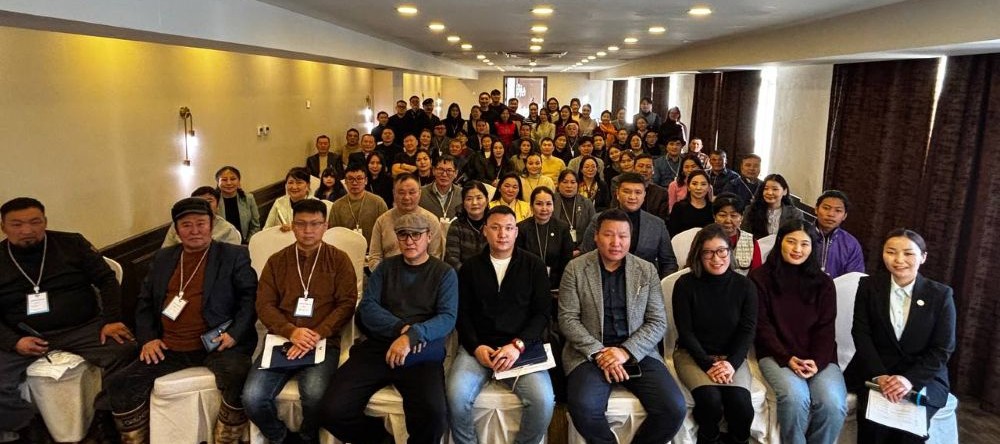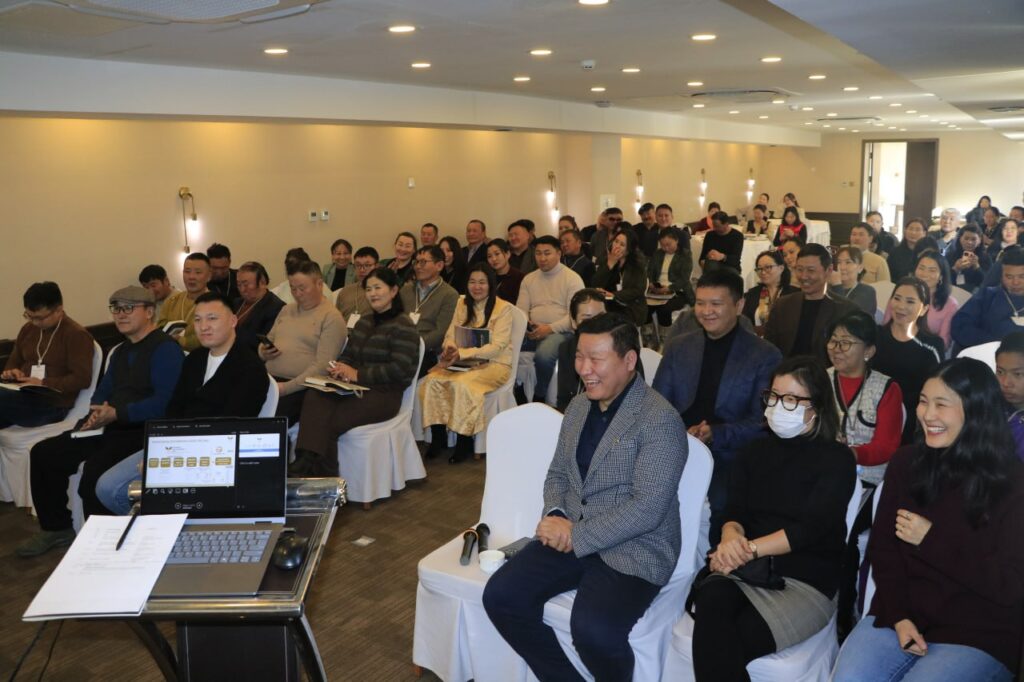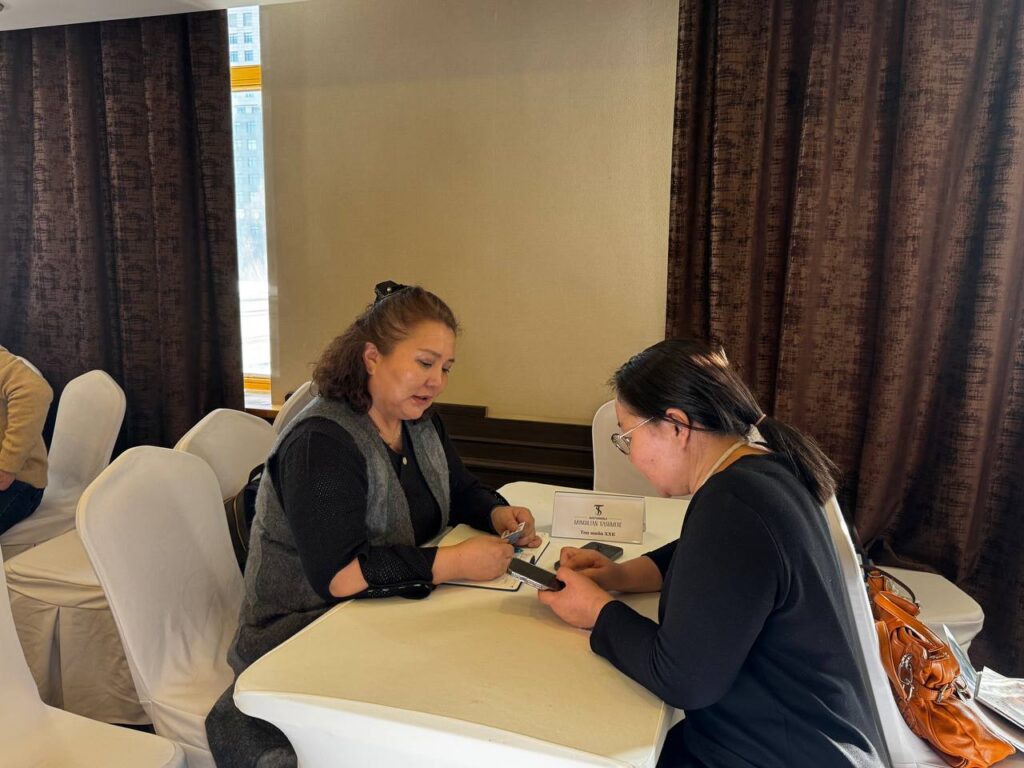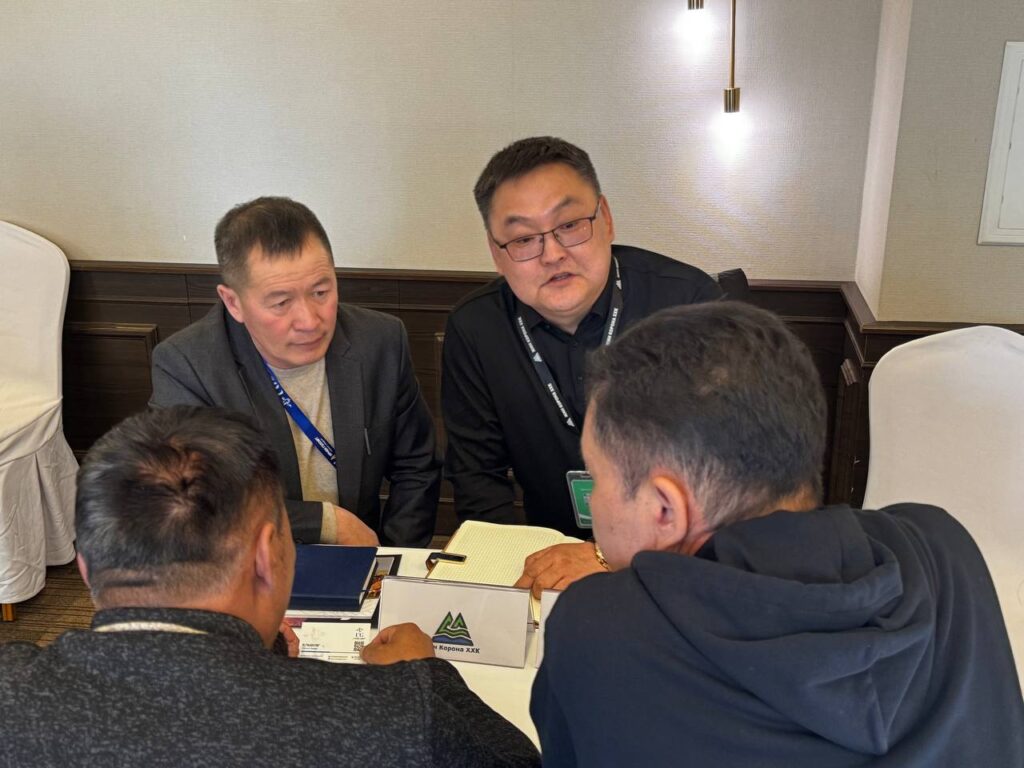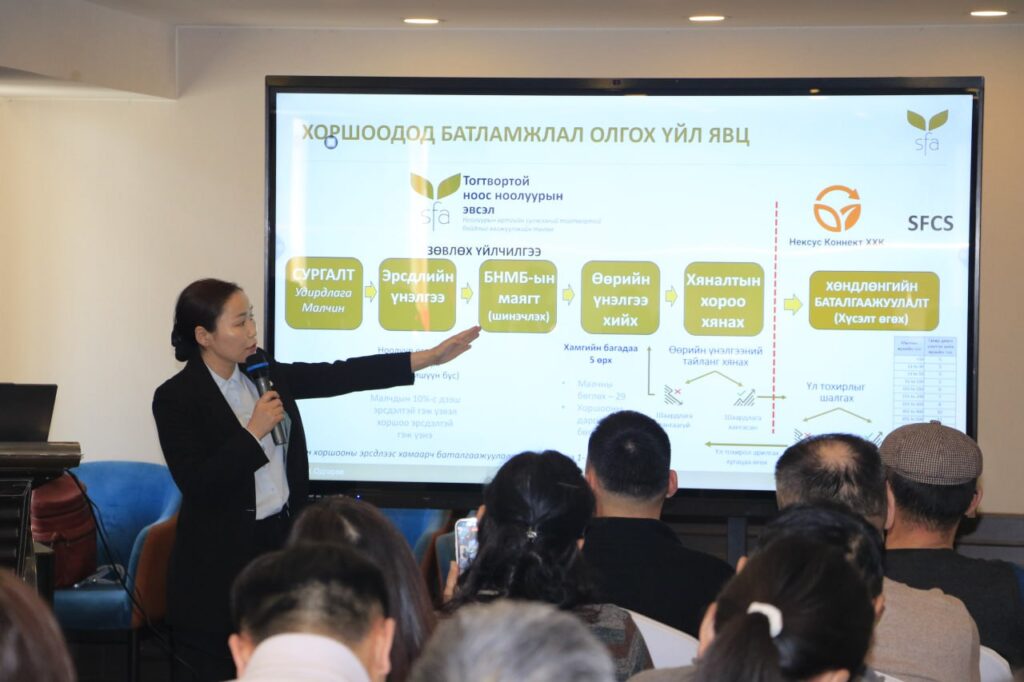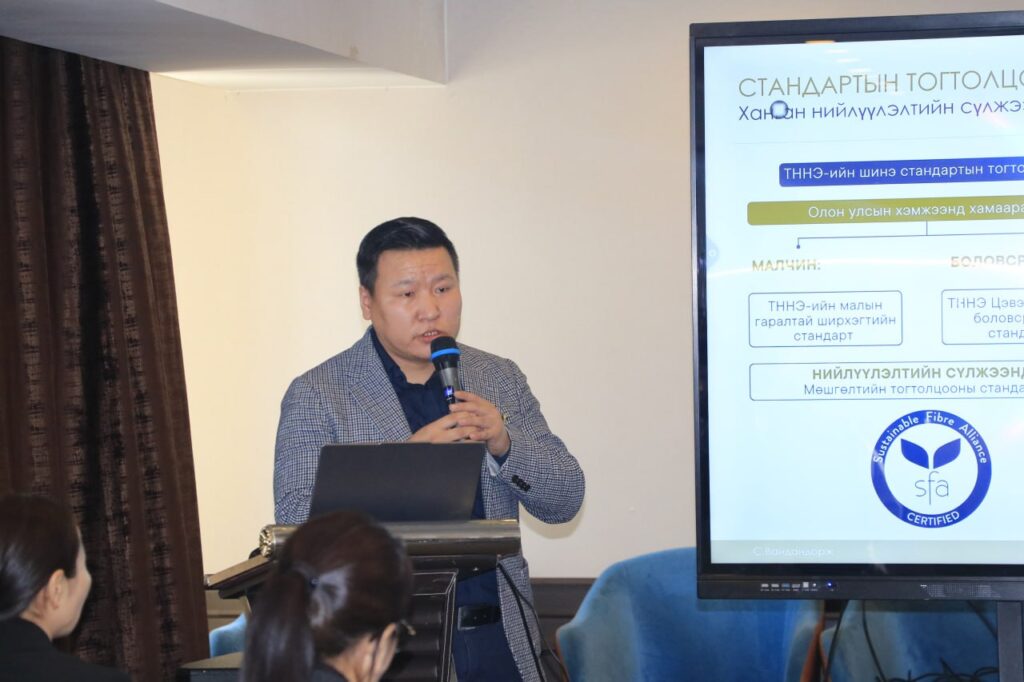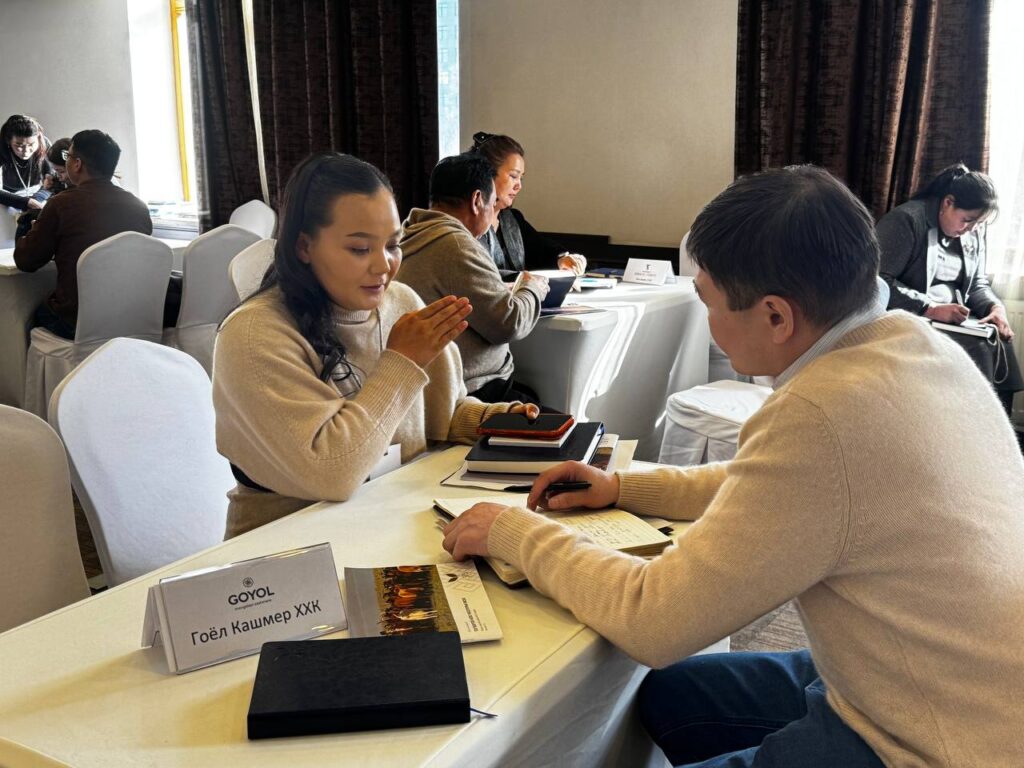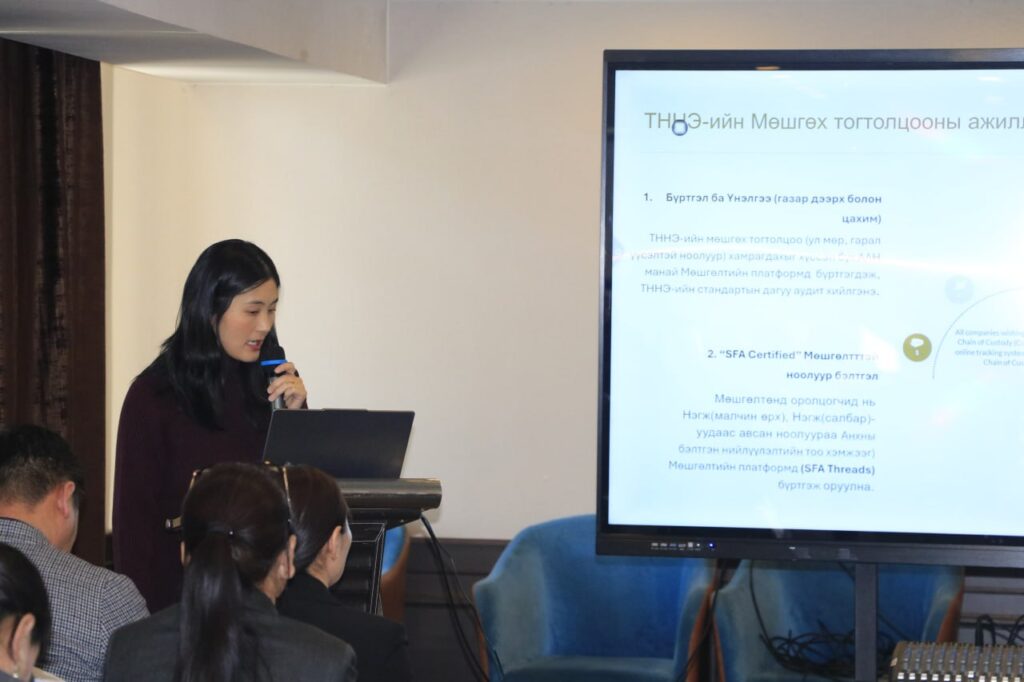
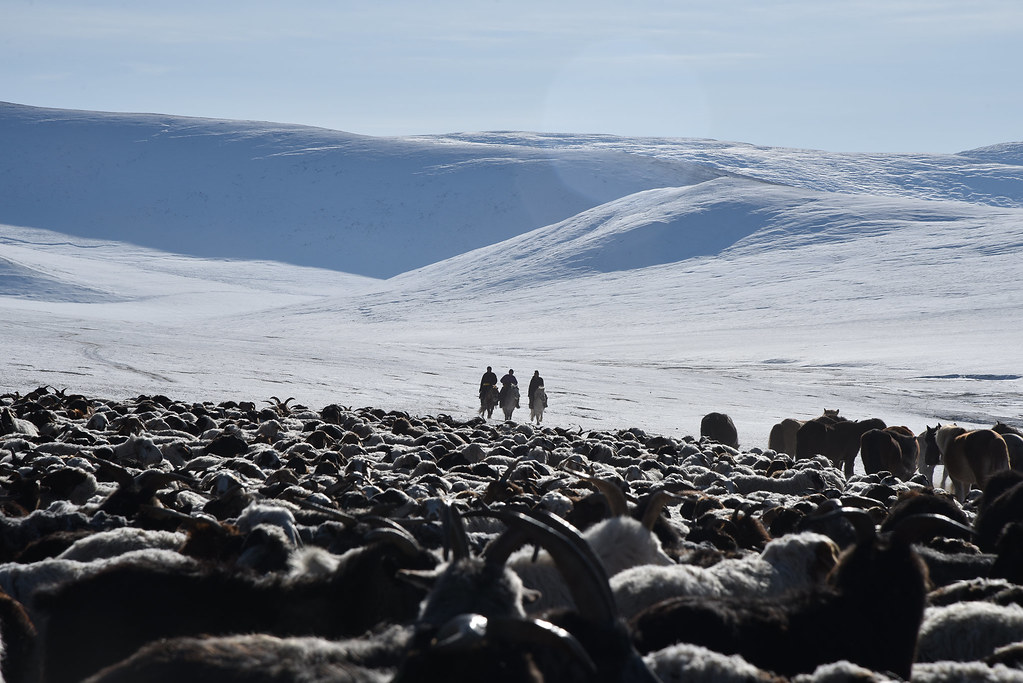
As the world launches the International Year of Rangelands & Pastoralists (IYRP 2026) following its opening event at the FAO headquarters in Rome in December 2025, Mongolia’s rangelands and herding communities stand at the centre of global discussions. These vast landscapes have sustained nomadic pastoralists for centuries, shaping culture, identity, and livelihoods – and supporting one of the world’s most valuable natural fibres: cashmere.
And this sense of responsibility is shared by herders from across Mongolia and Inner Mongolia.
“Since childhood, we are taught to protect the land.”
Ganzorig Altangerel
Mongolian Herder Cooperative Leader
How Our Values Create Value
As a charity, we are guided first and foremost by our values. They shape how we listen, how we collaborate, how we work to create lasting change, and how we support herding communities to build resilience in the face of climate and market uncertainty.
Our vision is a responsible and inclusive global natural fibres sector that safeguards the health and well-being of people, animals, and the environment. Our mission is to drive positive change in natural fibre value chains by empowering herding communities, promoting responsible sourcing, and supporting regenerative grazing practices. It is our values, however, that bring this mission to life.
- We are GROUNDED in pastoral realities, ensuring our work remains rooted in the lived experiences of nomadic herders and the ecological realities of rangelands.
- We are COLLABORATIVE, scaling impact through partnerships across communities, markets, and institutions.
- We are IMPACT DRIVEN, focused on practical action that aims to strengthen livelihoods, animal welfare, and ecosystem health.
- And we are CONTINUOUSLY LEARNING, adapting through reflection and innovation to support continuous improvement and best practice.
Through this values-led approach, we work towards systemic change by creating two interconnected forms of value. First, intrinsic value: healthy rangelands support healthy livestock, which sustain herding families and ecosystems. Land, animals, and people are interdependent – strengthening one strengthens all. Second, extrinsic value: supporting livelihoods through improved market access, access to finance, and long-term partnerships. By improving economic resilience, we enable communities to continue stewarding their landscapes in a changing climate.
Sustainable cashmere begins with people. By working with herders – not around them – we support positive change in animal welfare and environmental stewardship through continuous improvement. What drives us, and ultimately shapes lasting transformation, is our commitment to herding communities and the landscapes they care for.
A Decade of Partnership & Community Collaboration
For over ten years, we have worked within pastoral communities to strengthen cooperative governance, promote good rangeland stewardship, and improve market access. Our approach is grounded in nutag, a Mongolian concept meaning “homeland” or “homeplace” – capturing not only geography, but belonging, ancestral ties, and the deep relationship between people, animals, and land.
Nutag guides how we listen, how we collaborate, and how we support community-led decision-making. Alongside nutag, our work is anchored in the One Health approach, recognising that ecosystems, animals, and people are deeply interconnected.
This philosophy has shaped our long-standing partnerships with organisations and institutions like the Government of Mongolia, the UN Convention to Combat Desertification (UNCCD), the Food & Agriculture Organisation (FAO), the Global Environment Facility (GEF), researchers, processors, brands, and producer communities – working together to strengthen rangeland governance, climate adaptation, and sustainable production.
“Prior to being involved with the SFA, our cooperative didn’t work collaboratively, so we’d each sell direct to the traders, and they’d determine the price, while now we supply it to the cooperative and work together to strengthen our position.”
Burmaa L.
Mongolian Herder Cooperative Leader
Supporting Herders Across Mongolia & Inner Mongolia's Rangelands
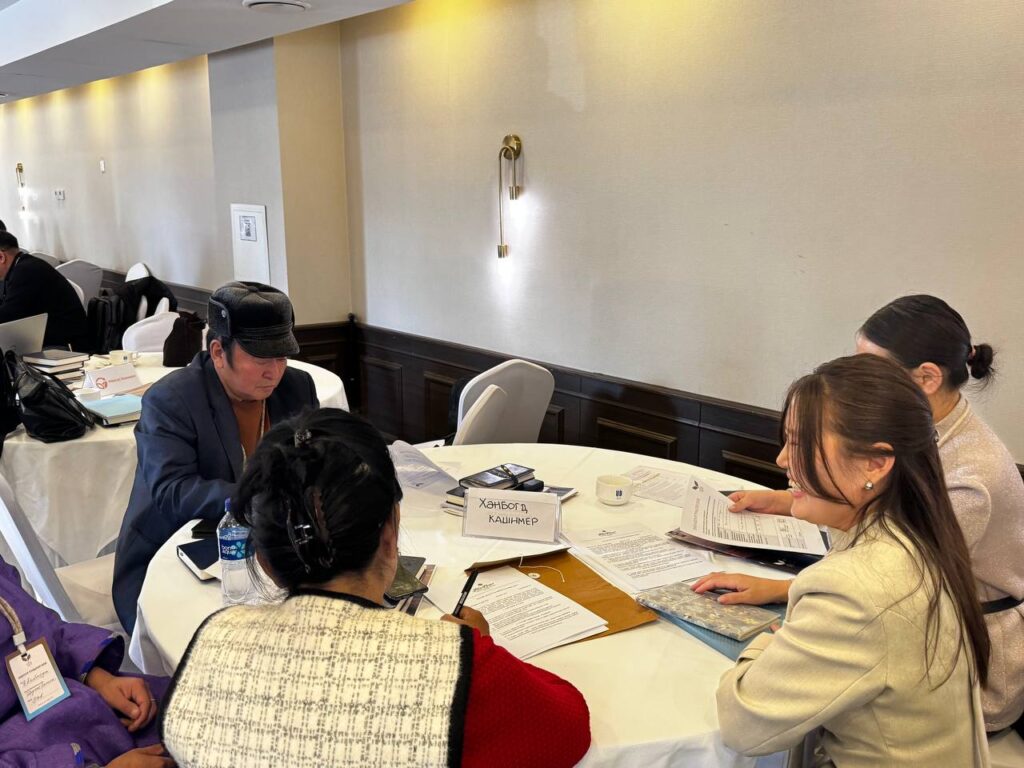
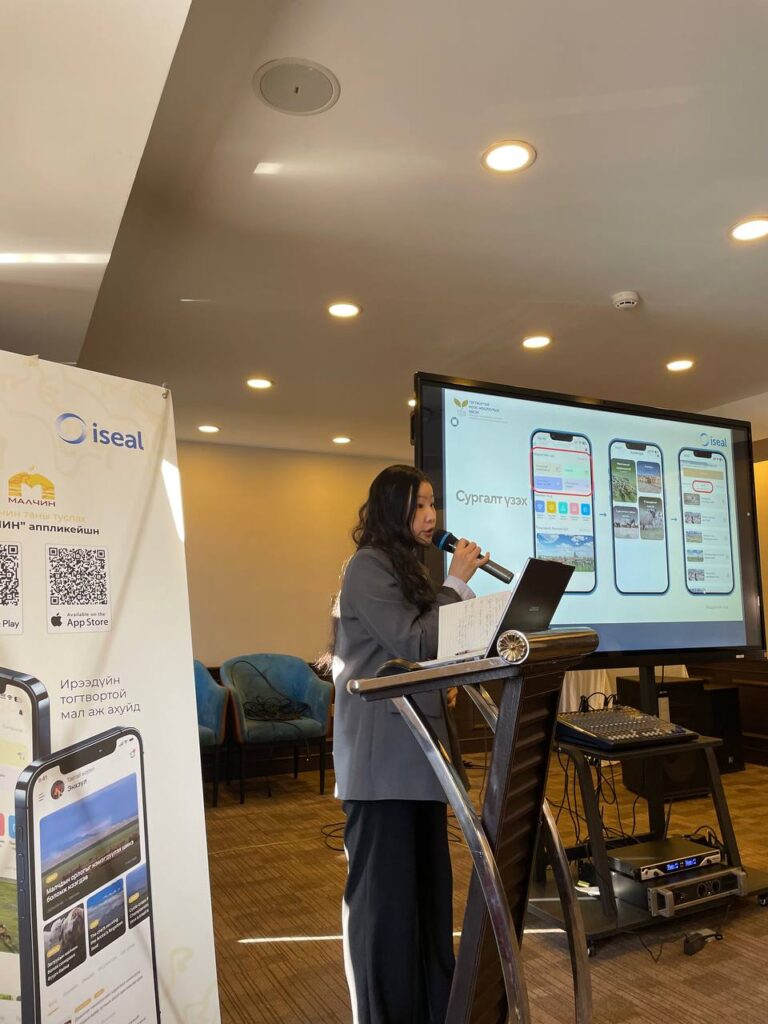
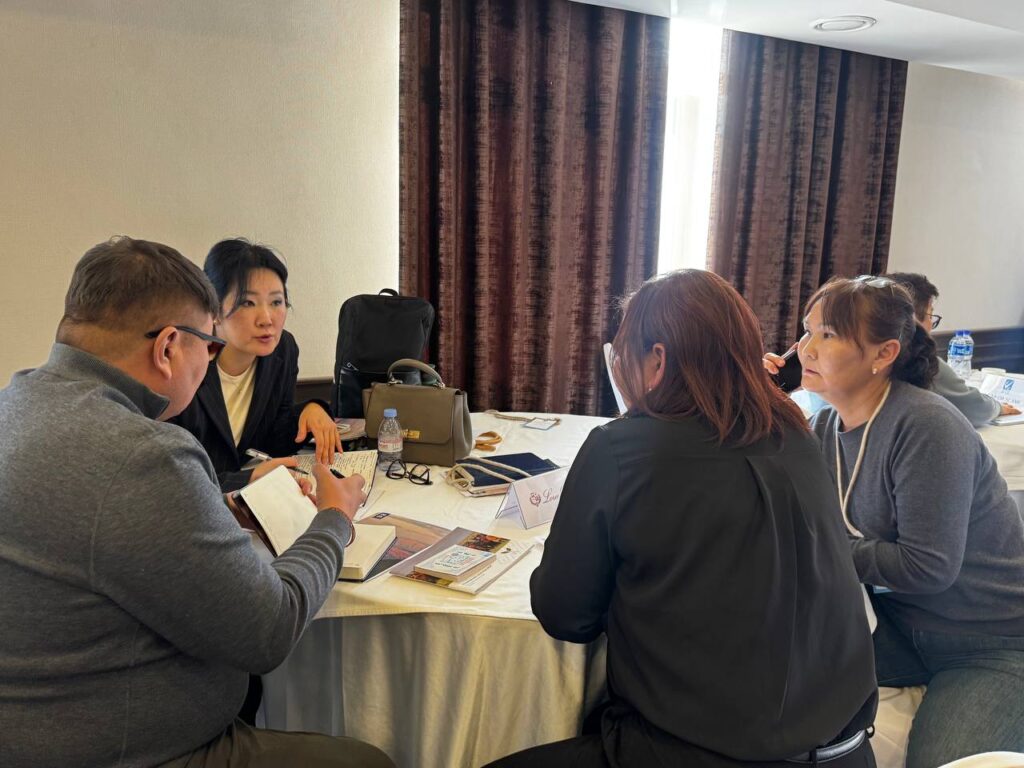
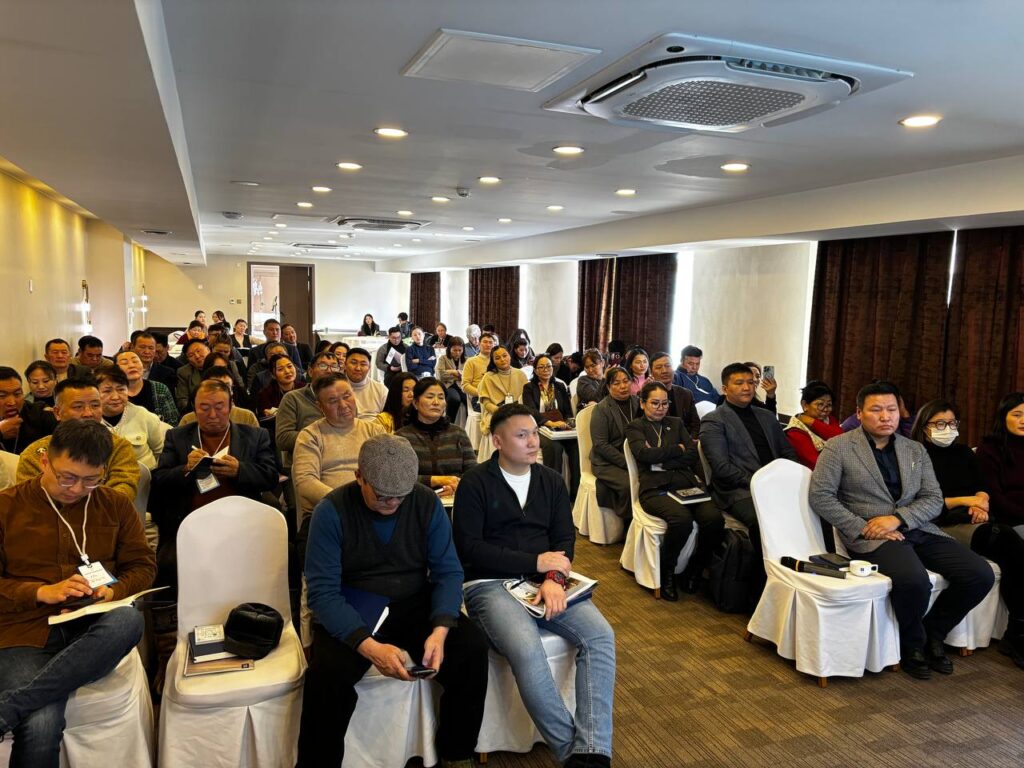
Today, the SFA supports more than 160,000 herders and community members across Mongolia and Inner Mongolia. While only a small proportion of herders are currently certified, the scope of our work reaches far beyond certification. We support the wider system – because sustainable change must be enabled across entire landscapes.
A key example of our continued support, and one we are most proud of, is our long-term partnership with Khan Bank, which created Mongolia’s first Green Loan programme for herder cooperatives. This low-interest financing supports climate resilience by enabling herders to invest in fodder, winter shelters, veterinary care, or improved grazing management – reducing reliance on high-risk informal lending during difficult seasons.
“Overcoming these climate issues and keeping animal husbandry sustainable, we have several programmes and financial programmes on this. But since the cashmere alone makes up almost 70% of households’ income, with this income we have to do everything, like paying our children’s school fees and all other things… the Mongolian Government issued soft loans, but because of this shortage of properties to provide as a collateral, we are not able to get that additional funding to improve our livelihoods and to spend the money on livestock husbandry.”
Altansukh Tumee
Mongolian Cashmere Herder
A Global Moment for Rangelands & Pastoralists
December’s official launch of the International Year of Rangelands & Pastoralists (IYRP 2026) at the FAO headquarters in Rome, along with the Mongolia Presidency visit to Italy, marked a significant moment for global recognition of pastoral systems. The rangelands in Mongolia are among the world’s most important dryland ecosystems, yet they face increasing pressure from climate change, which reports show is impacting the country at an exceptionally fast rate.
As global attention turns to these landscapes, we will continue to champion community-led stewardship, evidence-based action, and partnerships that strengthen both ecosystems and livelihoods.
Looking Ahead
Our continued commitment is simple but powerful: to champion sustainable cashmere in a way that honours culture, strengthens communities, safeguards ecosystems, and supports the people who care for Mongolia’s rangelands every day.
As we move through 2026, guided by nutag and grounded in our partnerships, we remain focused on creating real, lasting change – for herders, for landscapes, and for the future of sustainable cashmere.


Katy Edwards
SFA MARKETING & COMMUNICATIONS MANAGER
13 February 2026