14-20 October 2026 | Beijing & Ordos, China
From international dialogue on animal welfare and cashmere traceability to stronger certification partnerships and cross-border rangeland research, SFA’s October engagements in China marked an important step towards strengthening sustainable fibre production and supporting resilient pastoral livelihoods.
Healthy rangelands, responsible herding and transparent supply chains are interconnected foundations of a sustainable natural fibre sector. As international markets increasingly focus on animal welfare, supply-chain due diligence and product traceability, collaboration across the fibre industry is essential to ensure that sustainability commitments translate into meaningful action on the ground.
Throughout October 2026, the Sustainable Fibre Alliance (SFA) engaged with international organisations, research institutions, certification bodies, industry representatives and government stakeholders in China to advance this shared agenda.
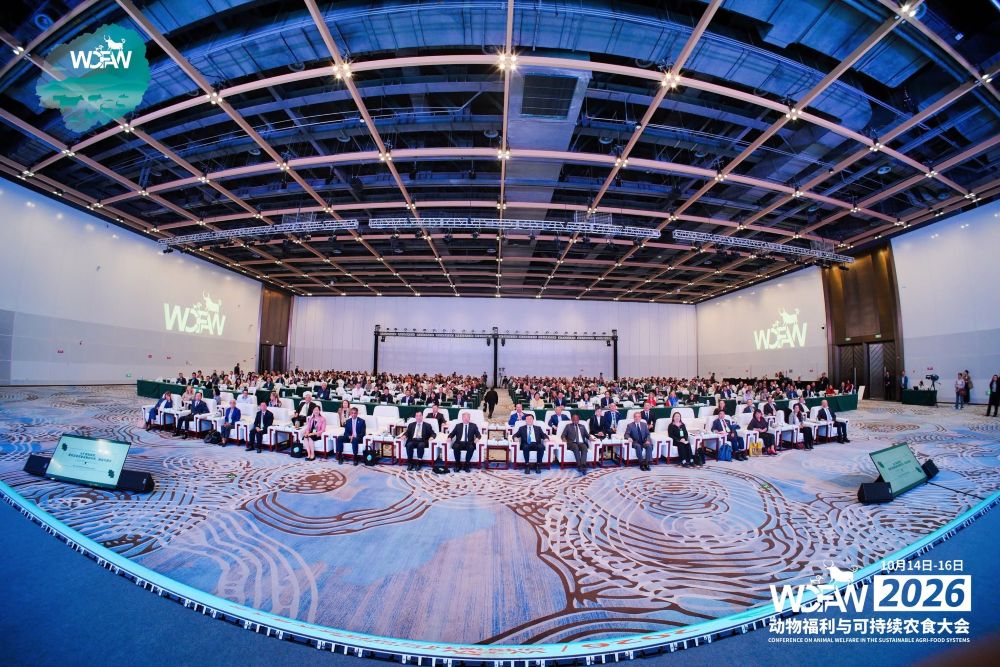
Bringing Animal Welfare & Cashmere Sustainability into Focus
From 14–16 October, the 2026 Conference on Animal Welfare and Sustainable Food and Agriculture took place in Pinggu District, Beijing. Jointly organised by the Food and Agriculture Organization of the United Nations (FAO) and the China Association for the Promotion of International Agricultural Cooperation (CAPIAC), the conference brought together representatives from governments, international organisations, research institutions and leading companies.
A dedicated discussion on cashmere supply-chain sustainability brought together experts, herders and industry representatives from China, Mongolia and internationally to explore how the sector can prepare for evolving European Union requirements and the expectations of international buyers.
Discussions covered emerging regulatory frameworks, including the Corporate Sustainability Due Diligence Directive (CSDDD) and the Digital Product Passport (DPP), alongside practical approaches to strengthening cashmere origin information, traceability and animal welfare assurance.
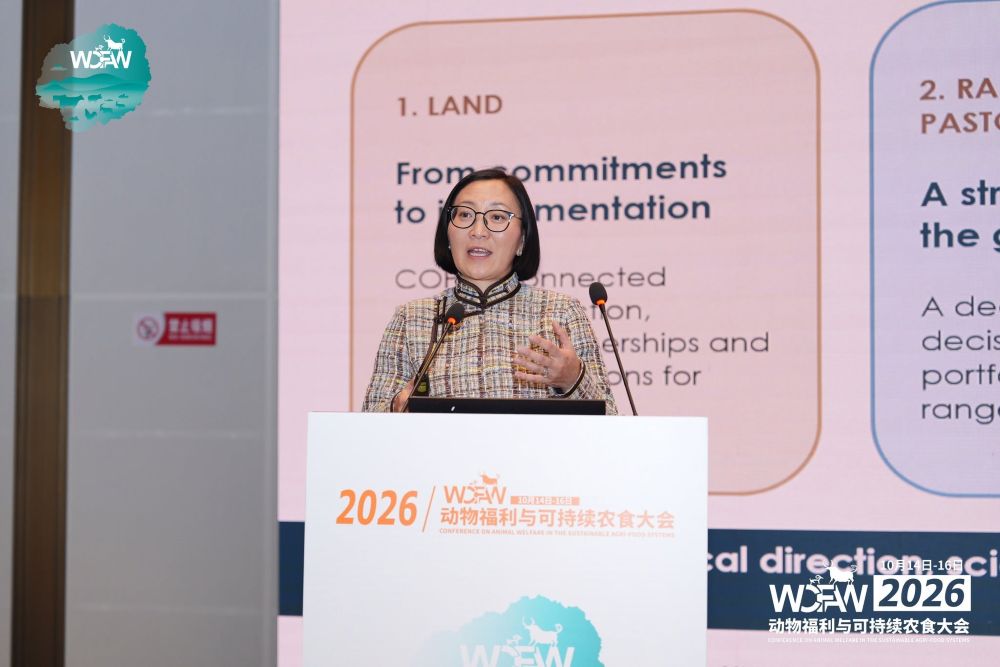
For SFA CEO and Founder Una Jones, sustainable rangeland management cannot be achieved through short-term projects alone. Long-term partnerships involving companies, financial institutions and herder communities are essential, as is recognition of the traditional knowledge that has sustained pastoral livelihoods across generations. Jones also shared insights from the Resilient Threads Project in Mongolia, supported by LVMH, Loro Piana and the Odyssey Conservation Trust (OCT), as well as the SFA’s engagement around UNCCD COP17.
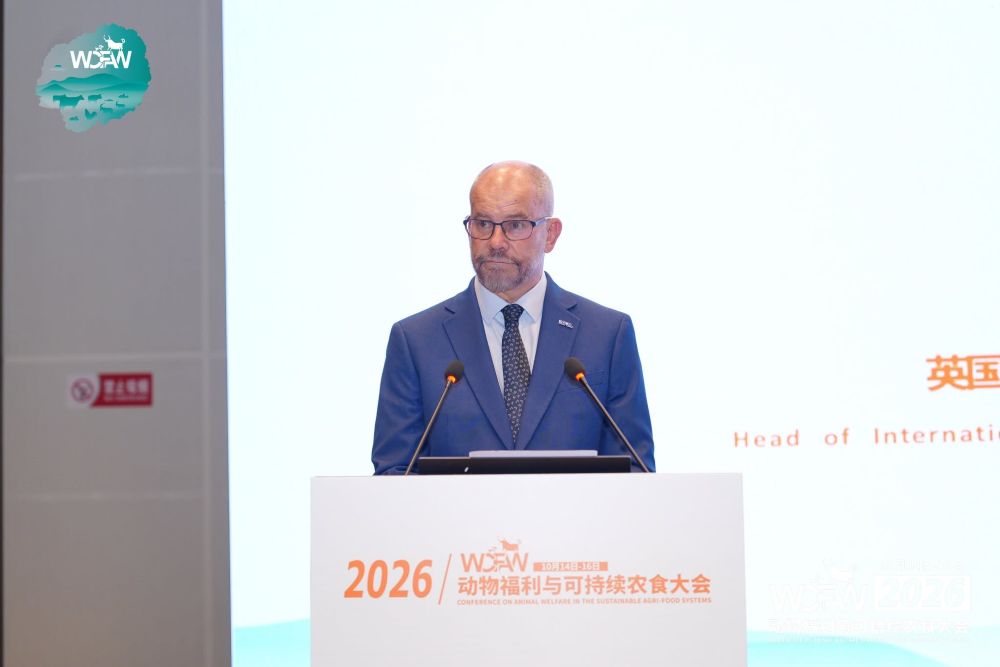
Other contributors highlighted the importance of verifiable evidence in animal welfare assessments and ensuring that the costs of transitioning towards more sustainable production are shared across the supply chain. Markets also have a role to play in recognising the efforts of herders through meaningful commercial value.
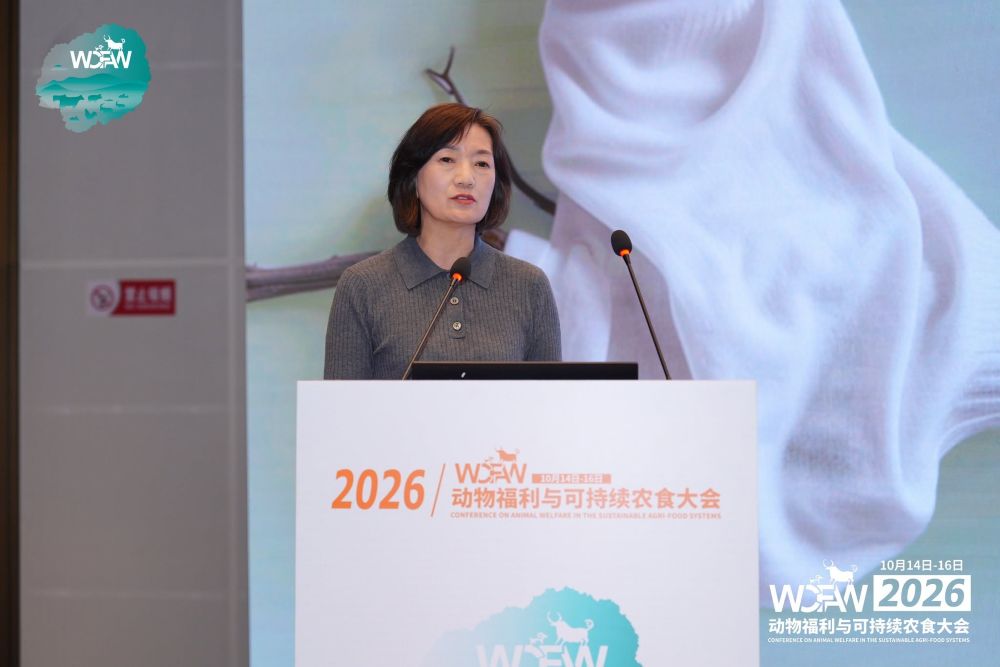
Technology is creating new opportunities to support these ambitions. The Erdos Group shared its experience of RFID-based traceability and calculating the carbon footprint of cashmere jumpers, alongside certification under the joint SFA–ICCAW Standard involving more than 8,000 herder and farming households.
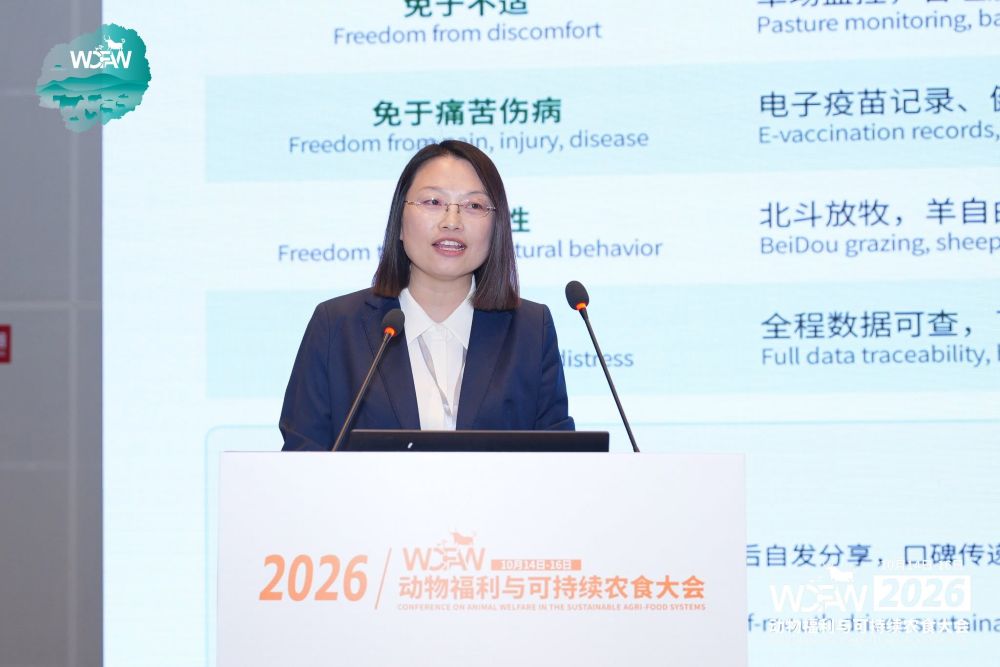
Other initiatives demonstrated how BeiDou satellite technology and digital livestock records can support animal identification, health monitoring and traceability, including in areas without internet access.
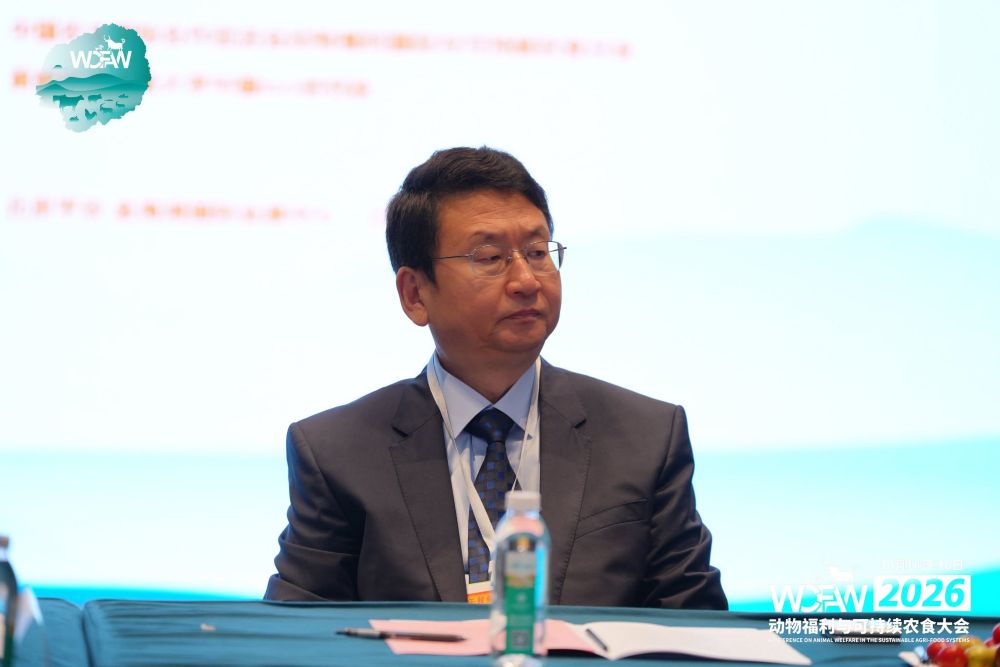
A further example came from a pilot involving 66 smart farms in Ordos, where cloud-based systems record information such as grazing activity, animal numbers, vaccination evidence and livestock weights. Participating herders reported that products supported by comprehensive, traceable livestock data achieved higher prices. The project’s technology received an FAO Technology Innovation Award in 2025.
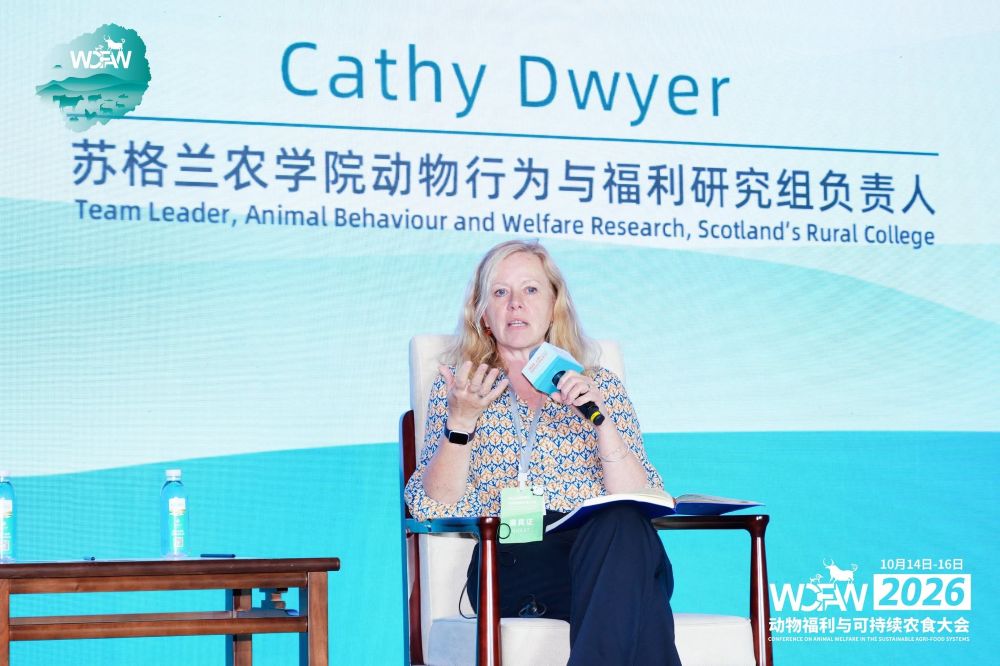
Research presented by Scotland’s Rural College (SRUC) also explored how the Five Freedoms of Animal Welfare can inform the assessment of grazing sheep and goats, considering both the benefits and limitations of technologies such as RFID and automated weighing scales.
Together, these contributions highlighted an important principle: technology and certification can strengthen sustainability assurance, but they must be supported by credible evidence, appropriate implementation and recognition of the people responsible for delivering sustainable production.
Strengthening SFA's Presence & Support in China
On 18 October, Una Jones joined the SFA Mongolia’s Country Director, S. Vandandorj, and members of the Mongolia team for a visit to the SFA office in Ordos to exchange experience and strengthen cooperation between the organisation’s regional teams.
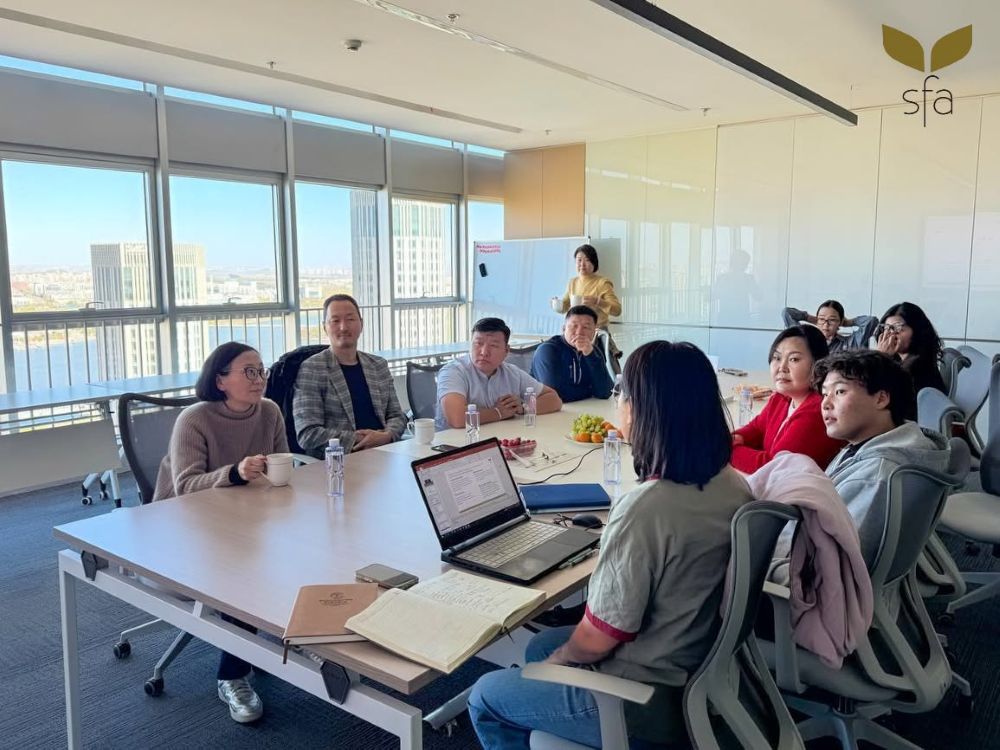
SFA established its Mongolia office in 2018 and has developed long-standing partnerships in China with organisations including CAPIAC and the International Cooperation Committee of Animal Welfare (ICCAW). Through these partnerships, the SFA has supported the implementation of its standards, delivered training for herders and farmers, strengthened member capacity and helped supply-chain participants work towards certification.
The opening of the SFA’s own office in Ordos in 2025 marked a further step in bringing the organisation closer to its members in China and providing more direct support to businesses and other supply-chain participants.
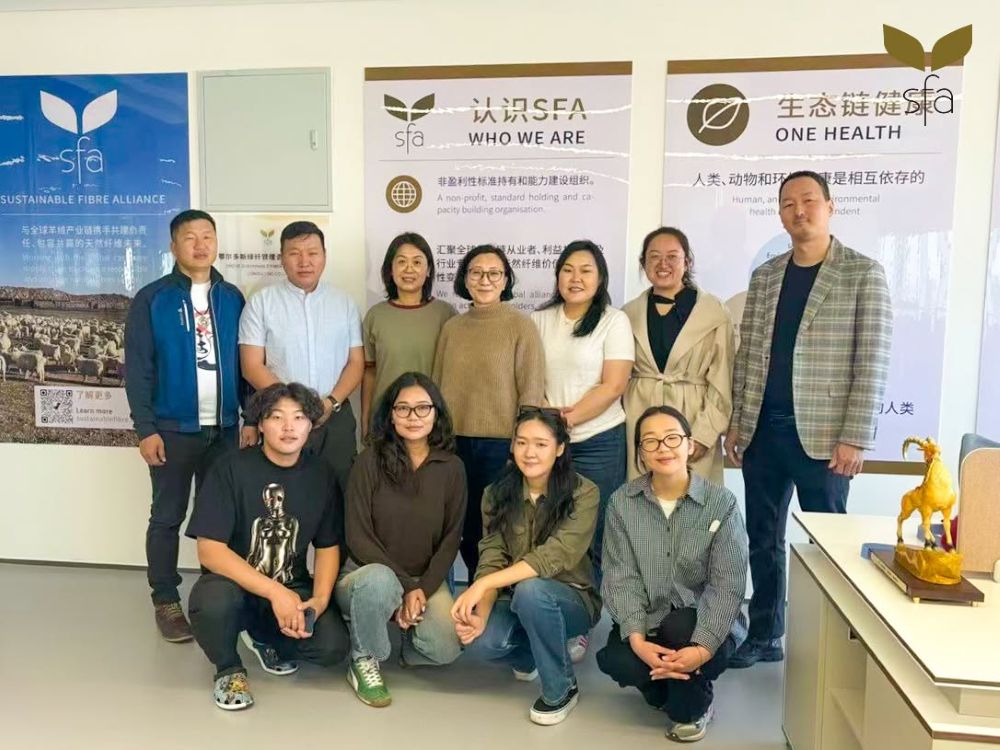
During the visit, SFA China Country Director June Ma outlined the office’s activities since its establishment and presented its future plans and priorities. Una Jones emphasised the value of closer cooperation between the Mongolia and China offices, particularly through shared training, information exchange and mutual learning.
Stronger coordination will help both teams respond more effectively to members’ needs, share practical experience and support the implementation of responsible fibre production practices across the cashmere value chain.
Expanding Access to Credible Certification
On 19 October, SFA’s leadership visited certification bodies in Beijing to strengthen existing relationships and explore opportunities to expand certification under the SFA’s Standards.
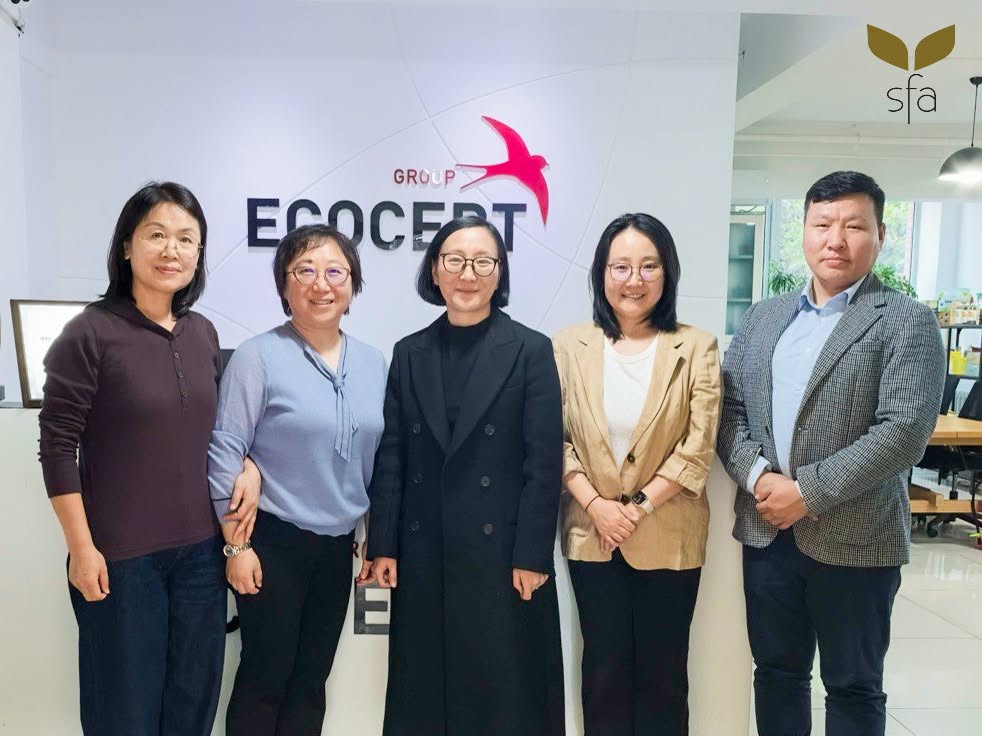
The delegation met with Ecocert, an international certification body founded in France in 1991. Since receiving authorisation in 2021 to conduct international certification against the SFA’s Standards, Ecocert has played an important role in certifying cashmere processing facilities in China.
Its work covers the SFA Clean Fibre Processing Standard, the SFA Animal Fibre Standard and the SFA Chain of Custody Standard. In 2023 and 2024, Ecocert also conducted joint audits at primary cashmere processing facilities in China alongside experts from Nexus Connect LLC, a Mongolian company providing third-party certification services under the SFA’s Standards.

The delegation also visited United Intelligence Certification Co., Ltd. (UICC), a third-party certification body accredited by the China National Accreditation Service for Conformity Assessment (CNAS) and the United Kingdom Accreditation Service (UKAS).
Both certification bodies have expressed interest in extending their activities beyond cashmere to other animal fibres within the scope of the SFA’s Standards, including yak fibre, camel wool and sheep wool. View the full list of SFA-approved certification bodies here.
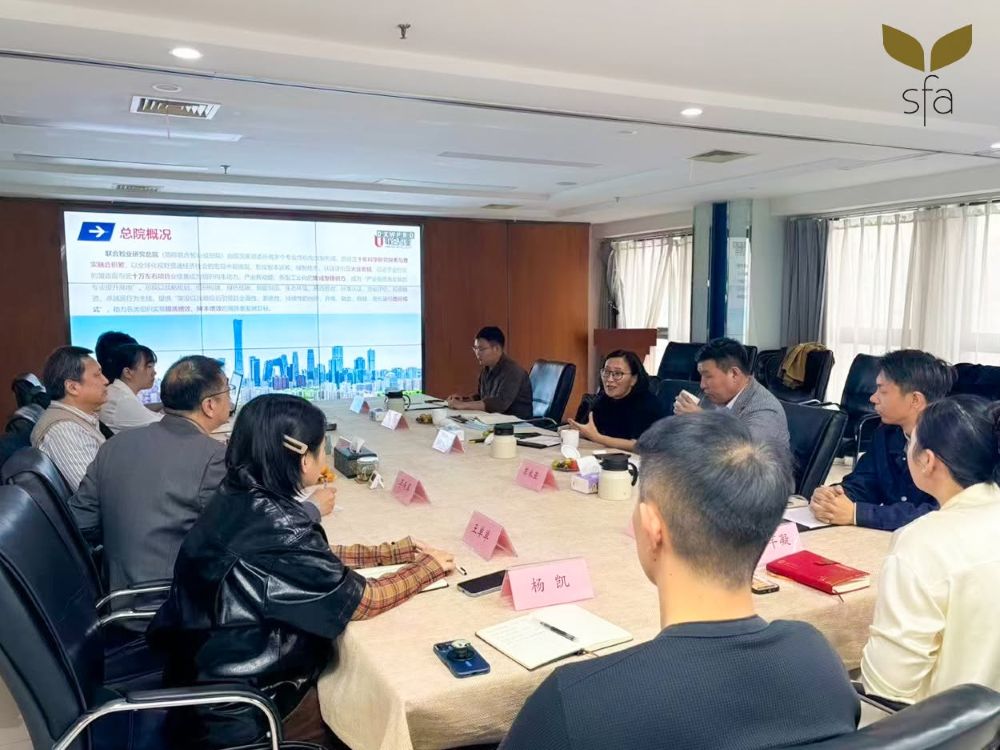
Developing these partnerships can help broaden access to independent third-party certification, strengthen confidence in sustainability claims and improve assurance and traceability across the animal fibre supply chain. It also creates opportunities to support a wider range of fibre producers and processors as the sector continues to evolve.
Advancing Cross-Border Cooperation for Healthy Rangelands
On 20 October, the SFA, the Rangeland Stewardship Council (RSC) and Beijing Forestry University (BFU) jointly hosted the International Symposium on Sustainable Utilization of Grazing Grassland in Beijing.
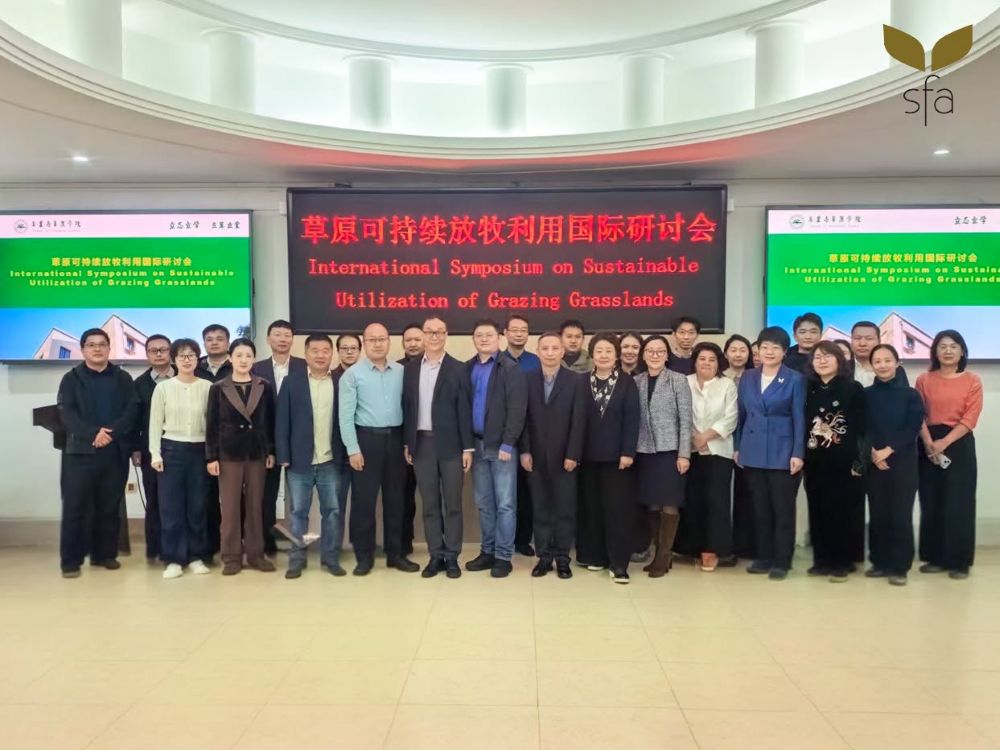
The symposium aimed to strengthen cooperation between Mongolia and China on cashmere, yak fibre and other products derived from rangelands, while creating opportunities for scientific collaboration and the exchange of knowledge and experience.
Professor Xiqui Dong, Dean of the School of Grassland Studies at Beijing Forestry University, presented research on grassland health assessment and sustainable rangeland management. Una Jones explored opportunities for a broader research and collaboration initiative encompassing the shared and comparable ecosystems of Mongolia and China, with an emphasis on South–South cooperation and mutual learning.
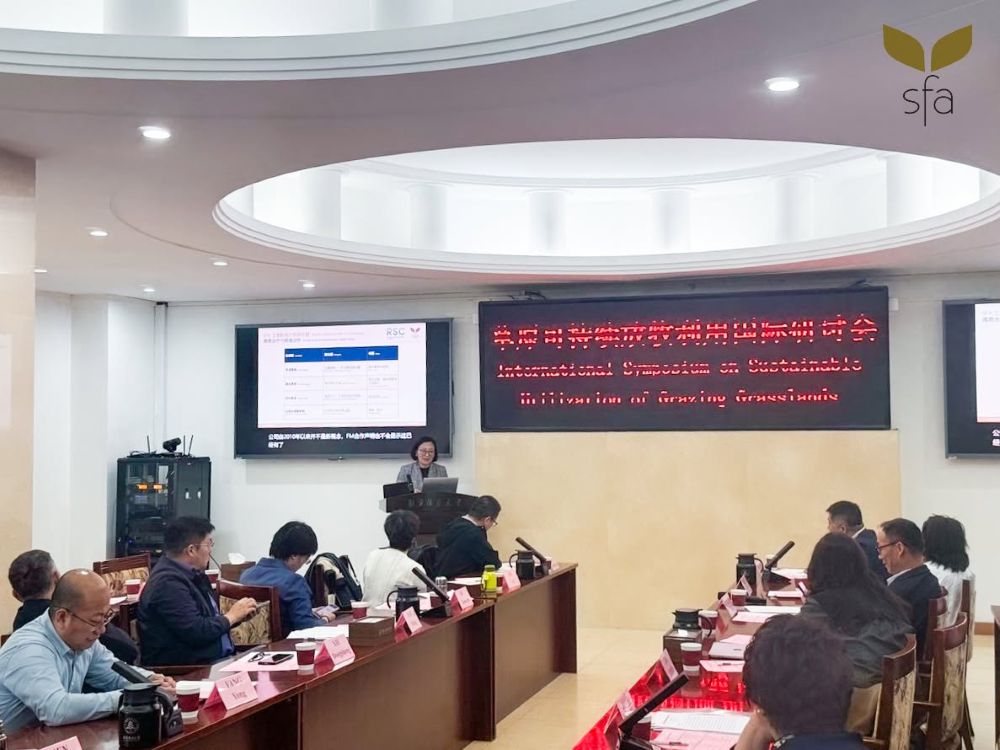
Participants also highlighted the importance of collaboration between public institutions, research organisations, industry and pastoral communities. Joining online from Mongolia, L. Choi-Ish, Director of the Department for Coordination of Livestock and Genetic Resources Policy Implementation at the Ministry of Food, Agriculture and Light Industry (MoFALI), expressed support for future cooperation in agriculture, livestock production and the export of rangeland-derived products.
D. Oyunbileg, Executive Director of the Export and International Trade Centre, and Dr B. Batkhishig, Project Leader of the Resilient Threads Project, discussed the importance of rangeland standards and opportunities to work with Chinese government agencies and research institutions.
The symposium brought together a broad range of stakeholders, including representatives from China’s Ministry of Agriculture and Rural Affairs, the Department of Forestry and Grassland of the Inner Mongolia Autonomous Region, authorities from Qinghai and Ordos, the Ordos Municipal Sustainable Development Bureau, FAO, WWF China, The Nature Conservancy (TNC), CAPIAC, academic institutions and the textile industry.
An important outcome was the agreement between the SFA and Beijing Forestry University to pursue joint projects in Mongolia and China focused on rangeland monitoring and research, alongside training and capacity-building for herders and farmers to support community-based rangeland management.
By connecting scientific research with local knowledge and practical implementation, this collaboration offers a foundation for strengthening rangeland stewardship across comparable pastoral landscapes.
Connecting Healthy Rangelands with Responsible Markets
The SFA’s October engagements in China demonstrate how progress towards a more sustainable fibre sector depends on collaboration at every level – from herders and cooperatives to processors, certification bodies, research institutions, governments and international buyers.
Stronger traceability and certification can help provide credible evidence of responsible production. Research and technology can improve understanding of rangeland health, livestock welfare and supply-chain performance. Long-term partnerships can help ensure that these approaches are accessible, relevant and responsive to the needs of those working on the ground.
Crucially, sustainability must recognise the contribution of herders and pastoral communities. Their knowledge, stewardship and day-to-day decisions are central to the health of rangelands and the quality of the fibres they produce. For lasting progress, the value created through responsible production must also be recognised throughout the supply chain.
By strengthening its presence in China, deepening relationships with certification partners and advancing cooperation on rangeland research, the SFA continues to connect local action with wider industry commitments.
Healthy rangelands. Responsible fibre. Resilient livelihoods. These shared priorities provide a foundation for continued collaboration between Mongolia and China and for a more sustainable future for the global animal fibre sector.

Tamir Bud
SFA COMMUNICATIONS OFFICER
30 October 2026