22 August 2026 | Gorkhi-Terelj National Park, Mongolia
Held as part of the Landscapes of Life, Mid-COP17 Field Trip & Conference
Where Global Conversations Met Local Leadership
As the world’s rangelands took centre stage during UNCCD COP17 in Ulaanbaatar, Mongolia, one gathering offered a powerful reminder that meaningful environmental change begins far from conference halls.
Landscapes of Life: A Nature-Positive Global Agenda to Protect, Manage and Restore Grasslands, Savannahs and Rangelands, the Mid-COP17 Field Trip and Conference, brought together approximately 200 representatives from more than 70 organisations from across the global grasslands, savannahs and rangelands community.
The Awards also came at a particularly significant moment, with 2026 marking both the UN International Year of Rangelands and Pastoralists and the International Year of the Woman Farmer. These two global observances recognise the vital role of pastoral communities and women in sustaining landscapes, livelihoods and resilient agrifood systems.

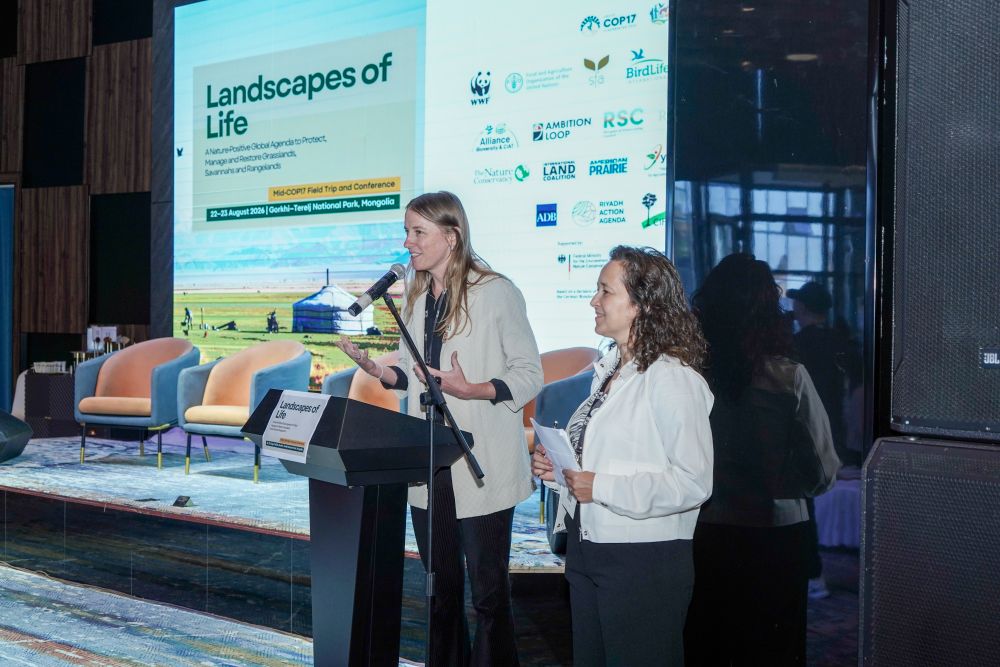
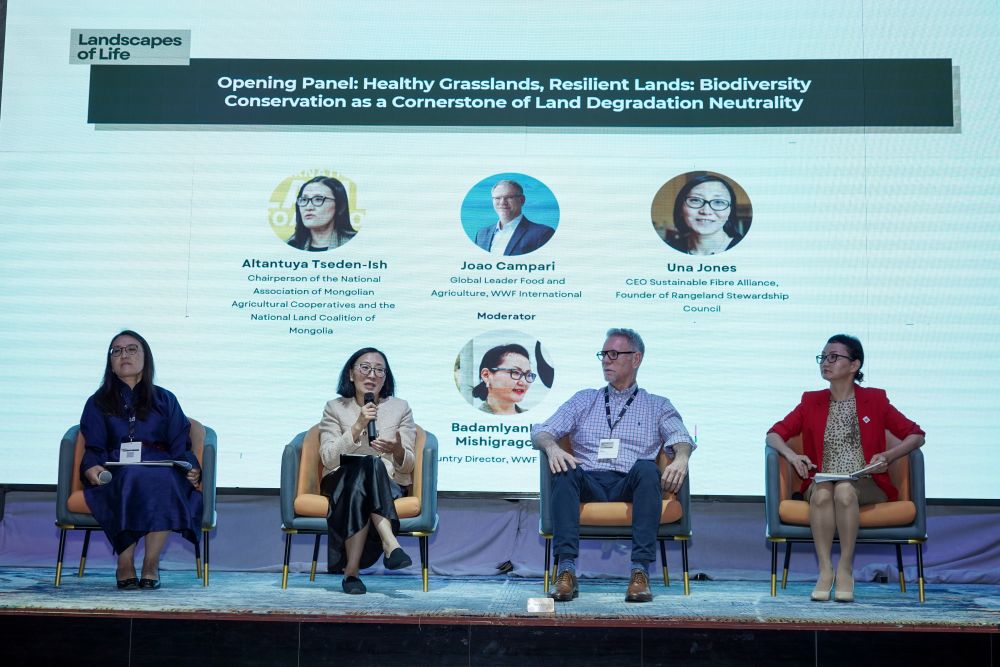
Co-organised by WWF, the Sustainable Fibre Alliance (SFA) and other key partners, the gathering brought together scientists, policymakers, pastoralists and local communities, conservation and development experts, private-sector representatives and financial institutions during the middle weekend of UNCCD COP17 in Mongolia.
Across the convening, participants explored how these vital landscapes can be protected, sustainably managed and restored while supporting the people and livelihoods that depend upon them. Discussions ultimately contributed to a shared action agenda calling for stronger local participation in decision-making, integrated landscape management, sustainable finance, better measures of rangeland health and more coordinated policy.
But among the many delegates travelling to Ulaanbaatar for UNCCD COP17 events, one journey began much earlier…
A SUITCASE, A DEEL & A LONG ROAD TO COP17
In the remote landscapes of Must Soum, Khovd Province, Altansukh T carefully folds his formal blue deel into a suitcase. The traditional garment is one he wears for life’s most important occasions, and this journey is unlike any other.
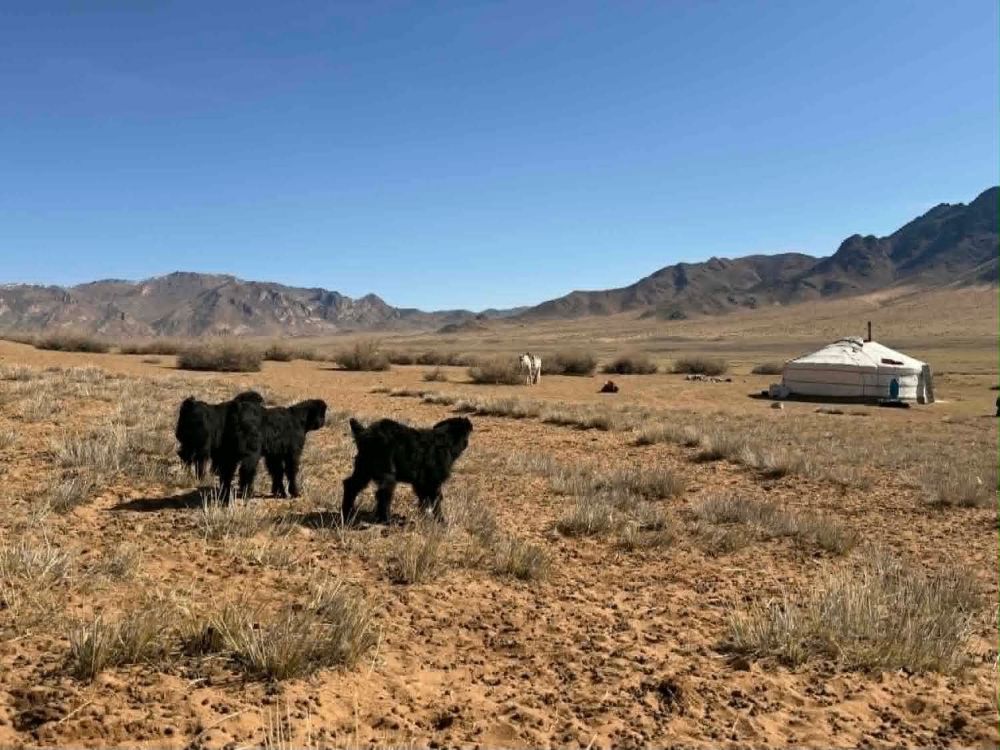
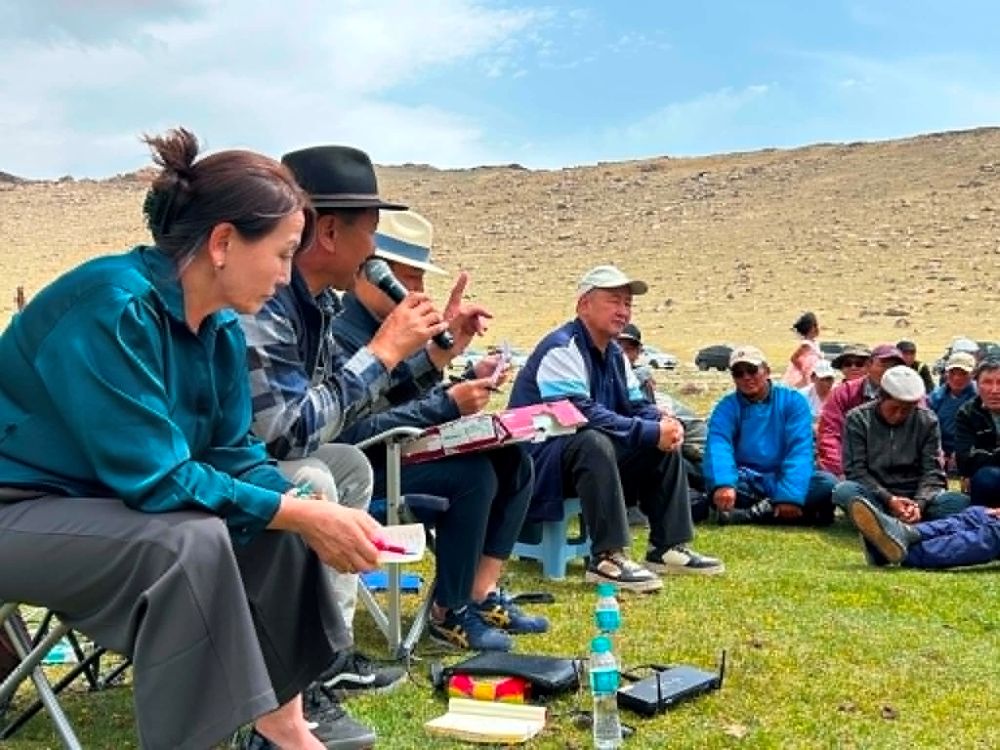
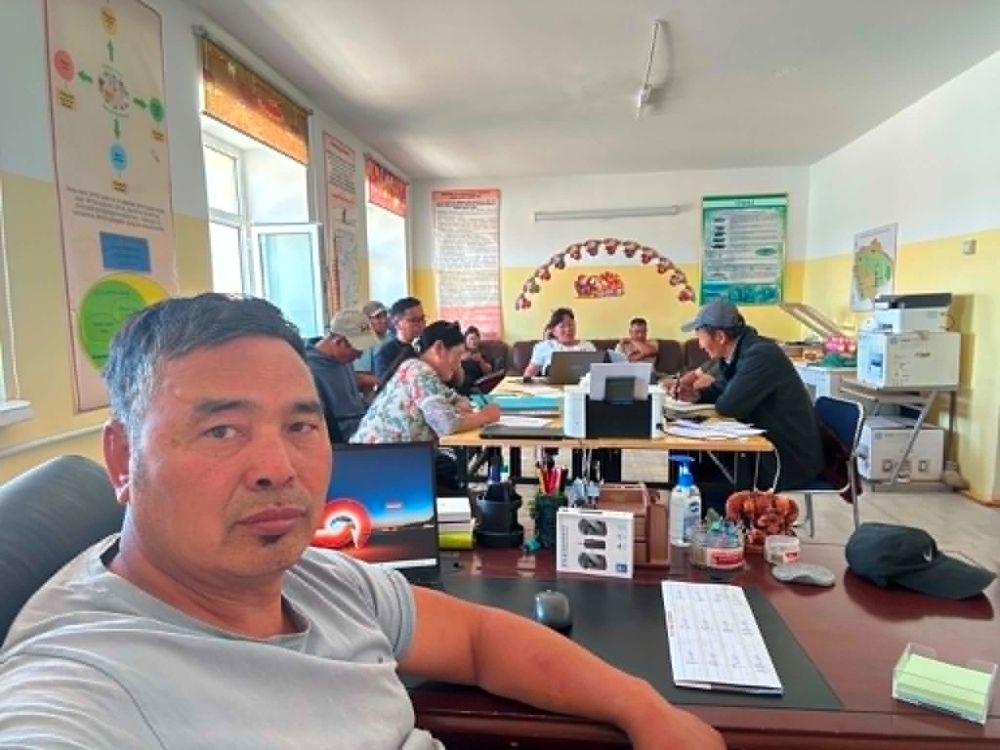
Before sunrise, he leaves his household herding camp behind. The first stage is a long drive across rough countryside tracks, passing grazing goats, sheep and horses before reaching the nearest airport. From there, a domestic flight carries him east across Mongolia towards the capital, where global leaders are gathering to discuss the future of the world’s land.
Altansukh is travelling not only as the head of Bayan-Tul Cooperative, but as a representative of Mongolia’s pastoral communities – a voice carrying the experience of herders into an international conversation.
More Than An Awards Ceremony
At the heart of those conversations was the SFA Herder Sustainability Awards 2026, celebrating the herders and cooperatives turning sustainable rangeland management into everyday practice across Mongolia.
The awards recognise excellence across four pillars of sustainable pastoralism, each supported by partners from the global fibre sector. Together, they reflect the interconnected foundations of healthy rangelands, responsible livestock production and resilient communities.
Hear From the 2026 Award Recipients
Meet some of the herders and cooperative leaders recognised through this year’s SFA Herder Sustainability Awards and hear, in their own words, about their work, achievements and experiences.
2026 Award Categories
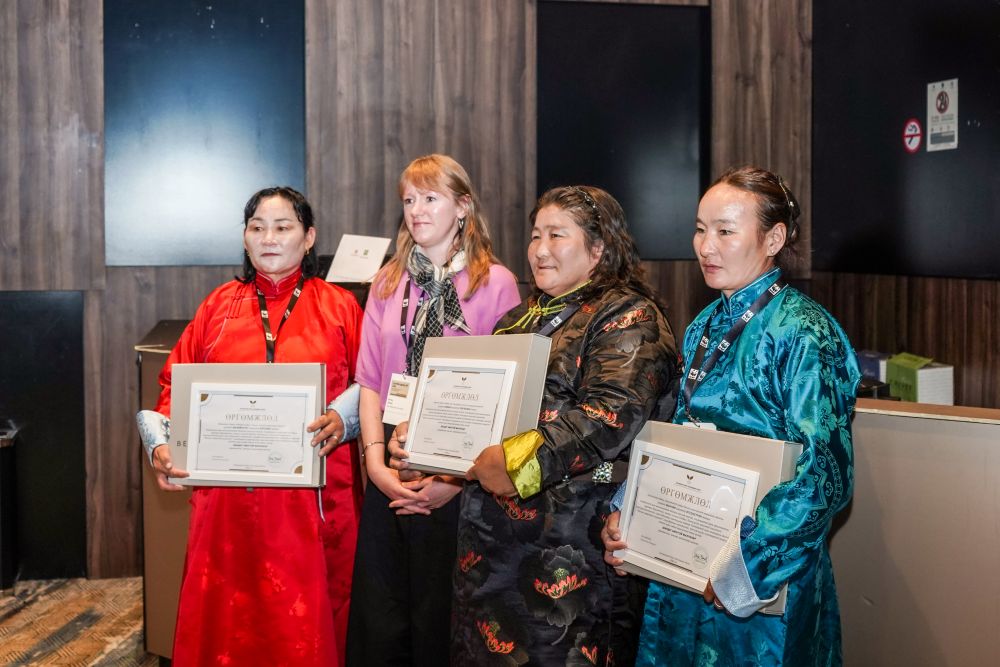
Supported by the Alex Begg Group
TOP THREE BEST WOMEN HERDERS
BATZAYA U, Nomgon Soum, Umnugobi Province, Mongolia
LHAGVAJAV B, Murun Soum, Khuvsgul Province, Mongolia
OTGONSUREN J, Shinejinst Soum, Bayankhongor Province, Mongolia
Celebrating resilience, knowledge and community leadership.
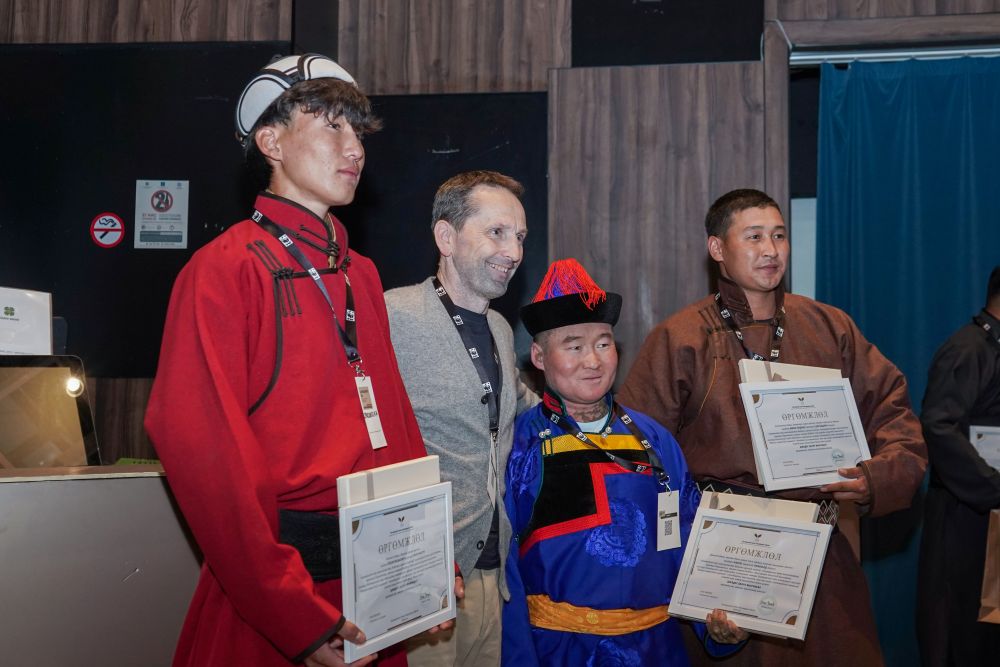
Supported by Johnstons of Elgin
TOP THREE BEST YOUNG HERDERS
TSOGBADRAKH M, Baatsagaan Soum, Bayankhongor Province, Mongolia
CHULUUNSUKH E, Khentii Province, Mongolia
ENKHBOLD A, Tsgaan-Ovoo Soum, Dornod Province, Mongolia
Recognising the next generation of pastoralists.
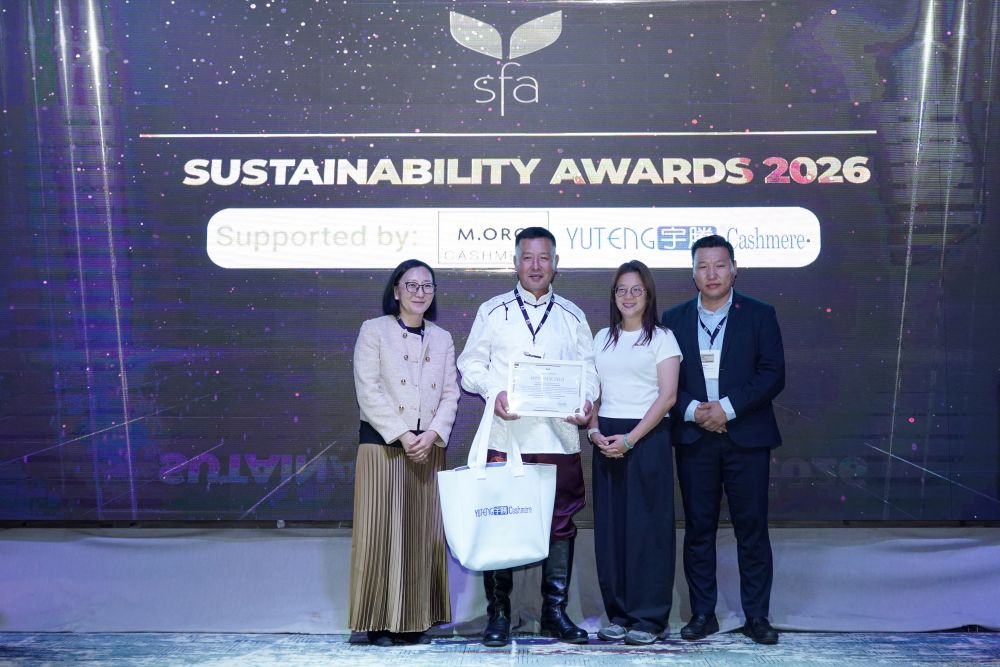
Supported by M.ORO & YuTeng Cashmere
BEST COOPERATIVE FOR ANIMAL WELFARE
MUNKH TORGON NOOLUUR COOPERATIVE, Sukhbaatar Soum, Sukhbaatar Province, Mongolia
Rewarding practical improvements in livestock care and fibre quality.
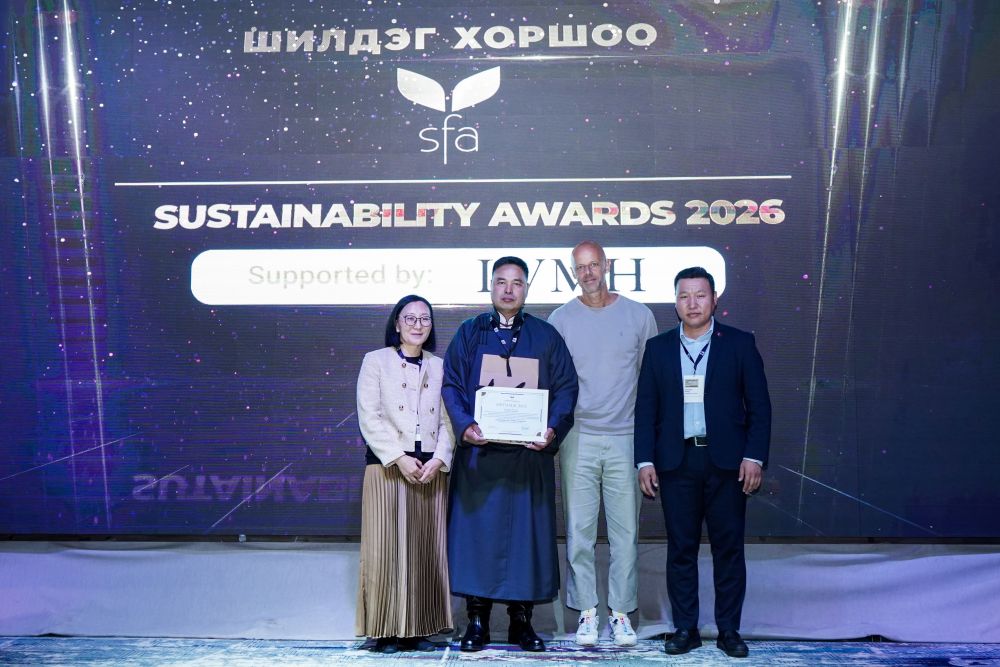
Supported by LVMH
BEST COOPERATIVE FOR LAND MANAGEMENT
BAYAN-TUL COOPERATIVE, Must Soum, Khovd Province, Mongolia
Honouring collective stewardship of Mongolia’s rangelands.
FROM THE STEPPE TO THE GLOBAL STAGE
The conference is about more than listening. During COP17, Altansukh takes his place on a panel alongside representatives and partners of the SFA and the Rangeland Stewardship Council (RSC), speaking on behalf of Mongolian herders. His perspective is not theoretical – it comes from years of managing pasture, preparing for dzud, working collectively with neighbouring households and balancing livestock production with wildlife conservation.
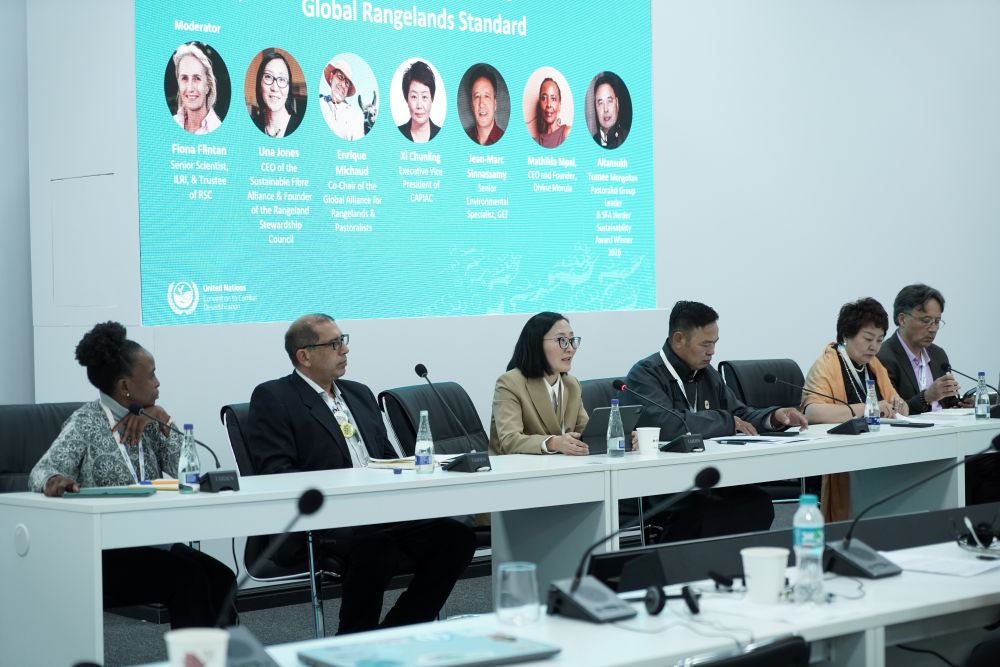
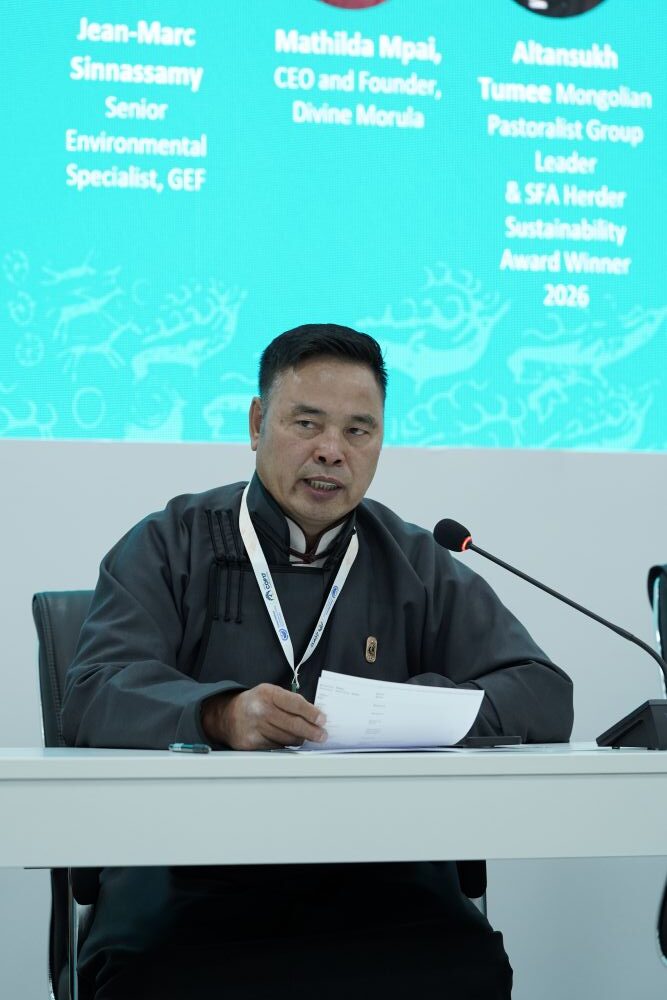
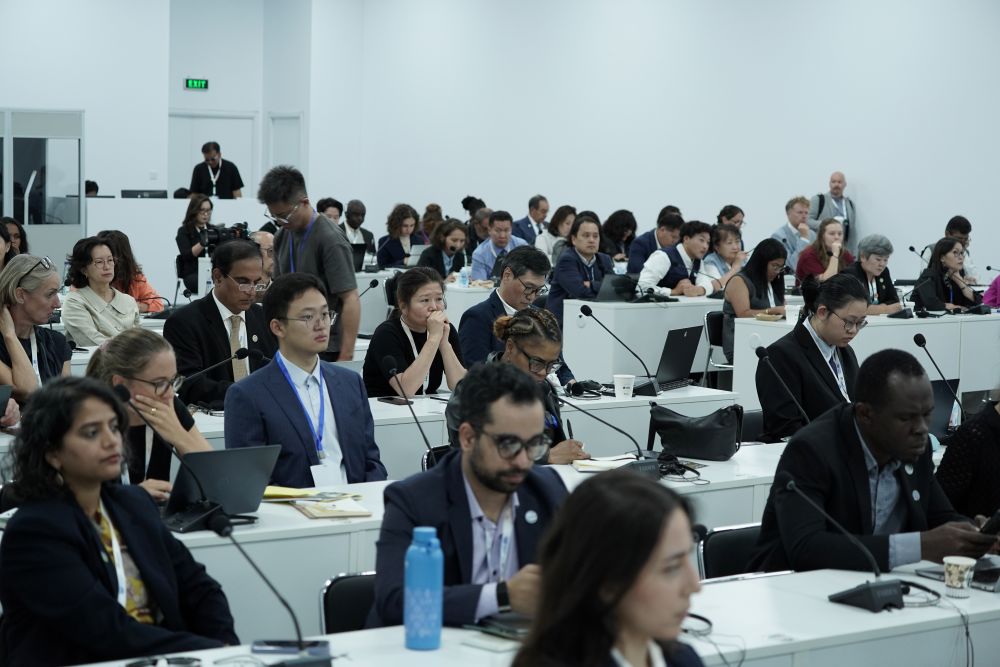
In a room filled with international delegates, the experiences of one cooperative from western Mongolia become part of a global discussion on land restoration and resilient pastoralism. It is precisely the kind of stronger local participation that the Landscapes of Life conference set out to champion.
The Women Preserving Generations of Knowledge
Women are central to Mongolia’s pastoral economy. From livestock care and fibre preparation to food production and community learning, their knowledge sustains households and strengthens cooperatives across the country.
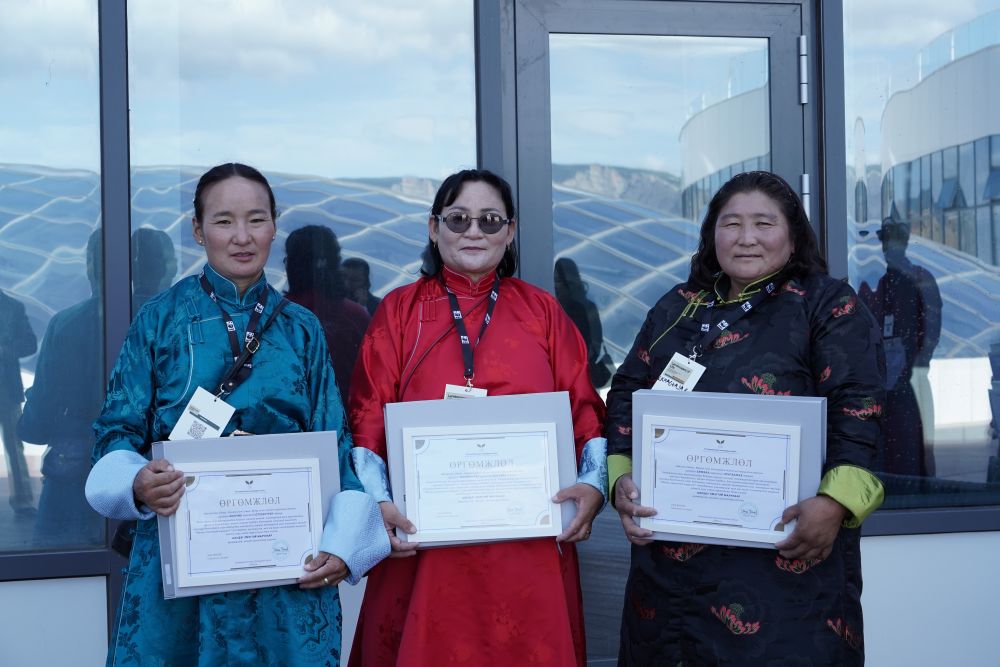
Supported by the Alex Begg Group, this year’s recipients each tell a different story of leadership:
Batzaya U preserved 36 years of traditional dairy knowledge while helping establish her cooperative. “I was honoured to receive the 2026 Best Woman Herder Award, and I am incredibly happy. I am deeply grateful to everyone who has supported me along the way.”
Lhagvajav B demonstrated extraordinary resilience, leading her family and livestock through increasingly challenging winters. But her support for her community went beyond her own household as she helped a young herder family establish themselves. “I also supported a young herder household by giving them a start-up herd, helping them build livestock pens and with haymaking to prepare feed for the winter.”
Otgonsuren J combined meticulous fibre preparation with active mentoring, ensuring responsible practices spread throughout her cooperative. “I am incredibly happy to receive the SFA Herder Sustainability Award and to be recognised as the 2026 Best Woman Herder of the Year.”
Their achievements remind us that sustainability is often built through patience, generosity and knowledge shared around the family table rather than the boardroom. And their recognition is also particularly timely during the International Year of the Woman Farmer 2026, which is shining a global spotlight on women’s essential, and often under-recognised, contributions across agrifood systems.
The Next Generation of Pastoralists Protecting the Future
The future of pastoralism depends upon young people believing that herding is not simply a tradition, but a meaningful future.
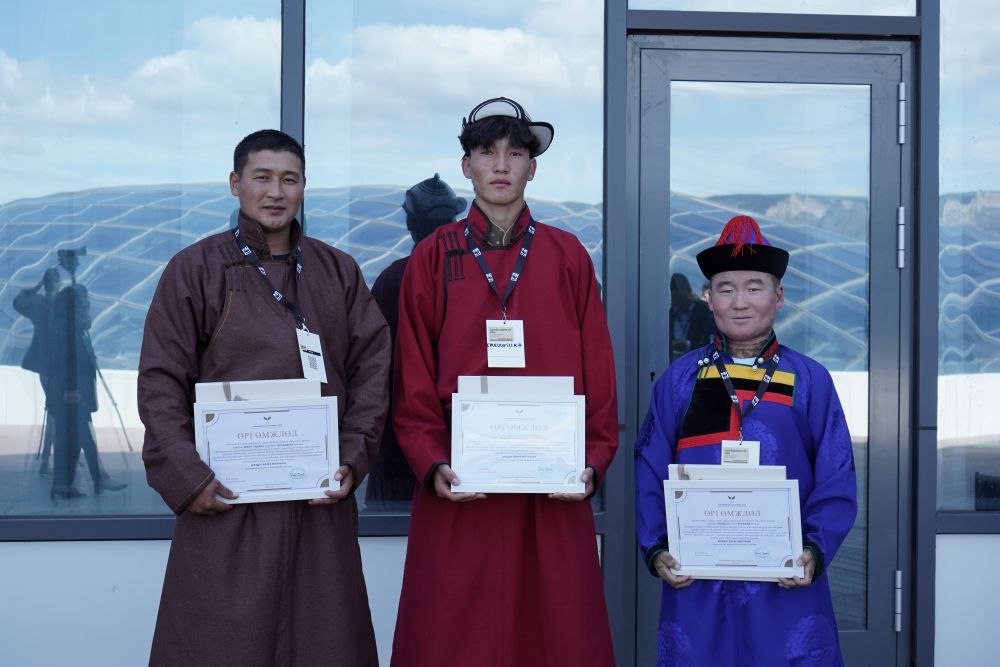
Supported by Johnstons of Elgin, the Top Three Best Young Herders celebrate three inspiring journeys:
Tsogbadrakh M improved water access and livestock shelter while using his construction skills to support neighbouring herders. “As our region is desert, our wells are often filled with sand, so I built a cover to protect the well and improve access to water. This award encourages me to work even harder and continue improving what I do.”
Chuluunsukh E, only 18 years old, chose full-time herding after taking the SFA × Johnstons of Elgin Young Herder elective programme at secondary school. “When I was in secondary school, I took an elective course through the Young Herder Programme. There, I learned how to build resilience to the social and economic changes affecting herding communities, while also carrying our nomadic heritage forward. That experience inspired me to become a herder myself.”
Enkhbold A returned to his home community after university, combining science-based learning with traditional pastoral knowledge and sharing that experience with fellow cooperative members. “I strive to combine traditional herding practices with science-based knowledge and new technologies. I believe this can improve the way we herd while also adding greater value to our products.”
Together they represent a generation proving that innovation and tradition can thrive side by side.
The Cooperative that Protected a Landscape
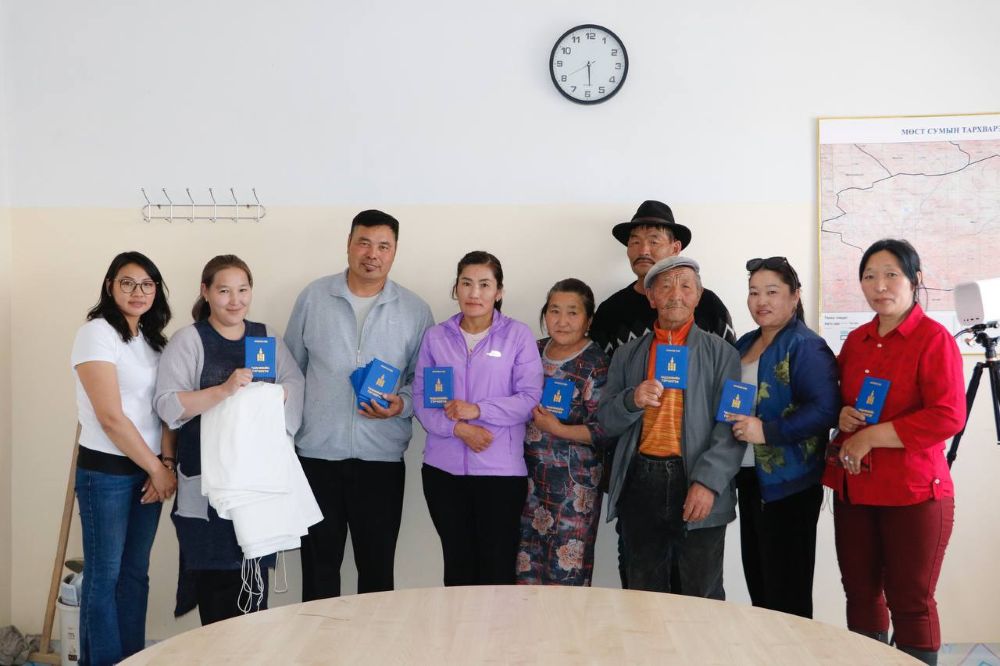
Healthy rangelands are the foundation of healthy livestock, biodiversity and resilient livelihoods. Few organisations demonstrate this better than Bayan-Tul Cooperative.
Supported by LVMH, the Best Cooperative for Land Management was awarded to Bayan-Tul Cooperative in recognition of its outstanding collective stewardship.
Established in 2011, Bayan-Tul now brings together 85 member households. Working closely with local government, members developed pasture management plans, established affordable hay and fodder reserves for dzud preparedness, and remarkably recorded no livestock losses from sudden natural events over the past five years.
Perhaps its greatest achievement has been securing protection for an ecological corridor in the Altai Valley, safeguarding habitat for argali, ibex and snow leopards from mining and other pressures.
“Another important achievement has been securing and protecting a wildlife corridor in the Altai Valley. We have been working on this since 2019, and it has finally been approved by the government for full protection. We have helped safeguard the area from mining and harmful activities.” – Altansukh T, Head of Bayan-Tul Cooperative
A WIN SHARED BY 85 HOUSEHOLDS
When Bayan-Tul Cooperative is announced as the winner during the 2026 Awards Ceremony, Altansukh walks onto the stage wearing the same deel he packed days earlier at his remote herding camp.
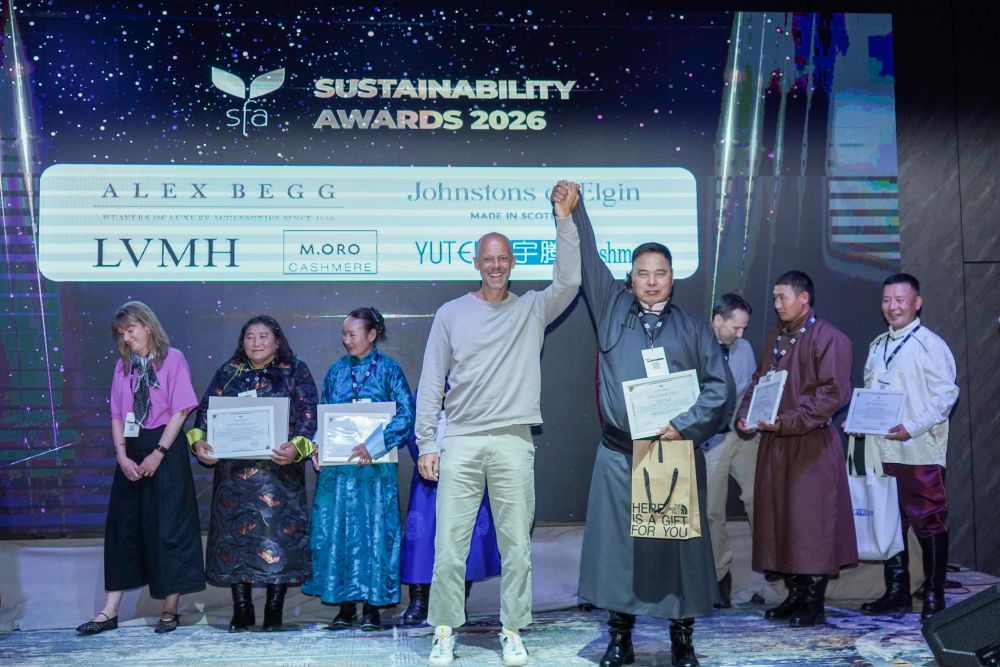
Receiving the award on behalf of every member household, he smiles with unmistakable pride – not only for himself, but for the collective effort of the cooperative and the landscapes they have protected together.
The applause celebrates far more than an award. It celebrates years of determined work carried out across one of Mongolia’s most spectacular landscapes.
Stronger Animals, Stronger Livelihoods
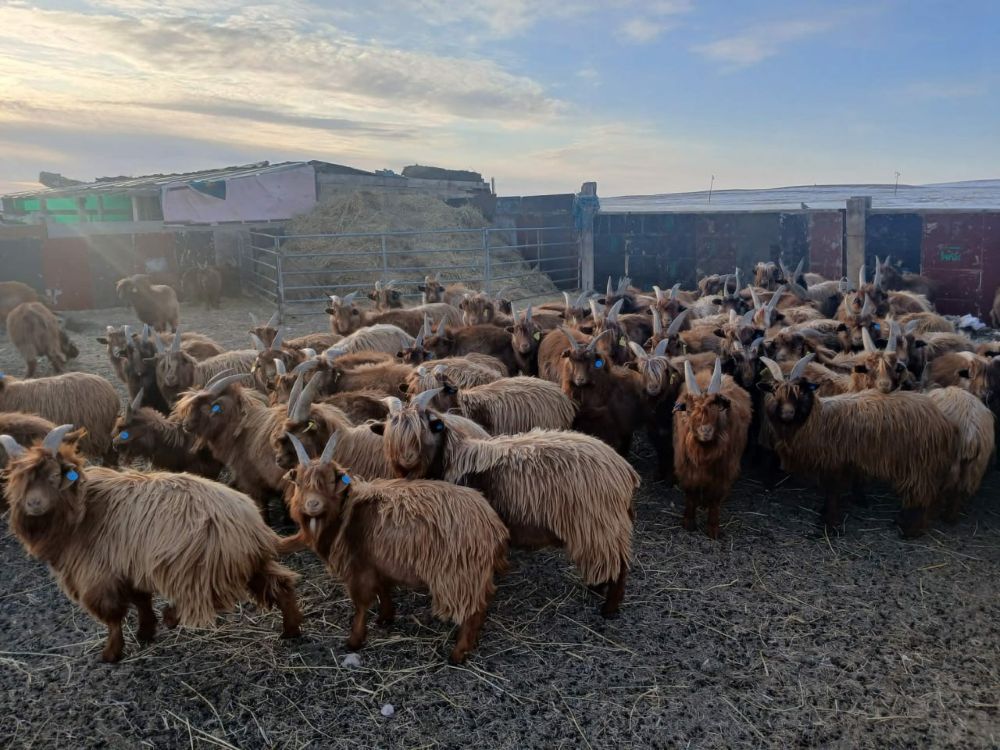
The Best Cooperative for Animal Welfare, supported jointly by M.ORO Cashmere and YuTeng Cashmere, recognised the remarkable progress of Munkh Torgon Nooluur Cooperative in Sukhbaatar Province.
Good animal welfare is fundamental to responsible livestock production, resilient herder livelihoods and the production of high-quality fibre.
Growing from 29 founding members to 145 households within a year, the cooperative embedded SFA Standards across every member while investing in selective breeding, fibre-quality improvements, reusable fabric bags and safer livestock enclosures before winter. Their story demonstrates how cooperative organisation can transform both animal welfare and responsible production.
“Being recognised as the Best Cooperative [for Animal Welfare] is very encouraging, so I am very happy and proud of what we have achieved together.” – Bayarmagnai D, Head of Munkh Torgon Nooluur Cooperative
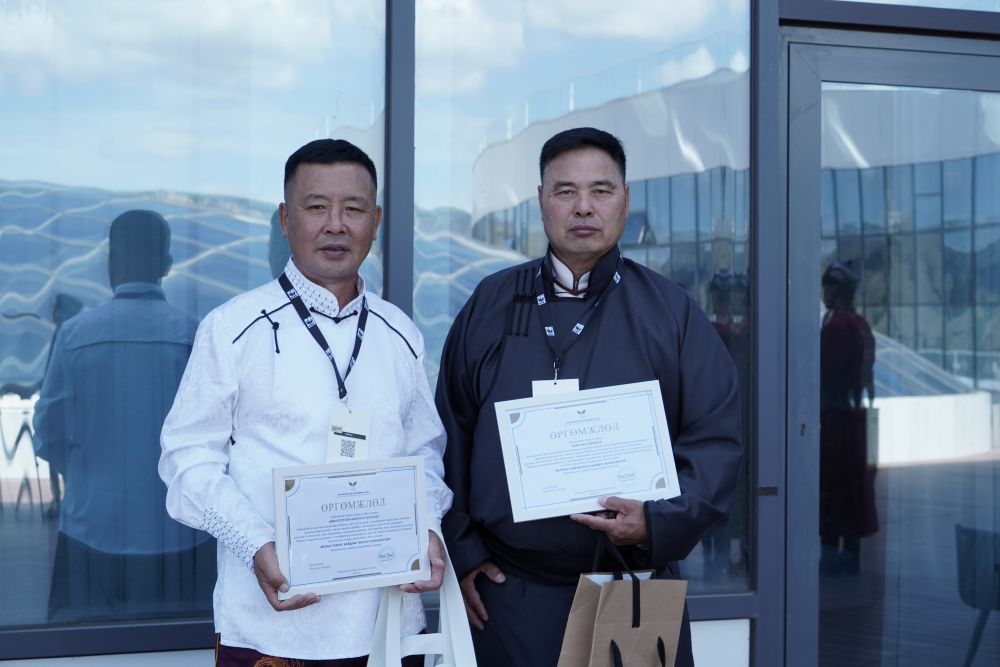
BEFORE RETURNING HOME
The conference may be over, but Altansukh’s journey is not.
He stays in Ulaanbaatar for a few more days, attending meetings and running errands for his cooperative before making the long journey back to Khovd. Somewhere between business appointments, he finds time for one final task: choosing a few small presents for his grandchildren.
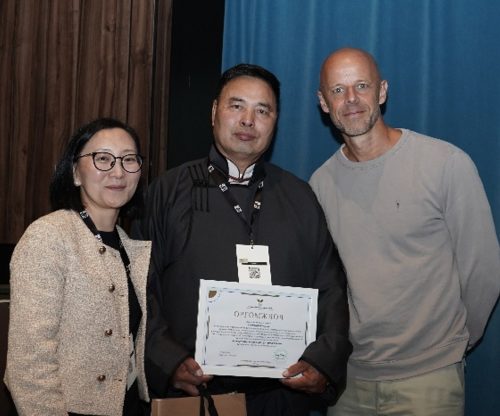
Soon, the suitcase will hold more than a ceremonial deel. It will carry memories of international conversations, the pride of an award won together with 85 cooperative families, and new ideas to bring back to the rangelands of western Mongolia. Until next time, Mr Altansukh Tumee.
Global Commitments. Local Leadership.
The SFA Herder Sustainability Awards 2026 celebrated more than individual achievement. Together, the award-winning herders and cooperatives demonstrate that sustainable cashmere is inseparable from healthy rangelands, animal welfare, biodiversity, resilient livelihoods and the preservation of traditional pastoral knowledge.
As COP17 looked toward global solutions for land restoration, Mongolia’s pastoral communities offered something invaluable: a powerful reminder that meaningful change begins on the ground, one household, one cooperative and one landscape at a time.
With Thanks to our 2026 Award Supporters
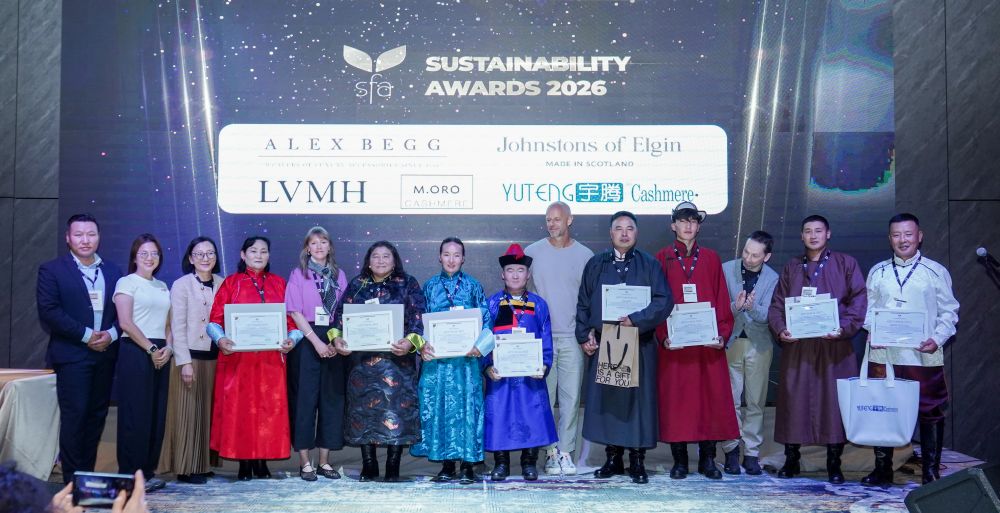
The SFA Herder Sustainability Awards are made possible through the support of organisations across the SFA’s Member network, helping bring the achievements of Mongolia’s herders and cooperatives to a global audience.
From Recognition to Action
The stories celebrated through the SFA Herder Sustainability Awards demonstrate what responsible rangeland stewardship can look like in practice. Through our work with herder communities, Members and partners, the SFA is helping strengthen rangeland health, animal welfare and resilient livelihoods across the cashmere value chain.

Tamir Bud
SFA COMMUNICATIONS OFFICER
1 October 2026