The Sustainable Fibre Alliance (SFA) has launched the next phase in the ongoing development of our Standards System, with several important reviews now underway that will help shape the future of responsible animal fibre production.
As sustainability expectations continue to evolve across global supply chains, regular review of the SFA Standards System ensures that our requirements remain practical, credible and aligned with international best practice, while continuing to support producers, processors, brands and retailers in delivering positive outcomes for people, animals and the environment.
Throughout 2026, the SFA is undertaking reviews across several key areas of its Standards System, including the SFA Assurance & Certification Manual (ACM), the SFA Clean Fibre Processing Standard (CFPS), and the continued development of multi-species certification through the SFA Animal Fibre Standard (AFS).
Each review is being delivered through the SFA’s transparent, multi-stakeholder standards development process, with consultation playing a central role in ensuring that a wide range of perspectives help shape the future direction of the Standards System.
A Commitment to Continuous Improvement
The SFA Standards System has evolved significantly over the past decade since the organisation was established, growing from its original Codes of Practice into a comprehensive suite of internationally recognised standards covering cashmere production, primary processing, chain of custody and assurance.
Maintaining the credibility of this system requires continual review and improvement. Through regular stakeholder consultation, the SFA seeks to ensure its standards remain fit for purpose, reflect emerging sustainability priorities and continue to support responsible production across increasingly complex global supply chains.
As an organisation committed to internationally recognised good practice, the SFA aligns our standards development process with the ISEAL Code of Good Practice for Sustainability Systems. The code recognises that sustainability standards should be reviewed on a regular cycle to ensure they remain relevant, credible and responsive to changing environmental, social and market expectations. These reviews form part of the SFA’s ongoing commitment to maintaining a robust and trusted Standards System.
Our approach is founded in inclusivity and collaboration. We encourage participation from producers, processors, brands, Conformity Assessment Bodies (CABs), civil society organisations, researchers and all other interested stakeholders to help strengthen the future of the Standards System.
Review of the Assurance & Certification Manual
The SFA has now commenced a comprehensive review of our Assurance & Certification Manual (ACM).
The ACM defines the rules that SFA-approved Conformity Assessment Bodies (CABs) must follow when delivering assurance and certification services across the SFA Standards System. By providing a clear and consistent framework for certification, the ACM helps ensure that claims relating to SFA-Certified fibre remain robust, transparent and trusted throughout the supply chain.
The current version of the ACM was updated during the review of the SFA Animal Fibre Standard, which concluded in 2025. Since then, the publication of Derogation D1 in January 2026 has temporarily modified several certification requirements while allowing the updated Animal Fibre Standard to be implemented in practice.

This review will evaluate whether those temporary measures should become permanent, identify opportunities to improve existing certification requirements, and consider any additional changes required as other standards within the SFA system continue to evolve.
To support this process, we have published a Statement of Intent, outlining the scope of the review, the proposed development process and the key areas under consideration.
Stakeholders are invited to provide feedback on the Statement of Intent through the SFA Open Consultation Portal until 24 July 2026.
Following this initial consultation, a draft revised Assurance & Certification Manual will be developed and released for a 60-day public consultation later in 2026. Particular emphasis will be placed on engaging Conformity Assessment Bodies (CABs) to ensure that any revised requirements remain practical, effective and credible in real-world implementation. The SFA will also continue working to overcome language barriers and encourage participation from stakeholders who have traditionally been underrepresented within standards development.
Review of the Clean Fibre Processing Standard
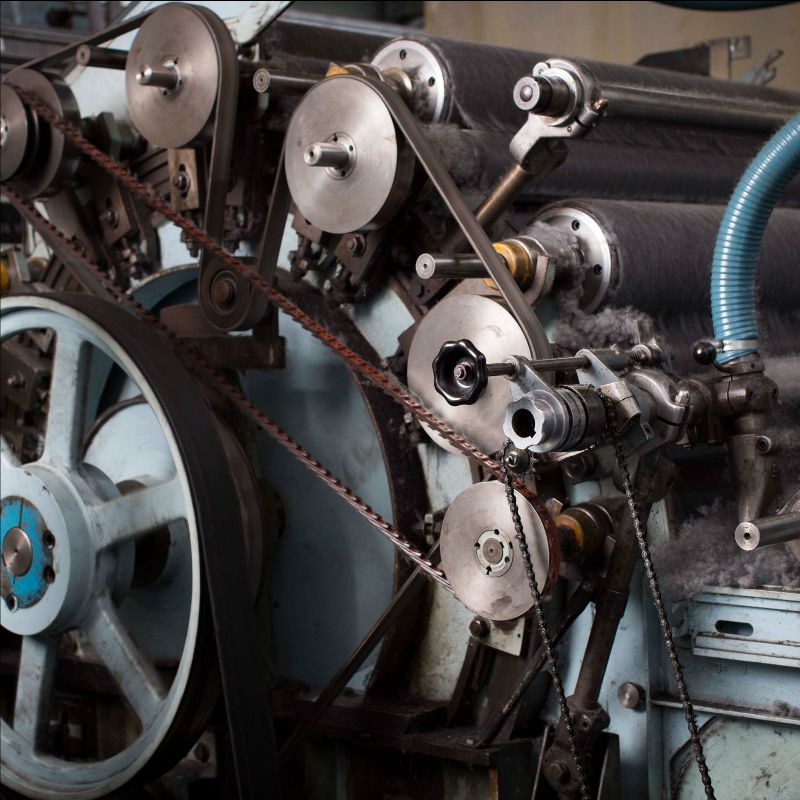
Alongside the Assurance & Certification Manual review, the SFA is continuing the scheduled review of our Clean Fibre Processing Standard (CFPS).
Originally published in 2019 and reviewed in 2021, the CFPS establishes environmental, social and operational requirements for initial industrial processing of cashmere fibre, helping minimise environmental impacts while promoting responsible workplace practices.
As industry expectations continue to evolve, the current review aims to strengthen the standard while ensuring it remains practical and accessible for organisations of different sizes and levels of complexity.
Several key areas are being explored throughout the review, including:
- Expanding the standard to include selected additional animal fibre species.
- Extending certification to cover additional secondary processing activities.
- Introducing enhanced due diligence and internal audit requirements to strengthen governance and management systems.
- Continuing to improve environmental performance across processing facilities.
- Ensuring that new requirements remain proportionate and inclusive, allowing organisations at different stages of maturity to participate within the SFA Standards System.
An updated Statement of Intent has now been published, with stakeholders invited to submit comments as part of the current consultation process.
The SFA is also inviting experts and stakeholders to participate in dedicated working groups, providing opportunities for early collaboration during the development of the revised standard. Please contact standards@sustainablefibre.org if interested in participating in these working groups.
Expanding Towards Multi-Species Certification
The SFA is also progressing work to expand the scope of its Standards System beyond cashmere.
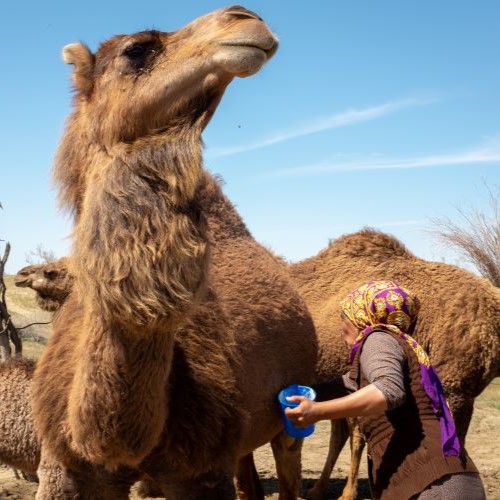
Following research and stakeholder engagement undertaken over recent years, development is now underway to incorporate selected camelid species and yak into relevant SFA Standards, beginning with the Animal Fibre Standard (AFS).
Many pastoral communities manage mixed-species herds, yet existing certification systems have historically focused on individual fibre types. Expanding the SFA Standards System will enable producers managing these systems to access certification across a broader range of fibres while maintaining consistent expectations for responsible production.
The work builds upon the original Statement of Intent published in 2025 and represents an important step towards creating a more inclusive Standards System capable of supporting responsible animal fibre production across diverse pastoral landscapes.
The first phase of this work, expanding the SFA Animal Fibre Standard, is expected to conclude by the end of 2027.
Help Shape the Future of the SFA Standards System
The strength of the SFA Standards System depends upon meaningful collaboration.
By participating in consultation, joining working groups and sharing practical experience, stakeholders play an important role in ensuring that our standards remain credible, practical and capable of delivering positive outcomes across global supply chains.
We welcome feedback from all interested stakeholders throughout these review processes and encourage participation regardless of organisation size, geographic location or previous involvement with the SFA programme.
Together, we can continue building a Standards System that supports responsible animal fibre production, resilient livelihoods and healthy rangelands for generations to come.
Current Opportunities to Get Involved
- Read the Assurance & Certification Manual (ACM) Statement of Intent
- Read the Clean Fibre Processing Standard (CFPS) Statement of Intent
- Submit your feedback through the SFA Open Consultation Portal
- Express your interest in joining the SFA Standards Working Group
- Contact the SFA Standards Team via standards@sustainablefibre.org

Katy Edwards
SFA MARKETING & COMMUNICATIONS MANAGER
2 July 2026